Park guide
Great Smoky Mountainswhen to catch its peaks
When should I visit Great Smoky Mountains to catch its natural highlights?
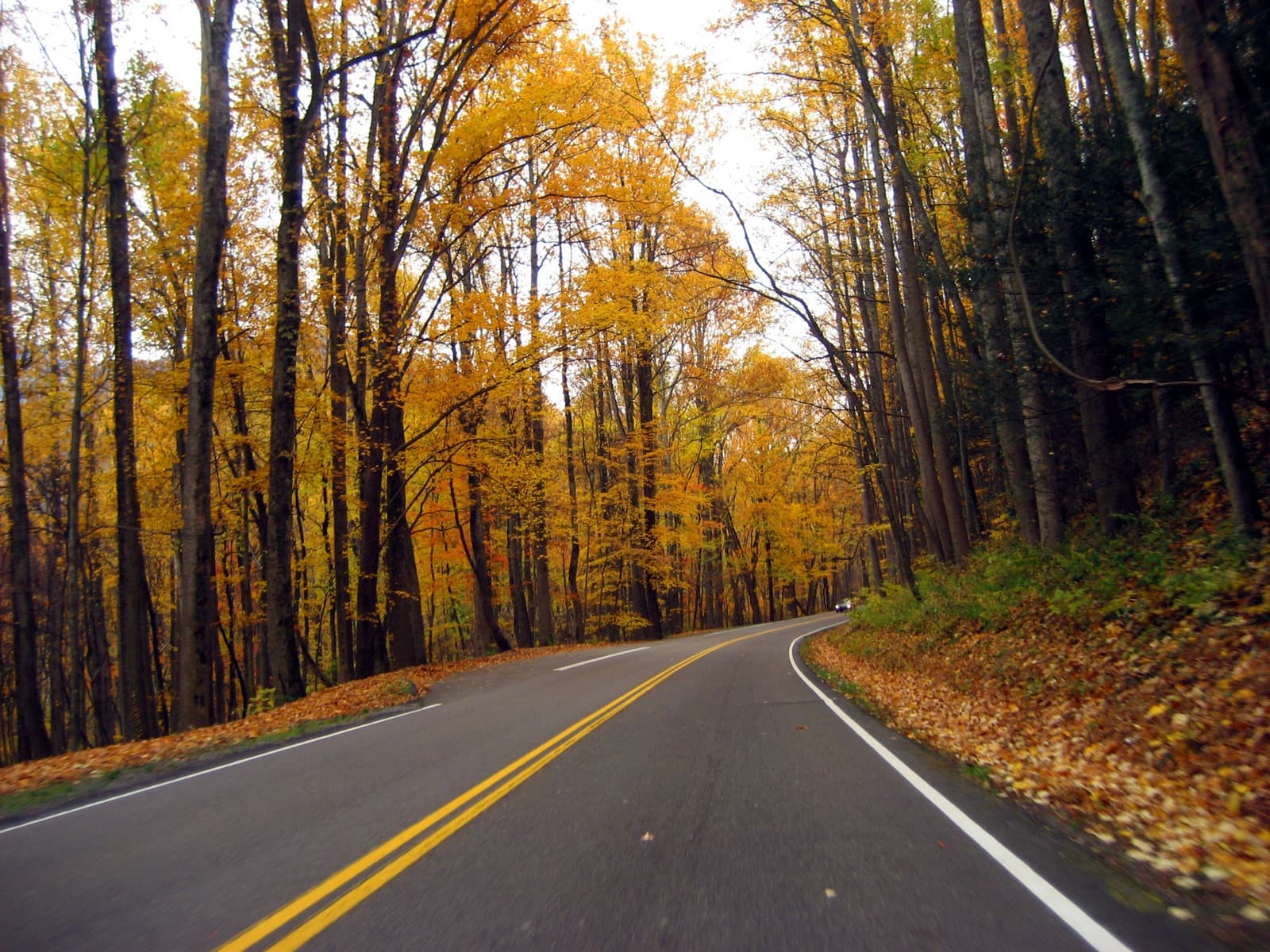
In the Smokies, spring wildflowers usually peak in mid- to late April at lower elevations, the azaleas on Gregory Bald in late June or early July, and fall color below 4,000 feet is most brilliant between mid-October and early November.
Checked Sep 29. Sources: National Park Service, Great Smoky Mountains wildflowers ↗ (opens in a new tab), National Park Service, Great Smoky Mountains fall color ↗ (opens in a new tab) National Park Service sources: no claim to original U.S. Government works.
The peaks through the year
- Spring wildflowers
mid- to late April
Lower elevations; a few weeks later on the highest peaks
“The peak of spring wildflower blooming usually occurs in mid- to late-April at lower elevations in the park, and a few weeks later on the highest peaks.”
- Azaleas on the balds
late June or early July
Gregory Bald (late June or early July) and Andrews Bald (usually early July)
“On Gregory Bald the colorful display peaks in late June or early July. On Andrews Bald the peak is usually in early July.”
- Fall color
between mid-October and early November
Lower and mid elevations, below 4,000 feet; the timing varies from year to year
“While the timing of peak color varies from year to year, it’s common for the most brilliant displays at lower and mid elevations, below 4,000 feet, to occur between mid-October and early November.”
On one calendar
- Spring wildflowersUsual peak: mid- to late April
- Azaleas on the baldsUsual peak: late June or early July
- Fall colorBest viewing: between mid-October and early November
- Synchronous firefliesSeason: late May or early June
Solid: a usual peak, the best viewing time or when animals are most numerous. Hatched: a broader season, never a peak.
Choose what you want to catch
- WildflowersSee the guide →
Usual peak: mid- to late April, 9 best spots
- Fall foliageSee the guide →
Usual peak: early to mid-October above 4,000 feet; mid-October and early November below, 4 best spots
- Synchronous firefliesSee the guide →
Season: late May or early June, 2 best spots
Where to see it
Before you go
Park alerts
NPS lists these 4 notices for Great Smoky Mountains. The park spans North Carolina and Tennessee; each notice shows the state it's about when NPS says where. Read each notice for the affected area and dates.
- Location not statedPark Closure: Roadwork on the Gatlinburg Spur to affect traffic
- TennesseePark Closure: Abrams Falls Trail Closed
- Location not statedPark Closure: Park Headquarters Road is closed
- Location not statedPark Closure: Straight Fork and the one-way section of Balsam Mountain Road closed.
Checked Tue, Sep 29, 1:28 PM EDT, source: National Park Service. No claim to original U.S. Government works.
- Parking: A parking tag is required for any vehicle parked longer than 15 minutes; tags come daily, weekly or annual. It is not an entrance fee. Official page ↗
Make more of the visit
- Hike to Andrews Bald3.6 miles round trip down through spruce-fir forest to a grassy bald known for its summer azaleas; the climb back is fairly strenuous.Official page ↗
- Hike Porters Creek TrailGo as far as you like; about 4 miles round trip reaches Fern Branch Falls.About 1–3 hoursOfficial page ↗
- Sugarlands Visitor CenterNear Gatlinburg, the start of the park's North District, with natural history exhibits and seasonal ranger programs.Official page ↗
Other peaks nearby and other seasons
Great Smoky Mountains in pictures
Questions people ask
When do spring wildflowers peak in the Smokies?
Usually in mid- to late April at lower elevations, and a few weeks later on the highest peaks.Source: National Park Service, Great Smoky Mountains wildflowers ↗ (opens in a new tab)
When do the azaleas on the balds peak?
On Gregory Bald in late June or early July; on Andrews Bald usually in early July.Source: National Park Service, Great Smoky Mountains wildflowers ↗ (opens in a new tab)
When is fall color at its best?
Below 4,000 feet the most brilliant displays usually come between mid-October and early November, though the timing varies from year to year.Source: National Park Service, Great Smoky Mountains fall color ↗ (opens in a new tab)
Do I need to pay to park?
Yes: a parking tag for any vehicle parked longer than 15 minutes, daily, weekly or annual. The tag itself is not an entrance fee.Source: National Park Service, Great Smoky Mountains fees and parking tags ↗ (opens in a new tab)
How we know
- Sep 26Park ServiceSpring wildflowers usually peak mid- to late April at low elevations, a few weeks later on the highest peaksSource (opens National Park Service, Great Smoky Mountains wildflowers in a new tab)
- Sep 26Park ServiceFall color above 4,000 ft early to mid-October, below 4,000 ft mid-October to early November; scenic autumn drivesSource (opens National Park Service, Great Smoky Mountains fall color in a new tab)
- Sep 27Park Service2026 viewing nights: May 20–27; 120 vehicle reservations a night by lotterySource (opens National Park Service, Great Smoky Mountains firefly viewing dates, 2026 news release in a new tab)
- Sep 29Park ServiceParking tags are required for vehicles parked longer than 15 minutes; the tag is not an entrance feeSource (opens National Park Service, Great Smoky Mountains fees and parking tags in a new tab)
- National Park Service sources: no claim to original U.S. Government works.
Show all 6
- Sep 29Park ServiceNational Park Service records for Great Smoky Mountains, saved by our GitHub job (research/nps-enrich/grsm/thingstodo.json)Source (opens NPS API, Great Smoky Mountains things to do in a new tab)
- Sep 29Park ServiceNational Park Service records for Great Smoky Mountains, saved by our GitHub job (research/nps-enrich/grsm/visitorcenters.json)Source (opens NPS API, Great Smoky Mountains visitor centers in a new tab)
- National Park Service sources: no claim to original U.S. Government works.