Pee Dee Refugespring migration
In March, April and May, neotropical songbirds return from the West Indies and Central and South America to breed and nest in the refuge's forested wetlands, per the Fish and Wildlife Service. Its usual window for this year has passed.
Right now at Pee Dee Refuge
Right now in Pee Dee Refuge · September
- Autumn season: red maple and sweetgum color · Sep–Nov
- Ducks and geese start arriving from the north · Sep–Nov
- Hunting allowed by permit, September through February · Sep–Feb
- Goldenrods and asters feed pollinators before frost (September to November) · Sep–Nov
Next 7 days at Pee Dee Refuge
- TodaySunny88° / 60°–
- ThuSunny89° / 64°–
- FriSunny91° / 68°15% rain
- SatShowers And Thunderstorms Likely85° / 66°56% rain
- SunShowers And Thunderstorms Likely78° / 61°58% rain
- MonChance Rain Showers72° / 51°53% rain
Today: sunrise 7:15 a.m., sunset 7:07 p.m., light until 7:33 p.m. · moon waning gibbous, 78% lit (our calculation)
Your guide to the area
Where to watch
- Wildlife DriveA 3-mile paved drive from the main entrance on Highway 52 North, through upland old fields, the Brown Creek bottomlands, the Sullivan moist-soil impoundment and an upland pine forest, with two hiking trails, an observation blind and a fishing pier at Sullivan Pond
- Arrowhead LakeNamed by the refuge as a good place to photograph songbirds and waterfowl, as is G.T.R. Road
Nearby
- Prime Hook Refuge373 miMarchSatPartly Sunny then Slight Chance Rain Showers
- Wheeler Refuge391 miApril: Teal migration is at its peak.SatShowers And Thunderstorms
- St. Marks Refuge413 miearly in the month (April)SatChance Showers And Thunderstorms
- Ottawa Refuge483 milate April to mid-MaySatSlight Chance Rain Showers
- Montezuma Refuge575 mimid-MaySatMostly Sunny
- Mingo Refuge577 miApril and May are the best months
The year at Pee Dee Refuge
- Spring green-up and first flowersMar–May
- Shorebirds replace waterfowl in the drained moist-soil unitsMar–May
- Neotropical songbirds return to breed and nest in the forested wetlands (March to May)Mar–May
- Songbird chicks raised and fledgedJun–Aug
- Bald eagles, ospreys, barred and great horned owls and great blue herons abound; turtles sun on banks and logs (June to August)Jun–Aug
- Summer blooms: pickerelweed and arrowhead in wetlands, winged sumac and devil's walking stick along roadsides (June to August)Jun–Aug
- Autumn season: red maple and sweetgum colorNowSep–Nov
- Ducks and geese start arriving from the northNowSep–Nov
- Goldenrods and asters feed pollinators before frost (September to November)NowSep–Nov
- Hunting allowed by permit, September through FebruaryNowSep–Feb
- Winter waterfowlDec–Feb
- Barred owls, great horned owls and great blue herons among the cold-weather sightsDec–Feb
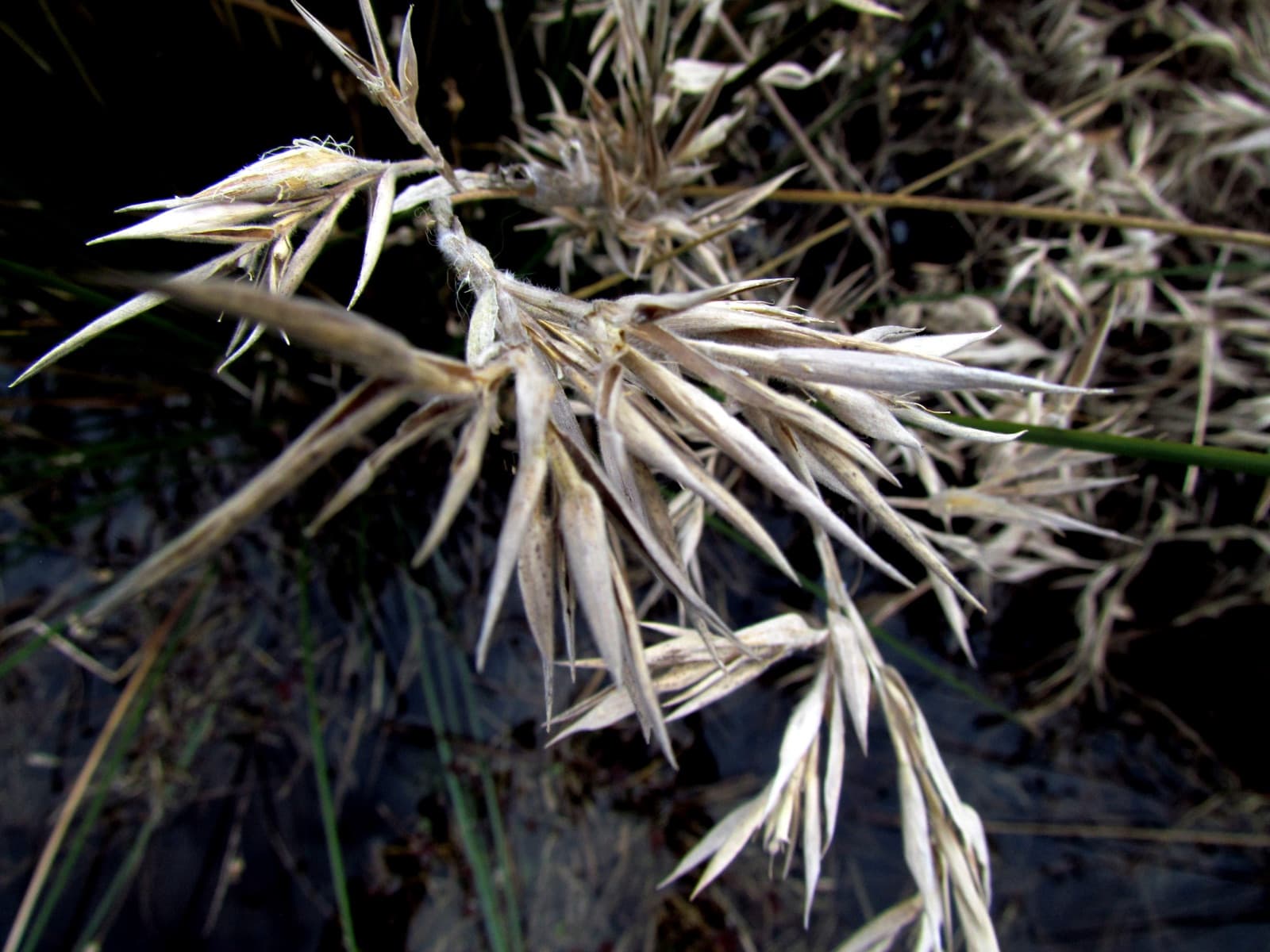
Pee Dee Refuge in pictures
Questions people ask
When is the best time to see spring migration at Pee Dee National Wildlife Refuge?
In March, April and May, neotropical songbirds return from the West Indies and Central and South America to breed and nest in the refuge's forested wetlands, per the Fish and Wildlife Service: March, April, and May. That's general timing for this place, not a peak date or a forecast.
Is spring migration under way at Pee Dee National Wildlife Refuge right now?
Not now: its usual spring migration window for this year has passed. Next time: March, April, and May, local timing.
Where can I photograph birds from cover?
The Gaddy Covered Bridge and the Sullivan observation blind both have benches and concealment for photographers.Source: U.S. Fish and Wildlife Service, Pee Dee NWR: Photography ↗ (opens in a new tab)
Where can I get a refuge map?
At the kiosk on Griffin Road, which has maps, information, and hunting and fishing permits in season. Grassy Island Road, three miles north of the refuge office, crosses the heart of the refuge and is a North Carolina Scenic Byway.Source: U.S. Fish and Wildlife Service, Pee Dee NWR: Auto Tour ↗ (opens in a new tab)
Can I bring my dog?
Yes, on a leash or under your full control at all times. Feeding wildlife and swimming in refuge waters aren't allowed.Source: U.S. Fish and Wildlife Service, Pee Dee NWR visit ↗ (opens in a new tab)
Can I fish in spring?
Yes. In spring the refuge is open for fishing, wildlife watching and photography.Source: U.S. Fish and Wildlife Service, Pee Dee NWR seasons of wildlife ↗ (opens in a new tab)
Where are the best spots in Pee Dee National Wildlife Refuge?
Wildlife Drive: a 3-mile paved drive from the main entrance on Highway 52 North, through upland old fields, the Brown Creek bottomlands, the Sullivan moist-soil impoundment and an upland pine forest, with two hiking trails, an observation blind and a fishing pier at Sullivan Pond; Arrowhead Lake: named by the refuge as a good place to photograph songbirds and waterfowl, as is G.T.R. Road.
Are there closures or permits to know about in Pee Dee National Wildlife Refuge?
Hunting allowed by permit, September through February (Sep–Feb).
What is Pee Dee National Wildlife Refuge like through the year?
Winter waterfowl (Dec–Feb), Spring green-up and first flowers (Mar–May), Songbird chicks raised and fledged (Jun–Aug), Autumn season: red maple and sweetgum color (Sep–Nov), Barred owls, great horned owls and great blue herons among the cold-weather sights (Dec–Feb), Ducks and geese start arriving from the north (Sep–Nov), Shorebirds replace waterfowl in the drained moist-soil units (Mar–May), Hunting allowed by permit, September through February (Sep–Feb), Neotropical songbirds return to breed and nest in the forested wetlands (March to May) (Mar–May), Bald eagles, ospreys, barred and great horned owls and great blue herons abound; turtles sun on banks and logs (June to August) (Jun–Aug), Summer blooms: pickerelweed and arrowhead in wetlands, winged sumac and devil's walking stick along roadsides (June to August) (Jun–Aug) and Goldenrods and asters feed pollinators before frost (September to November) (Sep–Nov).
How we know · Sources (5)
How we know
National Weather Service forecast and alerts (opens in a new tab) (Sep 29) · U.S. Fish and Wildlife Service, Pee Dee NWR seasons of wildlife (opens in a new tab) (Sep 28) · U.S. Fish and Wildlife Service, Pee Dee NWR: Photography (opens in a new tab) (Sep 28) · U.S. Fish and Wildlife Service, Pee Dee NWR: Auto Tour (opens in a new tab) (Sep 28) · U.S. Fish and Wildlife Service, Pee Dee NWR visit (opens in a new tab) (Sep 28)