Your nature year
Georgetown, Kentuckythrough the year
When do frost, green-up and fall color come to Georgetown?
Spring green-up reaches town around Mar 13, with first blooms around Apr 14. About 5 weeks pass between first leaf and first bloom here.
Expect about 188 frost-free days in Georgetown: the last spring frost usually comes around Apr 18, the first fall one around Oct 23, going by NOAA's Cynthiana station 14.9 miles away. The closest place we follow is Daniel Boone National Forest, 59 miles away, for fall foliage, usually well under way by late October (statewide). For wildflowers, the nearest is Daniel Boone National Forest (59 mi, late March to late April (local timing)). Within 150 miles we follow 7 places, out to Big South Fork 123 miles to the south. Across Kentucky, fall color is usually well under way by late October.
Checked against 3 official sources · How we check →
Sources: US Census Bureau, 2024 Gazetteer (places) ↗ (opens in a new tab), US Census Bureau, city and town population estimates, 2024 ↗ (opens in a new tab), NOAA NCEI U.S. Climate Normals 1991–2020 (annual/seasonal) ↗ (opens in a new tab)
Near Georgetown right now
- Fall color is usually well under way by late October in KentuckyStatewide · USA-NPN volunteer observations, 2020–2025 · not a forecast~3 weeks
- First fall frost usually around Oct 23 · last spring frost around Apr 18NOAA 1991–2020 normals, Cynthiana (14.9 mi, 50% dates)~3 weeks
- Fall foliage · next season nearby · 59 miStatewide: usually well under way by late October~3 weeks
Places near Georgetown
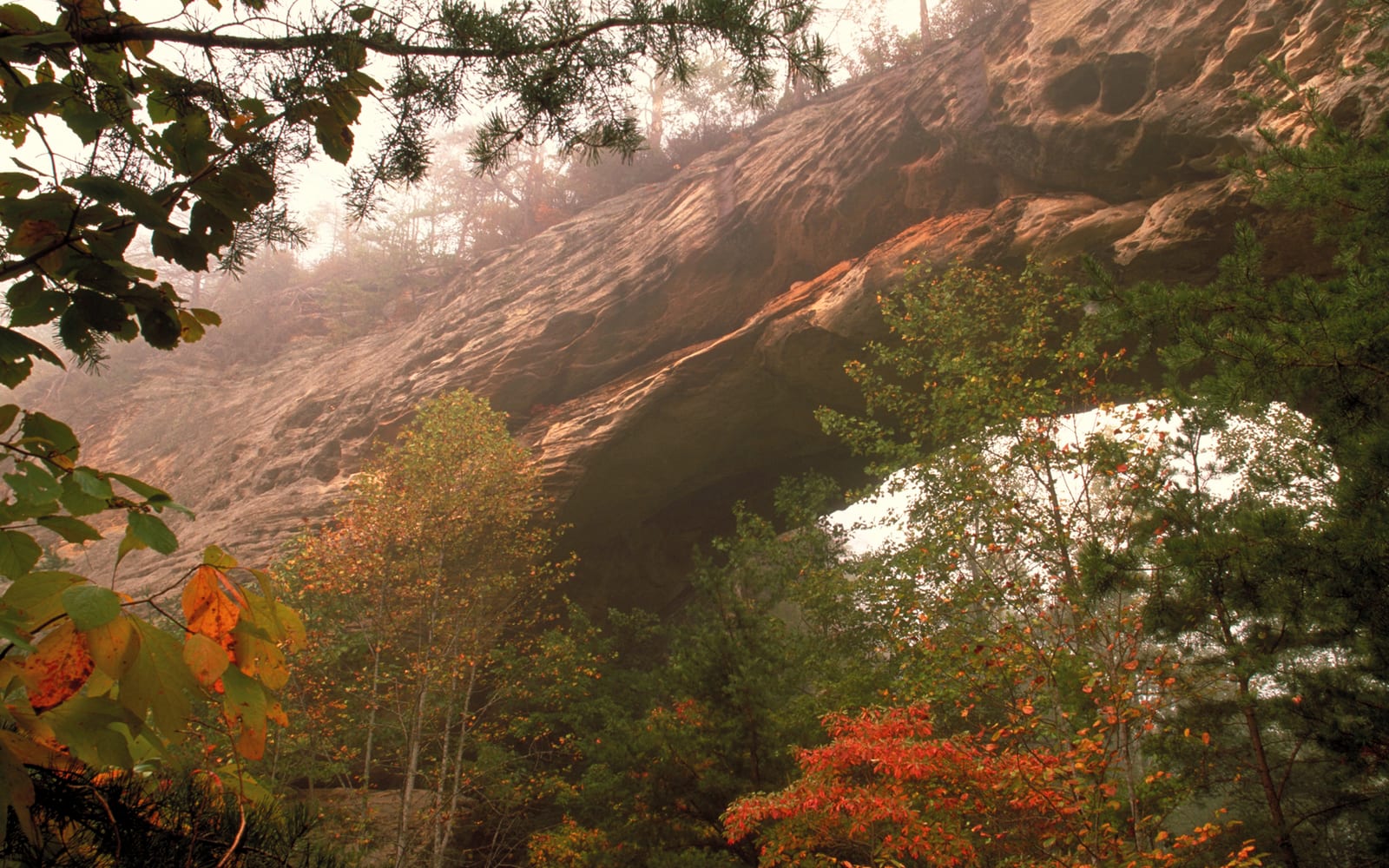
Fall color in KentuckyNational forest
59 mi · Also: Wildflowers · Local timing: late March to late April
Statewide timing: By late OctoberUSA National Phenology Network ↗
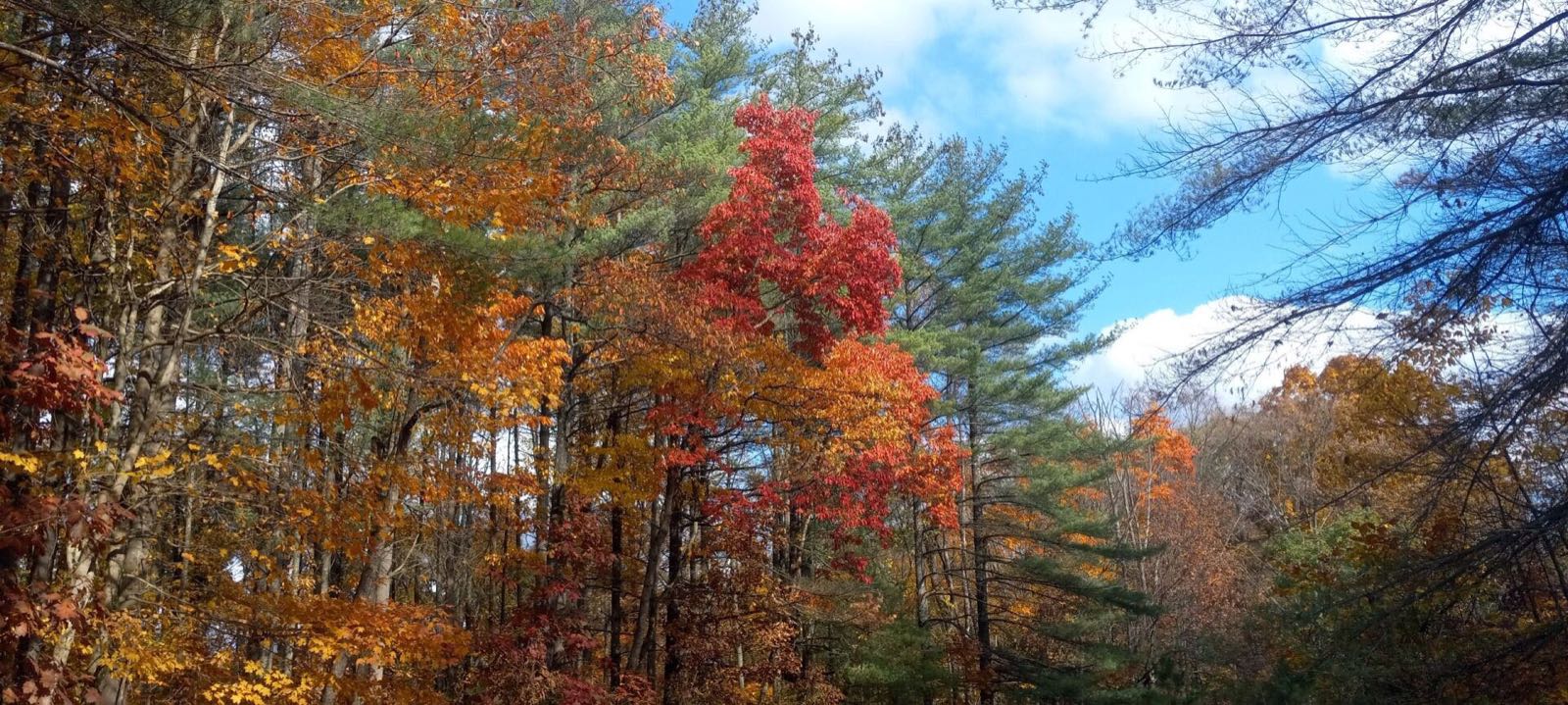
Fall color in IndianaNational forest
106 mi
Statewide timing: By late OctoberUSA National Phenology Network ↗
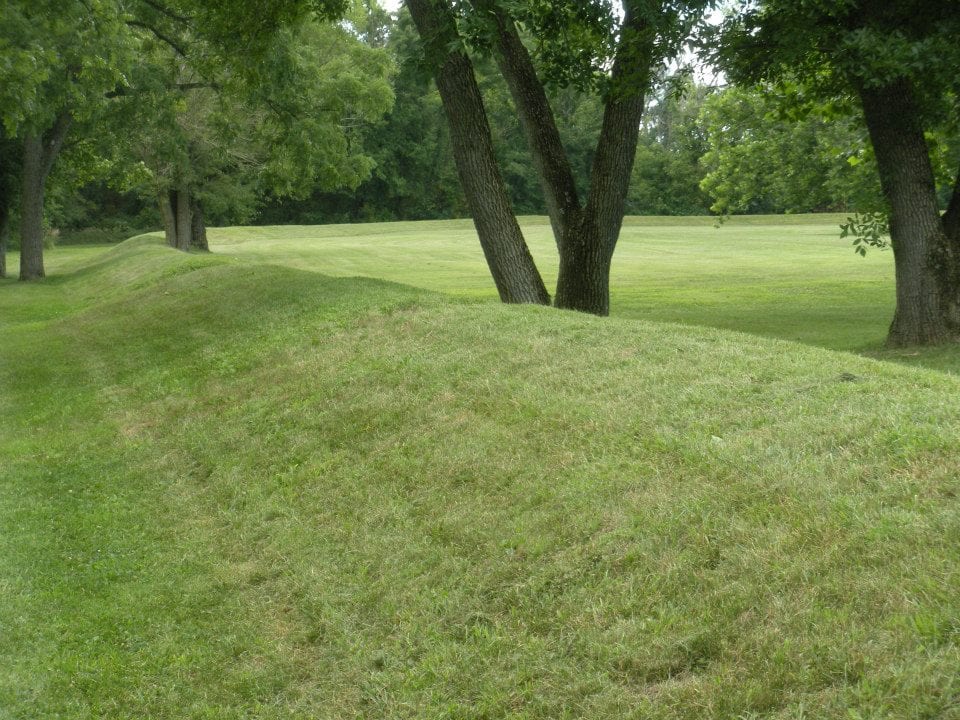
Summer prairie wildflowers in OhioNational Historical Park
113 mi
Best viewing: SummerNational Park Service ↗

Georgetown's nature year
| Month | What to see | Where |
|---|---|---|
| March |
|
|
| April |
|
|
| October |
|
|
Georgetown's year at a glance
- Frost possible
- Frost-free, ~Apr 18 to ~Oct 23
- First leaf ~Mar 13
- First bloom ~Apr 14
- Fall color under way ~Oct 25 (KY)
- Today
Frost and green-up
Last spring frost
Apr 18
Average (50% date)
First fall frost
Oct 23
About 188 days without frost between
Spring green-up
Mar 13
First bloom around Apr 14
Frost: NOAA 1991–2020 climate normals at Cynthiana (14.9 mi from Georgetown), the day a 32 °F night is as likely as not. Green-up: the USA-NPN Spring Index, 1991–2020 average at the town.
Questions people ask
When is the first frost in Georgetown?
On average around Oct 23, and the last spring frost around Apr 18: about 188 days without frost between. These are NOAA's 1991–2020 normals at Cynthiana, 14.9 miles away (the day a 32 °F night is as likely as not).
When does spring green-up reach Georgetown?
The USA-NPN Spring Index puts first leaf around Mar 13 and first bloom around Apr 14, on average for 1991–2020 at the town.
Where can I see fall foliage near Georgetown?
The nearest are Daniel Boone National Forest (59 miles), Hoosier National Forest (106 miles) and Mammoth Cave (113 miles). Daniel Boone National Forest: statewide: usually well under way by late October. Hoosier National Forest: statewide: usually well under way by late October. Mammoth Cave: local timing: starting in late October. Distances are straight-line.
Where can I see wildflowers near Georgetown?
The nearest are Daniel Boone National Forest (59 miles), War Fork and Steer Fork (64 miles) and Hopewell Culture (113 miles). Daniel Boone National Forest: local timing: late March to late April. War Fork and Steer Fork: local timing: most spectacular in mid-April. Hopewell Culture: local timing: summer. Distances are straight-line.
How we know
US Census Bureau, 2024 Gazetteer (places) (opens in a new tab) (Sep 27) · US Census Bureau, city and town population estimates, 2024 (opens in a new tab) (Sep 27) · NOAA NCEI U.S. Climate Normals 1991–2020 (annual/seasonal) (opens in a new tab) (Sep 27) · USA National Phenology Network, Spring Index 1991–2020 averages (opens in a new tab) (Sep 27) · USA National Phenology Network, colored leaves observations (opens in a new tab) (Oct 3)