Sachuest Point Refugewinter wildlife
Wildlife refugeAt Sachuest Point National Wildlife Refuge, harlequin ducks, black scoters, long-tailed ducks and common loons in the winter, per the Fish and Wildlife Service (a season, not a peak). Its usual window for this year has passed.
Updated
Sources for this timing ↓About Sachuest Point Refuge
- What it is
- A wildlife refuge in Rhode Island
- What you'll see
- Harlequin ducks and winter sea ducks · in the winter
Right now at Sachuest Point Refuge
Right now in Sachuest Point Refuge · October
- Northern harriers, merlins and hawks, and the occasional snowy owl · fall through spring
- Thousands of tree swallows and hundreds of monarch butterflies migrating · fall and spring
Your guide to the area
- Fall
- Winter
Places on this map, as a list
Where to watch
Island Rocks Observation Platform
Best spot
On the 1.1-mile Flint Point Loop through coastal shrubland; the loop and the platform are universally accessible
Price Neck Overlook
Best spot
A short, steep and rugged spur off the 1.5-mile Ocean View Loop, on greenish rocks that were once part of Africa
Nearby
White-tailed deer rut in MassachusettsWildlife refuge
40 mi · Sat: Sunny
Season: During NovemberU.S. Fish and Wildlife Service ↗

Worth the drive · more than 60 miles
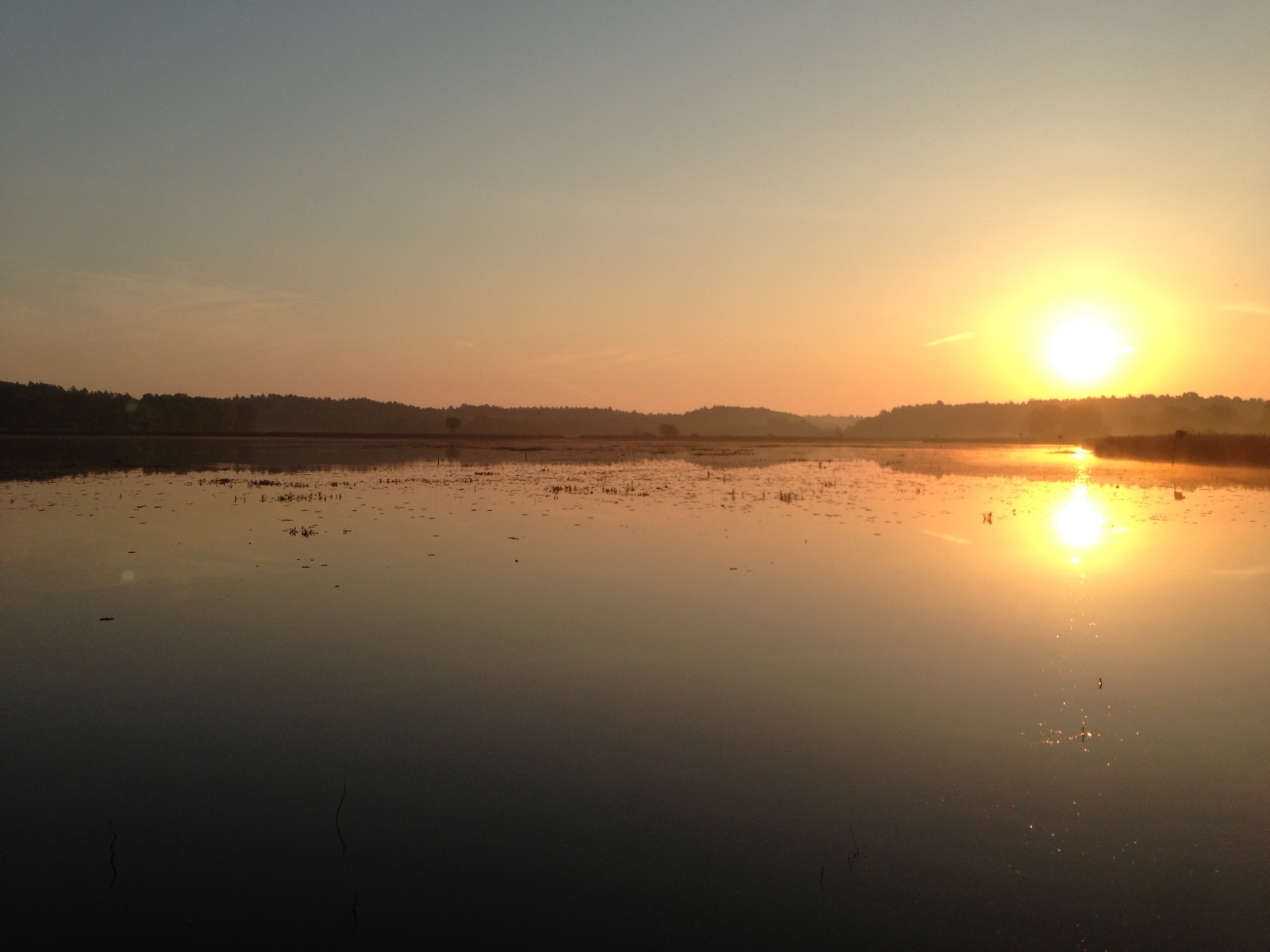
White-tailed deer rut in MassachusettsWildlife refuge
64 mi · Sat: Sunny
Season: NovemberU.S. Fish and Wildlife Service ↗
Waterfowl in New YorkWildlife refuge
68 mi · Sat: Mostly Sunny
Best viewing: Late October through early AprilU.S. Fish and Wildlife Service ↗
Waterfowl in New YorkWildlife refuge
98 mi · Sat: Mostly Sunny
Best viewing: Late October through early AprilU.S. Fish and Wildlife Service ↗
Shorebirds in MaineWildlife refuge
139 mi · Sat: Sunny
Season: Jul–NovU.S. Fish and Wildlife Service ↗
Wintering geese and ducks on West Pond in New YorkWildlife refuge
147 mi
Season: Sep–MarNational Park Service ↗
The year at Sachuest Point Refuge
- Red-winged blackbirds, goldfinches and cedar waxwings; piping plovers nest on the beachsummer
- Thousands of tree swallows and hundreds of monarch butterflies migratingNowfall and spring
- Northern harriers, merlins and hawks, and the occasional snowy owlNowfall through spring
- Harlequin ducks, black scoters, long-tailed ducks and common loonswinter
Questions people ask
When is the best time to see wildlife at Sachuest Point National Wildlife Refuge?
Harlequin ducks, black scoters, long-tailed ducks and common loons in the winter, per the Fish and Wildlife Service (a season, not a peak): in the winter. That's general timing for this place, not a peak date or a forecast.
Is it wildlife season at Sachuest Point National Wildlife Refuge right now?
Not now: its usual winter wildlife window for this year has passed. Next time: in the winter, local timing.
What should I look for in winter?
Sea ducks and loons offshore (harlequin duck, black scoter, long-tailed duck, common loon), and from fall through spring birds of prey, sometimes a snowy owl.Source: U.S. Fish and Wildlife Service, Wildlife watching at Sachuest Point National Wildlife Refuge ↗ (opens in a new tab)
Is the shoreline safe in rough weather?
Take care when waves are high and avoid wet rocks: they're slippery. Storms can also close the road to Sachuest; the town of Middletown posts closures.Source: U.S. Fish and Wildlife Service, Sachuest Point National Wildlife Refuge ↗ (opens in a new tab)
Can I bike the trails?
No: bikes aren't allowed on the trails or in the building; there are racks by the parking lot.Source: U.S. Fish and Wildlife Service, Sachuest Point National Wildlife Refuge ↗ (opens in a new tab)
What was here before the refuge?
From the 1940s to the 1970s the peninsula was an Army coastal defense site, a Navy firing range and a Navy communications center.Source: U.S. Fish and Wildlife Service, Sachuest Point National Wildlife Refuge ↗ (opens in a new tab)
Where are the best spots in Sachuest Point National Wildlife Refuge?
Island Rocks Observation Platform: on the 1.1-mile Flint Point Loop through coastal shrubland; the loop and the platform are universally accessible; Price Neck Overlook: a short, steep and rugged spur off the 1.5-mile Ocean View Loop, on greenish rocks that were once part of Africa.
What is Sachuest Point National Wildlife Refuge like through the year?
Harlequin ducks, black scoters, long-tailed ducks and common loons (Dec–Feb), Northern harriers, merlins and hawks, and the occasional snowy owl (Sep–May), Thousands of tree swallows and hundreds of monarch butterflies migrating (Sep–Nov) and Red-winged blackbirds, goldfinches and cedar waxwings; piping plovers nest on the beach (Jun–Aug).
How we know · Sources (6)
How we know
U.S. Fish and Wildlife Service, Wildlife watching at Sachuest Point National Wildlife Refuge (opens in a new tab) (Oct 2) · U.S. Fish and Wildlife Service, Sachuest Point National Wildlife Refuge (opens in a new tab) (Oct 2) · U.S. Fish and Wildlife Service, Sachuest Point National Wildlife Refuge (opens in a new tab) (Oct 2) · U.S. Fish and Wildlife Service, Sachuest Point National Wildlife Refuge (opens in a new tab) (Oct 2) · U.S. Fish and Wildlife Service, Island Rocks Observation Platform (opens in a new tab) (Oct 2) · U.S. Fish and Wildlife Service, Price Neck Overlook (opens in a new tab) (Oct 2)