Litchfield Wetland Districtspring migration
Mallards are readily visible on the district's wetlands during spring migration, March to May, per the Fish and Wildlife Service. Its usual window for this year has passed.
Right now at Litchfield Wetland District
Right now in Litchfield Wetland District · September
- Grassland birds (meadowlarks, godwits, sedge wrens, grasshopper sparrows, harriers) on district lands, March to November · Mar–Nov
- Mallards readily visible in fall migration, July to November · Jul–Nov
- Blue-winged teal at their most abundant in fall migration, August to September · Aug–Sep
Your guide to the area
One official viewing area
U.S. Fish and Wildlife Service: “Take a stroll on the boardwalk located next to the district headquarters in Litchfield, Minnesota.”
Nearby
- Sherburne Refuge50 miMaySatChance Rain Showers
- Minnesota Valley Refuge66 miApril - MaySatMostly Sunny
- Rice Lake Refuge118 miMay
- Upper Mississippi River Refuge159 miApril and May
- Trempealeau Refuge164 milate April or early MaySatMostly Sunny
- Rydell Refuge194 miApril and May
The year at Litchfield Wetland District
- Grassland birds (meadowlarks, godwits, sedge wrens, grasshopper sparrows, harriers) on district lands, March to NovemberNowMar–Nov
- Mallards readily visible in spring migration, March to MayMar–May
- Blue-winged teal at their most abundant in spring migration, March to MayMar–May
- Mallard hens nesting, April to July; broods on the wetlands from around mid-MayApr–Jul
- Mallards readily visible in fall migration, July to NovemberNowJul–Nov
- Blue-winged teal at their most abundant in fall migration, August to SeptemberNowAug–Sep
Litchfield Wetland District in pictures
Questions people ask
When is the best time to see spring migration at Litchfield Wetland Management District?
Mallards are readily visible on the district's wetlands during spring migration, March to May, per the Fish and Wildlife Service: spring (March-May). That's general timing for this place, not a peak date or a forecast.
Is spring migration under way at Litchfield Wetland Management District right now?
Not now: its usual spring migration window for this year has passed. Next time: spring (March-May), local timing.
Is there a fee?
No, it's free to visit.Source: U.S. Fish and Wildlife Service, Litchfield Wetland Management District: Visit Us ↗ (opens in a new tab)
Where else can I go?
All 156 of the district's waterfowl production areas and its four Northern Tallgrass Prairie National Wildlife Refuge tracts, spread across Kandiyohi, McLeod, Meeker, Renville, Stearns, Todd and Wright counties, are open to the public. Check the district map first (it's being improved).Source: U.S. Fish and Wildlife Service, Litchfield Wetland Management District: Visit Us ↗ (opens in a new tab)
Are there facilities out on the units?
Mostly not: several waterfowl production areas have parking and interpretive signs, but most are natural land with no facilities, so bring what you need and take your trash home. Restrooms are inside the district office.Source: U.S. Fish and Wildlife Service, Litchfield Wetland Management District: Visit Us ↗ (opens in a new tab)
When is the office open?
Monday to Friday, 7:30 a.m. to 4 p.m., except federal holidays.Source: U.S. Fish and Wildlife Service, Litchfield Wetland Management District: Visit Us ↗ (opens in a new tab)
Where are the best spots in Litchfield Wetland Management District?
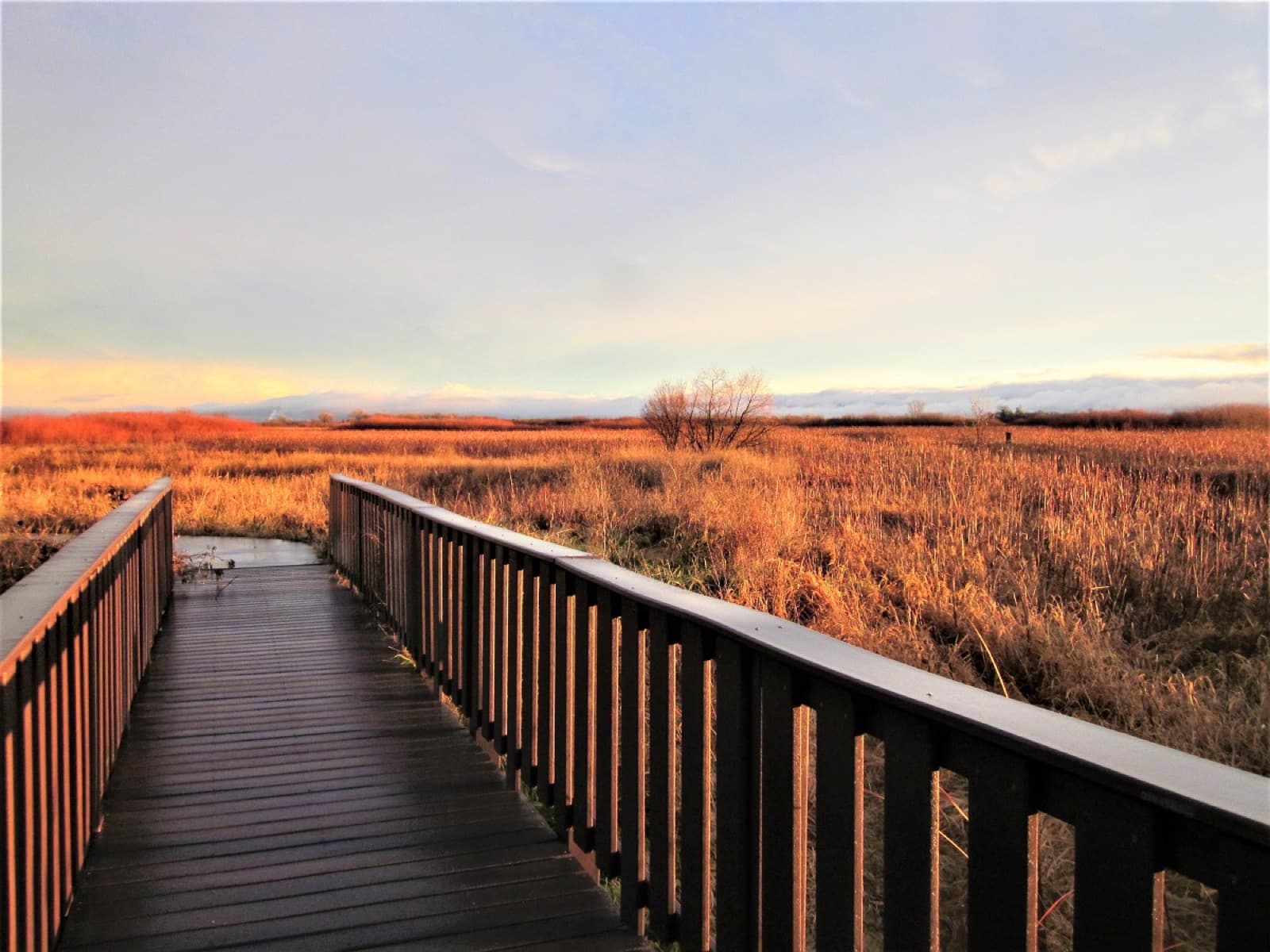
Office boardwalk: a 300-yard paved and wooden boardwalk beside the district office parking lot, three miles south of Litchfield on 615th Avenue, with two viewing stops (one with a bench) over a prairie wetland and a native prairie pollinator plot; open all year dawn to dusk, not cleared of snow in winter.
What is Litchfield Wetland Management District like through the year?
Mallards readily visible in spring migration, March to May (Mar–May), Blue-winged teal at their most abundant in spring migration, March to May (Mar–May), Mallard hens nesting, April to July; broods on the wetlands from around mid-May (Apr–Jul), Grassland birds (meadowlarks, godwits, sedge wrens, grasshopper sparrows, harriers) on district lands, March to November (Mar–Nov), Mallards readily visible in fall migration, July to November (Jul–Nov) and Blue-winged teal at their most abundant in fall migration, August to September (Aug–Sep).