Dahomey Refugespring migration
From March to June, neotropical migrant songbirds arrive and fill the forest with song, per the Fish and Wildlife Service. Its usual window for this year has passed.
Dahomey National Wildlife Refuge through the year
- Apr: Mississippi kites return, soaring over the treetopsApr
- Apr: Copper iris blooms along forested creeksApr
- Summer heat and mosquitoes: the shady forest gives some reliefJul–Aug
- Marbled salamanders move to breeding sites and lay eggs under logsNowSep–Oct
- Waterfowl feed in flooded fields and roost in flooded forestNov–Feb
This week at Dahomey Refuge
Right now in Dahomey Refuge · September
- Marbled salamanders move to breeding sites and lay eggs under logs · Sep–Oct
Next usual spring migration timingMarch – June, local timing
Today here · Tue, Sep 29
Usual season: March – June.
Where to watch
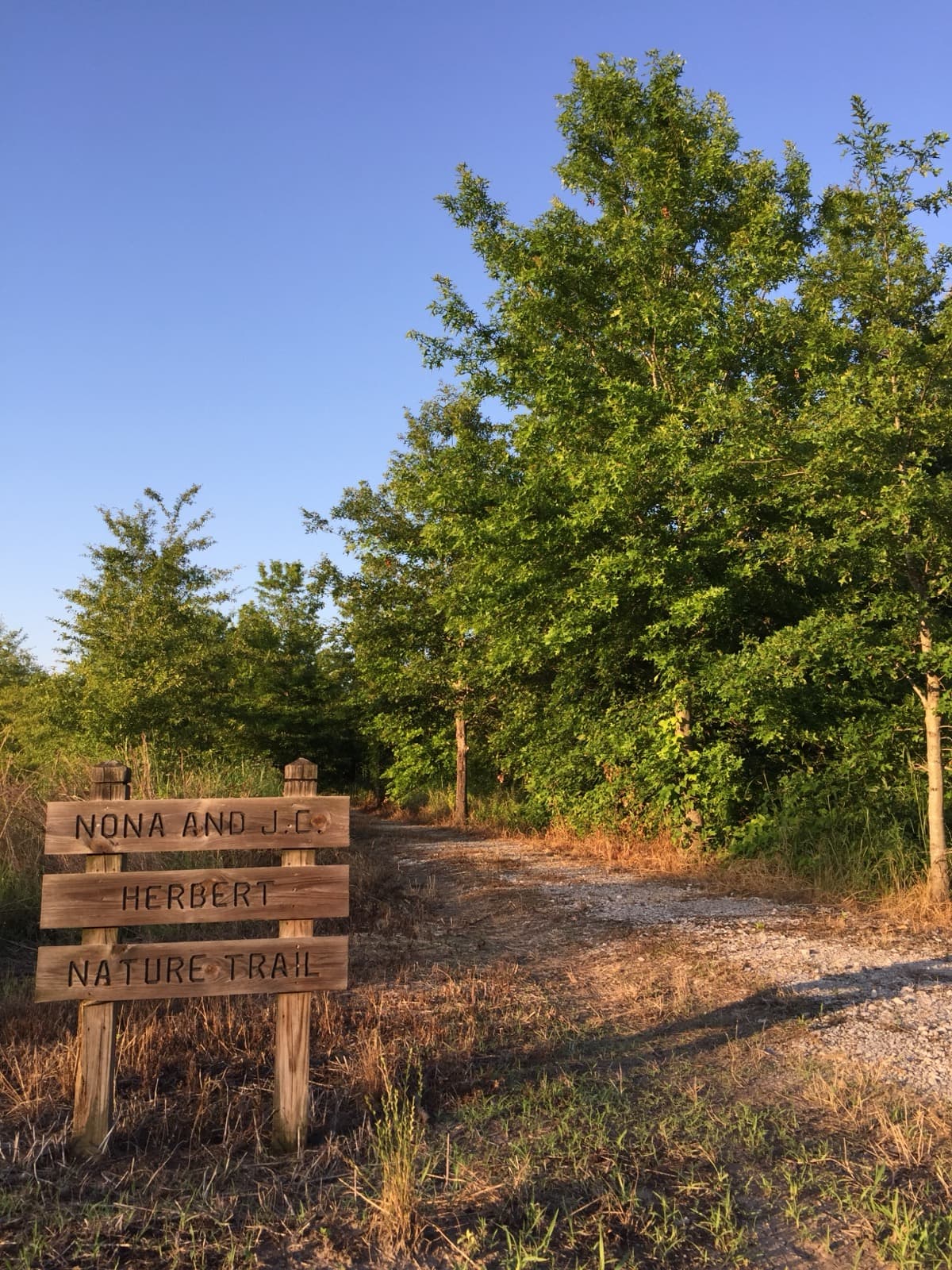
- Herbert Nature TrailA mowed one-mile loop, open year-round, around the lake to a viewing tower over a meadow and reforestation area where wildlife can be seen all year
- Paw Paw TrailA mowed half-mile trail (one way), open year-round, past tall cottonwoods and bald cypresses along creeks and sloughs to a photo blind over a small slough
Nearby
- Trinity River Refuge336 miLocal timing: during the spring (March to May) · starts in ~5 months
- Swan Lake Refuge428 miLocal timing: April and May · starts in ~6 monthsTuMostly Cloudy, rain likelyWeChance Showers And Thunderstorms, rain likelyThShowers And Thunderstorms, rain likelyFrChance Rain Showers, rain likelySaPartly SunnySuMostly SunnyMoSunny
- Loess Bluffs Refuge500 miLocal timing: from mid-February, peaking in mid-March · starts in ~5 monthsTuSlight Chance Showers And Thunderstorms, rain likelyWeShowers And Thunderstorms, rain likelyThShowers And Thunderstorms, rain likelyFrChance Rain Showers then Mostly Sunny, rain likelySaPartly SunnySuSunnyMoSunny
- Port Louisa Refuge519 miLocal timing: April to May · starts in ~6 monthsTuPartly Sunny, rain likelyWeShowers And Thunderstorms, rain likelyThShowers And Thunderstorms, rain likelyFrRain Showers Likely, rain likelySaMostly SunnySuMostly SunnyMoSunny
Dahomey Refuge in pictures
Questions people ask
When is the best time to see spring migration at Dahomey National Wildlife Refuge?
From March to June, neotropical migrant songbirds arrive and fill the forest with song, per the Fish and Wildlife Service: March – June. That's general timing for this place, not a peak date or a forecast.
Is spring migration under way at Dahomey National Wildlife Refuge right now?
Not now: its usual spring migration window for this year has passed. Next time: March – June, local timing.
When is the refuge open?
From sunrise to sunset.Source: U.S. Fish and Wildlife Service, Dahomey NWR: Visit Us ↗ (opens in a new tab)
Do I need to wear orange?
During all hunting seasons, yes: every visitor must wear at least 500 square inches of visible fluorescent orange above the waist.Source: U.S. Fish and Wildlife Service, Dahomey NWR: Visit Us ↗ (opens in a new tab)
Is anyone at the headquarters?
As of September 2026, the headquarters building on Highway 446 isn't staffed, so plan your visit ahead.Source: U.S. Fish and Wildlife Service, Dahomey NWR: Visit Us ↗ (opens in a new tab)
Can the trails flood?
Yes, at certain times of year. The two mowed trails (Herbert Nature Trail and Paw Paw Trail) are open year-round; the other 11 trails aren't maintained.Source: U.S. Fish and Wildlife Service, Dahomey NWR: Hiking ↗ (opens in a new tab)
Where are the best spots in Dahomey National Wildlife Refuge?
Herbert Nature Trail: a mowed one-mile loop, open year-round, around the lake to a viewing tower over a meadow and reforestation area where wildlife can be seen all year; Paw Paw Trail: a mowed half-mile trail (one way), open year-round, past tall cottonwoods and bald cypresses along creeks and sloughs to a photo blind over a small slough.
What is Dahomey National Wildlife Refuge like through the year?
Mississippi kites return, soaring over the treetops (Apr), Summer heat and mosquitoes: the shady forest gives some relief (Jul–Aug), Marbled salamanders move to breeding sites and lay eggs under logs (Sep–Oct), Copper iris blooms along forested creeks (Apr) and Waterfowl feed in flooded fields and roost in flooded forest (Nov–Feb).
How we know
U.S. Fish and Wildlife Service, Dahomey NWR: Species (opens in a new tab) (Sep 29) · U.S. Fish and Wildlife Service, Dahomey NWR: Visit Us (opens in a new tab) (Sep 29) · U.S. Fish and Wildlife Service, Dahomey NWR: Hiking (opens in a new tab) (Sep 29) · U.S. Fish and Wildlife Service, Dahomey NWR: Wildlife Watching (opens in a new tab) (Sep 29)