Illinois
When to catch Meredosia Refugeat its best
Meredosia Refuge through the year: spring migration (2 separate phases, from typically late February to early March), wildlife by season (2 separate phases, from Late May to early June) and winter wildlife (usually: migration typically peaks in November). Each has its own page with spots, sources and the latest reports.
RIGHT NOW · SEP 30
- Latest reportNo dated report this season; the posters below show each usual window.
- This weekend (NWS)Sat sunny, 68°F · Sun sunny, 70°F
- Park alertsCheck the managing agency before you go
When are you going?
Fall at Meredosia Refuge
Good in fall
- Ducks from October through late November; migration typically peaks in November
From each place's own sources; no peak claimed.
Next peak here after fall
“migration typically peaks in November” · U.S. Fish and Wildlife Service ↗
Winter at Meredosia Refuge
- USUAL PEAK · WINTER WILDLIFEMeredosia RefugeMigration typically peaks in NovemberIllinois
“migration typically peaks in November” · U.S. Fish and Wildlife Service ↗
Also good in winter
- Snow geese pour into the river valley, typically late February to early March
From each place's own sources; no peak claimed.
Spring at Meredosia Refuge
Also good in spring
- Snow geese pour into the river valley, typically late February to early March
From each place's own sources; no peak claimed.
Next peak here after spring
“migration typically peaks in November” · U.S. Fish and Wildlife Service ↗
Summer at Meredosia Refuge
Good in summer
- Rails and soras might be spotted, late May to early June
From each place's own sources; no peak claimed.
Next peak here after summer
“migration typically peaks in November” · U.S. Fish and Wildlife Service ↗
Where to go at Meredosia Refuge
- Spring
- Winter
Places on this map, as a list
Best spots
Spring migration
- Evan's Prairie Nature TrailA quarter-mile accessible gravel-and-boardwalk trail from the kiosk in the Evan's Prairie parking area (2227 N Beach Road) through sand prairie, old pine plantings and bottomland forest, ending on a boardwalk over Carver Lake; open all yearU.S. Fish and Wildlife Service ↗
- Shearl-Skinner UnitWetlands with two service roads to walk quietly: one topped with milkweed, where you can look for monarch butterflies, and one lined with woods, for wood ducks, hawks and owls; a kiosk with maps is at the parking areaU.S. Fish and Wildlife Service ↗
Wildlife by season
- Shearl-Skinner UnitWetlands with two service roads to walk quietly: one topped with milkweed, where you can look for monarch butterflies, and one lined with woods, for wood ducks, hawks and owls; a kiosk with maps is at the parking areaU.S. Fish and Wildlife Service ↗
- Evan's Prairie Nature TrailA quarter-mile accessible gravel-and-boardwalk trail from the kiosk in the Evan's Prairie parking area (2227 N Beach Road) through sand prairie, old pine plantings and bottomland forest, ending on a boardwalk over Carver Lake; open all yearU.S. Fish and Wildlife Service ↗
Winter wildlife
- East side of Meredosia LakeRefuge land along the east side of Meredosia Lake in Morgan County, open on foot even during the October 16 to January 31 waterfowl sanctuary; cars can use Beach Road on the lake's east side, and the boat ramp to the lake stays open all yearU.S. Fish and Wildlife Service ↗
- Evan's Prairie Nature TrailA quarter-mile accessible gravel-and-boardwalk trail from the kiosk in the Evan's Prairie parking area (2227 N Beach Road) through sand prairie, old pine plantings and bottomland forest, ending on a boardwalk over Carver Lake; open all yearU.S. Fish and Wildlife Service ↗
Next 7 days at Meredosia Refuge
- TodaySlight Chance Rain Showers81° / 70°15% rain
- ThuShowers And Thunderstorms77° / 60°94% rain
- FriRain Showers68° / 51°81% rain
- SatSunny68° / 50°4% rain
- SunSunny70° / 46°4% rain
- MonSunny65° / 45°–
- TueSunny66° / 51°2% rain
Today: sunrise 6:58 a.m., sunset 6:48 p.m., light until 7:15 p.m. · moon waning gibbous, 78% lit (our calculation)
Nearby, and when they peak
- USUAL PEAK · WINTER WILDLIFEEmiquon RefugeMigration typically peaks in November42 mi
“migration typically peaks in November” · U.S. Fish and Wildlife Service ↗
- USUAL PEAK · WINTER WILDLIFEChautauqua RefugeMigration typically peaks in November47 mi
“Migration typically peaks in November” · U.S. Fish and Wildlife Service ↗
- More winter wildlife:Clarence Cannon Refuge
Towns nearby
- Quincy, IL44 mi
- O'Fallon, MO74 mi
- Galesburg, IL77 mi
- St. Louis, MO85 mi
- Decatur, IL86 mi
- Bloomington, IL95 mi
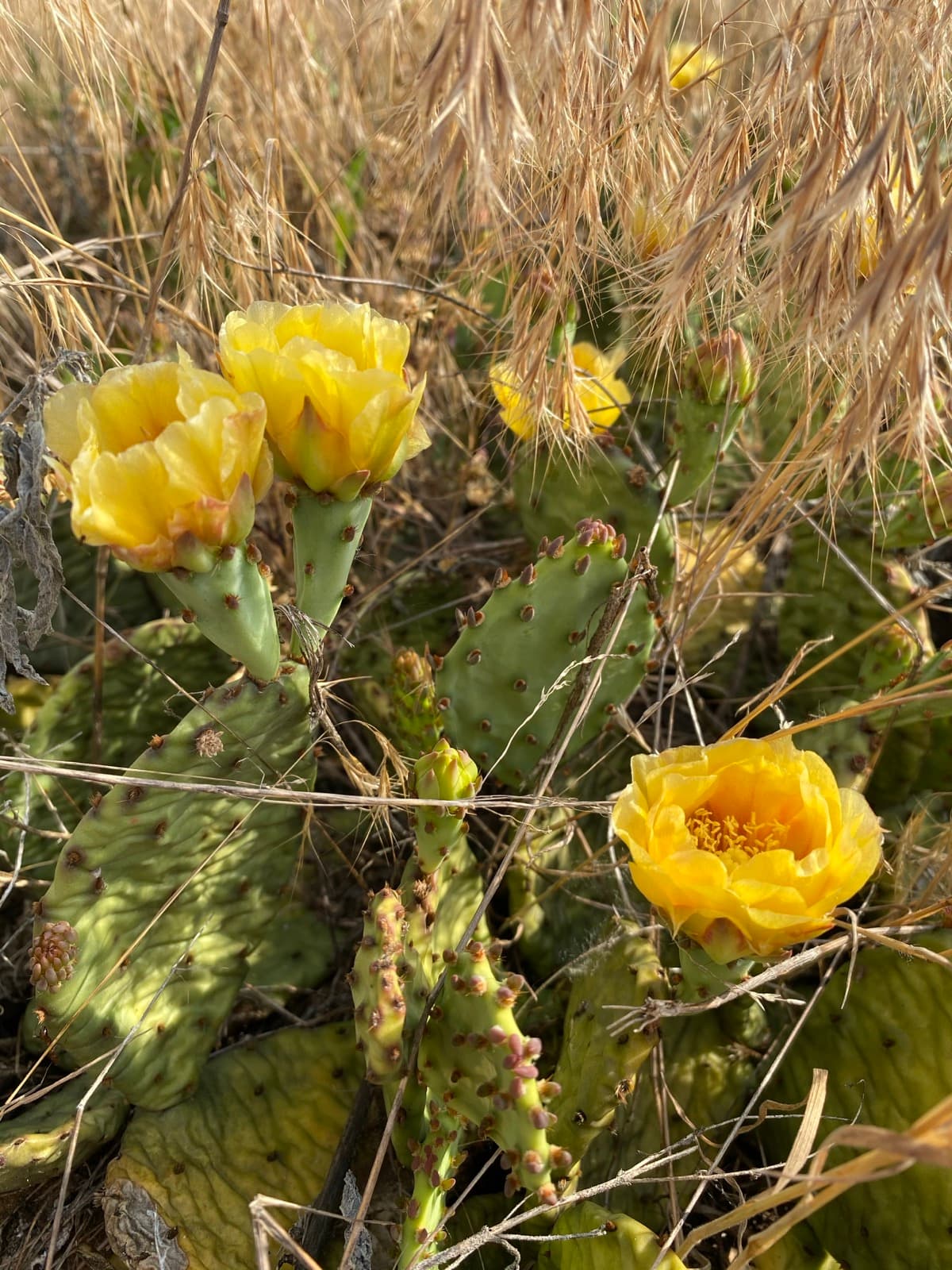
Meredosia Refuge in pictures
Questions people ask
What's the spring frog chorus like?
It starts with the long, high trill of American toads and, if you're lucky, the birdlike whistles of the rare Illinois chorus frog, a state-threatened species of the refuge's sandy ground. Later come spring peepers, southern leopard frogs and gray treefrogs.Source: U.S. Fish and Wildlife Service, Meredosia NWR: Species ↗ (opens in a new tab)
How many snow geese?
More than 100,000 at once is not unusual, rolling together over the gaps in the ice; ducks follow as the ice opens in mid-March.Source: U.S. Fish and Wildlife Service, Meredosia NWR: Species ↗ (opens in a new tab)
Is the whole refuge open in spring?
Yes. From February 1 to October 15, all land and water areas are open on foot and by boat, from sunrise to sunset.Source: U.S. Fish and Wildlife Service, Meredosia NWR: Visit Us ↗ (opens in a new tab)
How do I get there?
From Jacksonville, take Route 67 north about 25 miles to Highway 104, then west about five miles; turn north on Putnam Street, east on Gaskill, then north on Beach Road for half a mile.Source: U.S. Fish and Wildlife Service, Meredosia NWR: Visit Us ↗ (opens in a new tab)
How we know
- Sep 30Park ServiceSeasons of wildlife: late-February snow geese, April-May warblers, spring frog chorus, rails and soras, July-September shorebirds, October-November ducks with a November migration peakSource (opens U.S. Fish and Wildlife Service, Meredosia NWR: Species in a new tab)