Ohio
When to catch Ottawa Refugeat its best
Ottawa Refuge through the year: spring migration (local timing: late April to mid-May) and winter wildlife (usually: waterfowl numbers peak in October). Each has its own page with spots, sources and the latest reports.
RIGHT NOW · SEP 30
- Latest reportNo dated report this season; the posters below show each usual window.
- This weekend (NWS)Sat sunny, 63°F · Sun mostly sunny, 67°F
- Park alertsCheck the managing agency before you go
When are you going?
Fall at Ottawa Refuge
Good in fall
- Waterfowl numbers and variety peak (fall)
From each place's own sources; no peak claimed.
Nearby in fall
- USUAL PEAK · FALL FOLIAGECuyahoga ValleyThe third week of October89 mi
“the third week of October” · National Park Service ↗
Next peak here after fall
“waterfowl numbers peak in October” · U.S. Fish and Wildlife Service ↗
Winter at Ottawa Refuge
- MOST NUMEROUS · WINTER WILDLIFEOttawa RefugeWaterfowl numbers peak in OctoberOhio
“waterfowl numbers peak in October” · U.S. Fish and Wildlife Service ↗
Spring at Ottawa Refuge
- SEASON · SPRING MIGRATIONOttawa RefugeLate April to mid-MayOhio
“late April to mid-May” · U.S. Fish and Wildlife Service ↗
Also good in spring
- Spring migratory birds: numbers and variety peak, late April to mid-May
From each place's own sources; no peak claimed.
Next peak here after spring
“waterfowl numbers peak in October” · U.S. Fish and Wildlife Service ↗
Summer at Ottawa Refuge
Good in summer
- Worst months for bugs in the woods
From each place's own sources; no peak claimed.
Next peak here after summer
“waterfowl numbers peak in October” · U.S. Fish and Wildlife Service ↗
Where to go at Ottawa Refuge
- Ottawa RefugeLocal timing: late April to mid-MayThis page
- Cuyahoga ValleyUsually: early this month [May] ... reaches its frenzied peak by mid-May
Best spots
Spring migration
- Boardwalk LoopA 0.3-mile easy, ADA-compliant loop behind the visitor center, over wetland and through woods, open year-round from dawn to dusk; it gives excellent views of warblersU.S. Fish and Wildlife Service ↗
- Estuary TrailA half-mile trail west of the Magee Marsh beach on Lake Erie, through beach-ridge habitat that migrating songbirds favor in spring; reach it from the Magee Marsh parking lot, or on foot by the Pool 1 trail from April 15 to September 1U.S. Fish and Wildlife Service ↗
Winter wildlife
- Partnership TrailYear-round 1.5-mile grass trail along wetlands and open pools used by waterfowl; start at the refuge trailhead lot or the Magee Marsh bird center lotU.S. Fish and Wildlife Service ↗
- West Harbor LandingA refuge wetland on SR 53 east of Port Clinton (about 35-40 minutes' drive) with an observation deck: bring binoculars for ducks, eagles and gullsU.S. Fish and Wildlife Service ↗
- Wildlife Drive (fall dates)As of September 2026 the refuge lists September to December 'as schedules allow', sunrise to sunset with the entrance closing an hour before sunset; it isn't open every day, so check the scheduleU.S. Fish and Wildlife Service ↗
Next 7 days at Ottawa Refuge
- TodaySlight Chance Rain Showers76° / 66°37% rain
- ThuChance Rain Showers79° / 61°100% rain
- FriRain Showers67° / 54°100% rain
- SatSunny63° / 50°4% rain
- SunMostly Sunny67° / 48°6% rain
- MonSunny60° / 44°1% rain
- TueSunny59° / 44°–
Today: sunrise 7:29 a.m., sunset 7:18 p.m., light until 7:46 p.m. · moon waning gibbous, 78% lit (our calculation)
Nearby, and when they peak
- BEST VIEWING · WINTER WILDLIFEShiawassee RefugeSeptember and October are the best months for fall migratory birds125 mi
“September and October are the best months for fall migratory birds” · U.S. Fish and Wildlife Service ↗
- USUAL PEAK · FALL FOLIAGECuyahoga ValleyThe third week of October89 mi
“the third week of October” · National Park Service ↗
Towns nearby
- Toledo, OH20 mi
- Ann Arbor, MI53 mi
- Detroit, MI54 mi
- Lorain, OH55 mi
- Marion, OH70 mi
- Jackson, MI76 mi
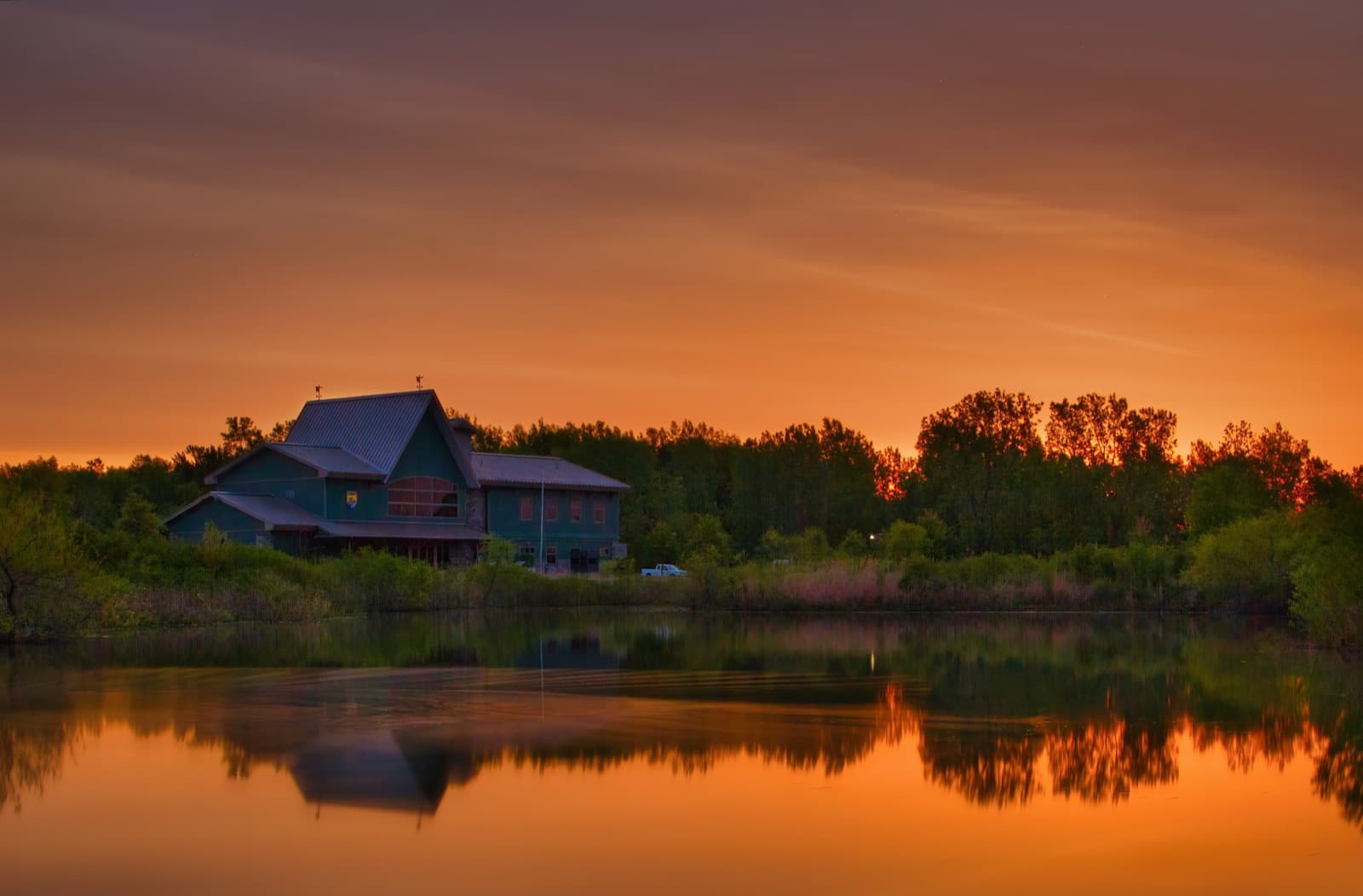
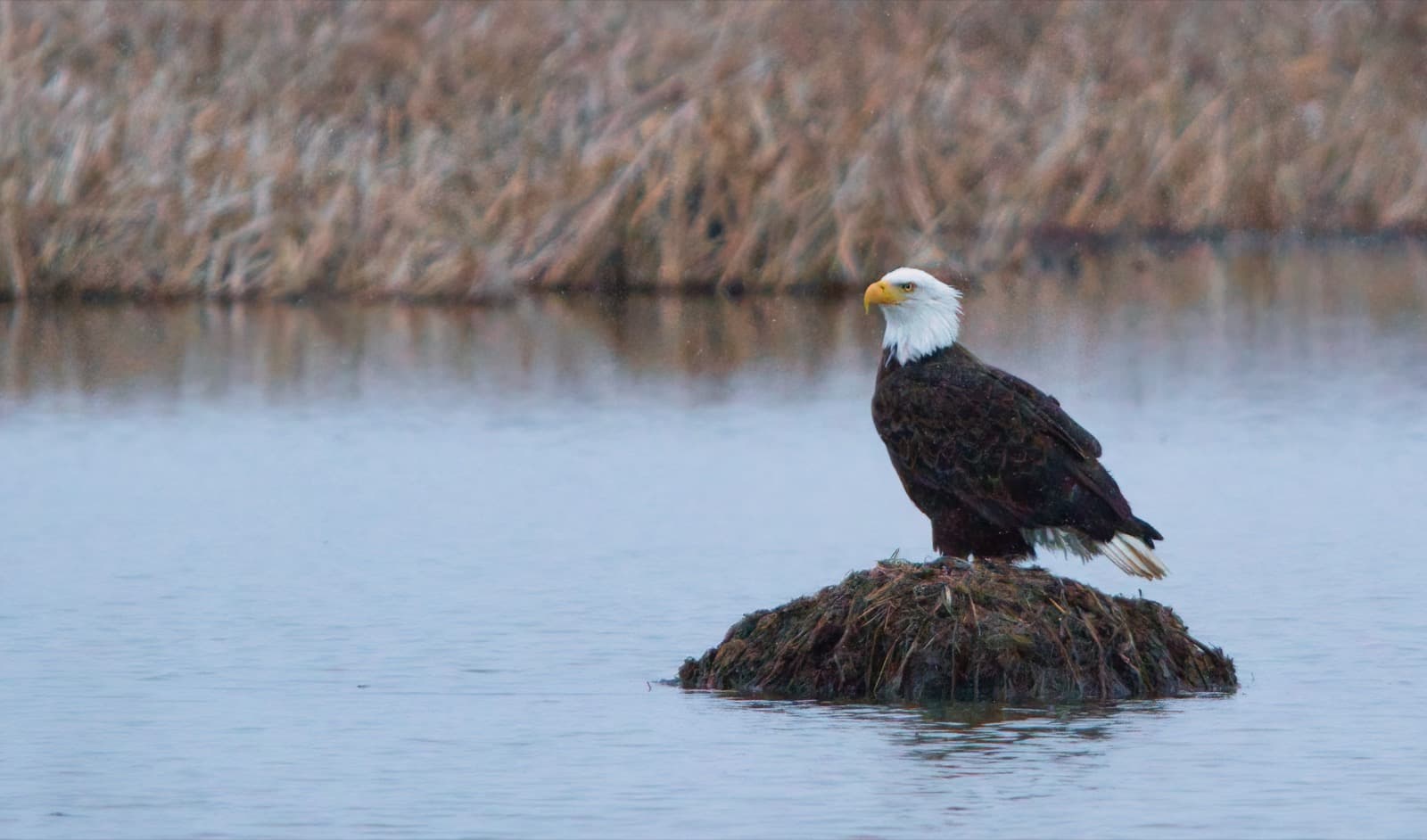
Ottawa Refuge in pictures
Questions people ask
Is there a fee to visit?
No, the refuge is free to visit.Source: U.S. Fish and Wildlife Service, Ottawa NWR: Visit Us ↗ (opens in a new tab)
Can I drive the Wildlife Drive any day?
No. The seven-mile Wildlife Drive opens only on scheduled dates, sunrise to sunset with the entrance closing an hour before sunset, so check the refuge's calendar of events before you go. On those days it reaches parts of the refuge that are otherwise closed.Source: U.S. Fish and Wildlife Service, Ottawa NWR: Visit Us ↗ (opens in a new tab)
When are the visitor center and trails open?
The visitor center is open Thursday to Sunday, 10 a.m. to 4 p.m., and closed on most federal holidays. The parking lots and hiking trails are open daily from dawn to dusk; seasonal trails are open April 1 to September 15.Source: U.S. Fish and Wildlife Service, Ottawa NWR: Visit Us ↗ (opens in a new tab)
What should I bring?
Layers, even in summer: Lake Erie can make it much colder and windier here than a few miles inland. Bring water, food, binoculars, a hat, sunscreen and insect repellent, and sturdy shoes, since trails other than the boardwalk are gravel or grass and sometimes muddy.Source: U.S. Fish and Wildlife Service, Ottawa NWR: Visit Us ↗ (opens in a new tab)
How we know
- Sep 28Park ServiceSeasons of wildlife and featured species: bird peak late April to mid-May, warblers at the boardwalk and Estuary Trail, waterfowl peaks in March and OctoberSource (opens U.S. Fish and Wildlife Service, Ottawa NWR: Species (Seasons of Wildlife) in a new tab)
- Sep 28Park ServiceVisitor center hours, fees, trails and seasons, Wildlife Drive schedule, tipsSource (opens U.S. Fish and Wildlife Service, Ottawa NWR: Visit Us in a new tab)