Illustration
Illustration
South Dakota
Best time to visit Wind CaveWhen to catch the summer bison rut and elk bugling
Wind Cave through the year: the summer bison rut (local timing: in July and August) and elk bugling (local timing: early September through October, with the peak in early October). Each has its own page with spots, sources and the latest reports.
Checked against 2 official sources · How we check →
About Wind Cave
- What it is
- A national park in South Dakota
- A little history
- The Civilian Conservation Corps played a key part in developing the park.
- What you'll see
- The summer bison rut · usual peak in July and AugustElk bugling · Sep–Oct (a season)
- Before you go
Year-round(3 tips)
- Safety: Stay at least 25 yards from all wildlife at Wind Cave, and farther from bison.
- Fees: There are no fees to drive through or hike in the park.
- Getting there: President Theodore Roosevelt signed the legislation creating Wind Cave National Park on January 9.
Elk bugling · Sep–Oct(1 tip)
- What to wear: Bring warm clothes and extra layers for fall evenings below 40°F, plus a flashlight near or after sunset.
Sources (4)
- National Park Service, History & Culture - Wind Cave National Park ↗
- National Park Service, Wind Cave National Park: Elk Bugling ↗
- National Park Service, Wind Cave National Park: park data (fees, visitor center, Elk Mountain Campground) ↗
- National Park Service, Wind Cave National Park Time Line - Wind Cave National Park ↗
RIGHT NOW · OCT 3
- Latest reportNo dated report this season; the posters below show each usual window.
- This weekend (NWS)Sat sunny, 77°F · Sun sunny, 71°F
- Park alertsNo current NPS alerts
When are you going?
Fall at Wind Cave
Winter at Wind Cave
Spring at Wind Cave
Good in spring
- Bison calves born (April or May)
Nearby in spring
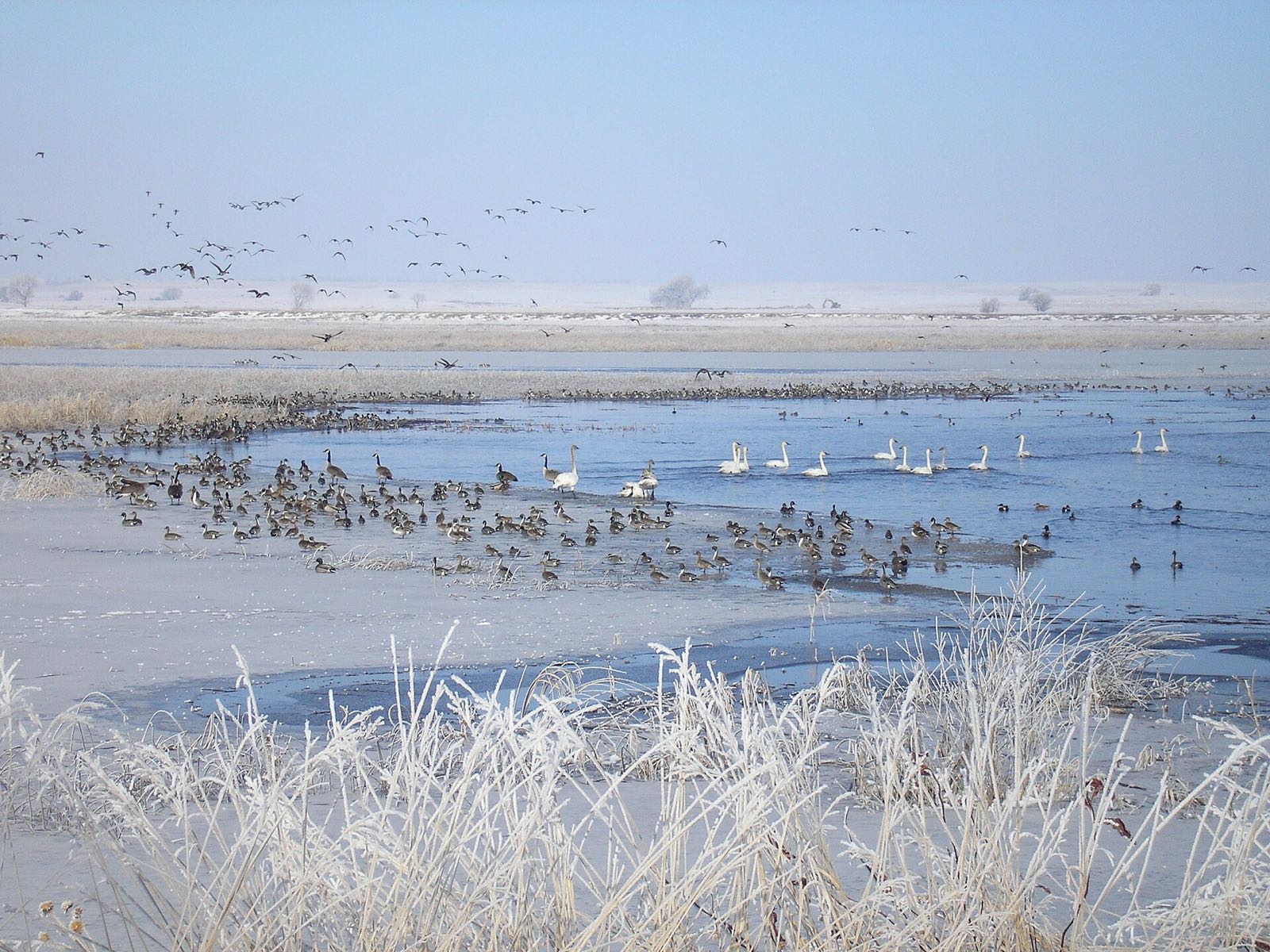
Summer at Wind Cave
Month by month
Usual windows from the official sources, not a forecast
| Month | What to see | |
|---|---|---|
| April | ||
| May | ||
| June | ||
| July | ||
| August | ||
| September | ||
| October | ||
| November | ||
Where to go at Wind Cave
Spots, visitor points and places nearby
- Pin color, each place's season now or next:
- Fall
Visitor points on this map: Bismarck Lake Campground (15.2 mi) · J.H. Keith Park Cascade Springs Picnic G (15.8 mi) · J.H. Keith Park Cascade Falls Picnic Gro (16.9 mi) · Comanche Park Campground (17.1 mi) · Iron Creek Horse Camp (18.7 mi) · Lakota Lake Picnic Site (20.7 mi) · Norbeck Memorial Observation Site (20.9 mi) · Wrinkled Rock Campground (22.8 mi)
Places on this map (1)
Best spots
Where each event's source says to go
East Bison Flats Trail
Best spot
After a short climb, the rolling prairie hills, with views of Buffalo Gap and the Black Hills
Good for: The summer bison rutNational Park Service ↗
Rankin Ridge Nature Trail
Best spot
A 1-mile loop through ponderosa pines to the park's highest point; no pets, and the fire tower can't be climbed
Good for: The summer bison rutNational Park Service ↗
Elk Mountain Campground amphitheater
Best spot
An accessible, quieter listening spot away from the campsites; non-campers are welcome here and on the Elk Mountain Campground Trail (bring a flashlight). Elk are usually heard on the wooded hills south and west of the campground and in the prairie dog town to the north
Good for: Elk buglingNational Park Service ↗
Wind Cave Canyon and Cold Brook Canyon pullouts
Best spot
Roadside pullouts along Highway 385 or 87 for a shorter visit; turn the engine off, sit quietly and listen in 10–20 minute stretches
Good for: Elk buglingNational Park Service ↗
Next 7 days at Wind Cave
Forecast: National Weather Service
Last checked Fri, Oct 2: our daily Weather Service update hasn't come through since. Check weather.gov before you go.
Around Wind Cave
In season first, then nearest; straight-line miles

Next season here: The summer bison rut, in July and August.
Towns nearby
Straight-line miles from Wind Cave
- Rapid City, SD · 38 miFirst frost ~Oct 8
First frost: NOAA 1991–2020 normals at each town's nearest station.
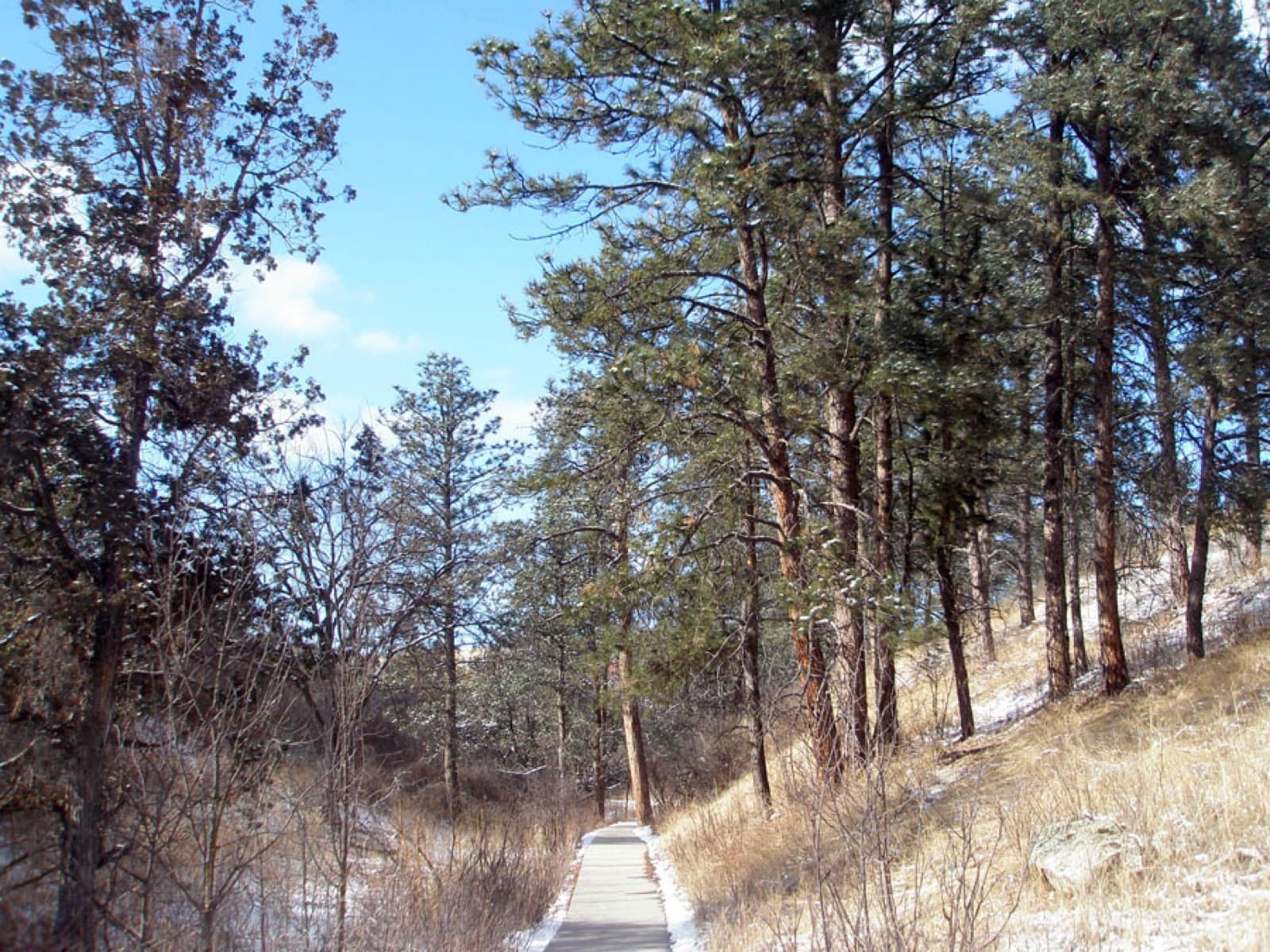
Wind Cave in pictures
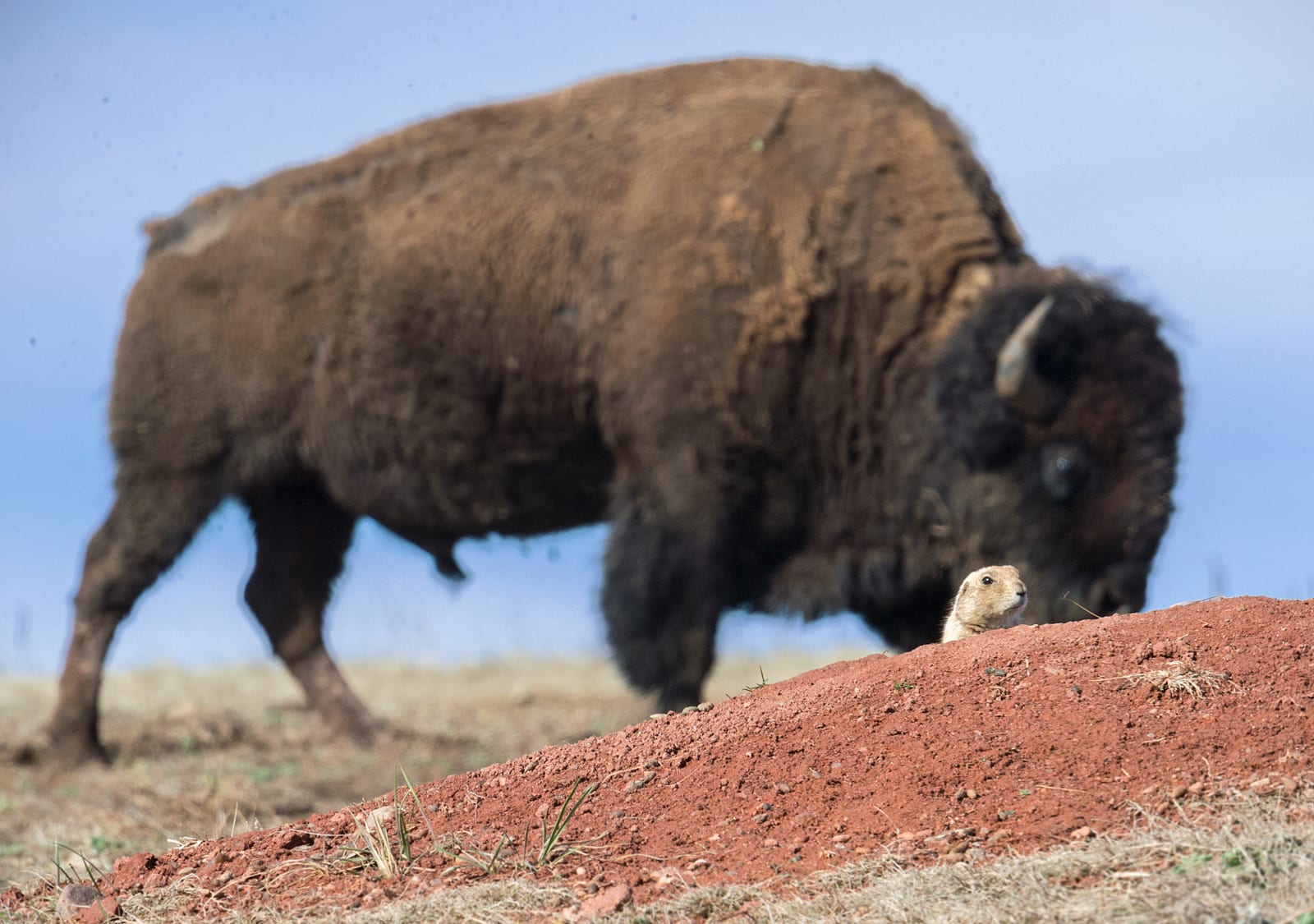
Illustrative photos, not current conditions
Questions people ask
How close can you get to the elk at Wind Cave?
Stay at least 25 yards (23 meters) from all wildlife, and farther from bison. Elk are more aggressive during the rut in September and October, and they're usually heard in the distance rather than seen up close.Source: National Park Service, Wind Cave National Park: Elk Bugling ↗ (opens in a new tab)
Can you use a spotlight to find elk at Wind Cave?
No. Spotlighting isn't permitted in the park: shining headlights or other lights on wildlife disturbs the animals and changes their behavior.Source: National Park Service, Wind Cave National Park: Elk Bugling ↗ (opens in a new tab)
What should I bring to Wind Cave National Park?
Warm clothes and extra layers (fall evenings regularly drop below 40°F), and a flashlight if you walk near or after sunset.Source: National Park Service, Wind Cave National Park: Elk Bugling ↗ (opens in a new tab)
Is there an entrance fee at Wind Cave National Park?
No: there are no fees to drive through or hike in the park.Source: National Park Service, Wind Cave National Park: park data (fees, visitor center, Elk Mountain Campground) ↗ (opens in a new tab)
How we know
The official pages behind every date on this page
- Oct 3Park ServiceBisonSource (opens National Park Service, Bison in a new tab)
- Sep 28Park ServiceWhen and where to listen for bugling elk (September–October, peak early October), how to listen safely, ranger programs (last updated August 18, 2024)Source (opens National Park Service, Wind Cave National Park: Elk Bugling in a new tab)
- National Park Service sources: no claim to original U.S. Government works.