Lacreek Refugespring migration
Spring migratory birds stopping to feed and rest, during the refuge's spring season (March-May), per the Fish and Wildlife Service. This year's season is over; the next is in 2027.
Right now in Lacreek Refuge · September
- American bitterns commonly seen, April through September · Apr–Sep
153days to the next spring migration seasonSpring (March-May), local timing
Lacreek National Wildlife Refuge through the year
- Feb: First drake northern pintails arrive, late FebruaryFeb
- Spring migratory birds stopping to feed and rest, March to MayMar–May
- American bitterns commonly seen, April through SeptemberNowApr–Sep
- Thousands of American white pelicans on the Pelican Island nesting islands, late April and early MayApr–May
- Trumpeter swans: typically 100 to 300 present, October through MarchOct–Mar
- Up to 100 bald eagles when waterfowl gather or winter-killed fish are present, December through MarchDec–Mar
Where to watch
- Pelican Island TrailA short, easy mown-grass path 2.5 miles north of the visitor center, looking out to two nesting islands in Pool 9: thousands of American white pelicans in late April and early May, heron, egret and cormorant rookeries, and waterfowl and shorebirds in season
- Bird WalkAn easy loop on a mown grass path around the display pond at headquarters, next to the visitor center; its large willows, cottonwoods and shrubs draw warblers and other birds not often found in the grasslands and wetlands
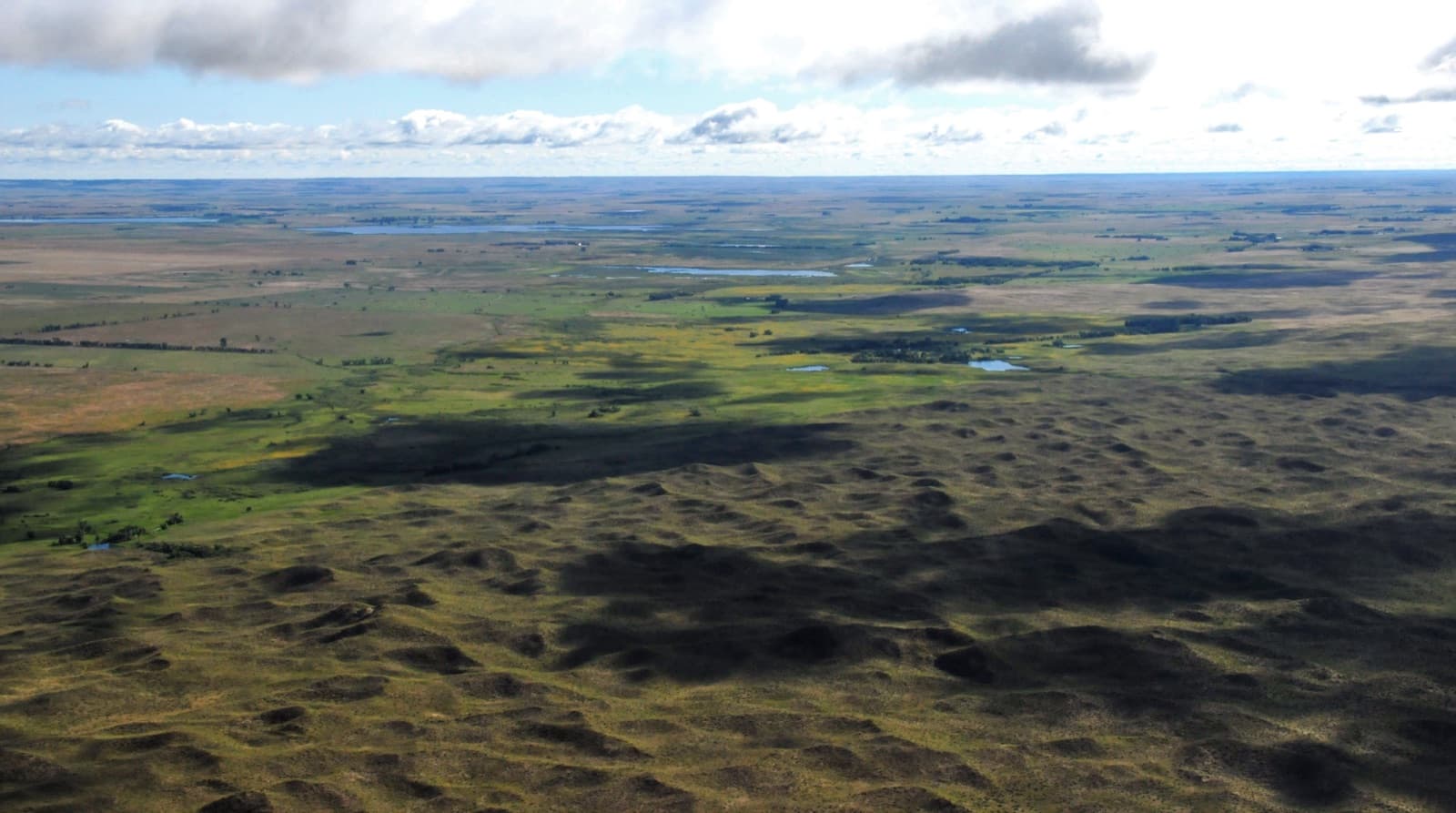
Lacreek Refuge in pictures
How we know
U.S. Fish and Wildlife Service, Lacreek NWR: Species (Seasons of Wildlife) (opens in a new tab) (Sep 29) · U.S. Fish and Wildlife Service, Lacreek NWR: Visit Us (opens in a new tab) (Sep 29) · U.S. Fish and Wildlife Service, Lacreek NWR: Activities (opens in a new tab) (Sep 29) · U.S. Fish and Wildlife Service, Lacreek NWR: Trails (opens in a new tab) (Sep 29) · National Weather Service forecast and alerts (opens in a new tab) (Sep 29)
Questions people ask
When is the best time to see spring migration at Lacreek National Wildlife Refuge?
Spring migratory birds stopping to feed and rest, during the refuge's spring season (March-May), per the Fish and Wildlife Service: Spring (March-May). That's general timing for this place, not a peak date or a forecast.
Is spring migration under way at Lacreek National Wildlife Refuge right now?
Not now: the spring migration season is over for this year. The next one starts in about 153 days (Spring (March-May), local timing).
When is the refuge open?
All year, from sunrise to sunset. The office is open Monday to Friday, 7 a.m. to 3:30 p.m., except federal holidays.Source: U.S. Fish and Wildlife Service, Lacreek NWR: Visit Us ↗ (opens in a new tab)
Can I drive through the refuge?
Yes: a 4.5-mile auto tour route starts at the visitor center. Refuge roads are gravel with a 25 mph limit, and vehicles must stay on designated roads.Sources: U.S. Fish and Wildlife Service, Lacreek NWR: Activities ↗ (opens in a new tab), U.S. Fish and Wildlife Service, Lacreek NWR: Visit Us ↗ (opens in a new tab)
Can I bring my dog?
Yes, on a leash: dogs off-leash are prohibited, and both birding trails are listed as dog friendly.Sources: U.S. Fish and Wildlife Service, Lacreek NWR: Visit Us ↗ (opens in a new tab), U.S. Fish and Wildlife Service, Lacreek NWR: Trails ↗ (opens in a new tab)
Can I camp or park overnight?
Only at the Little White River Recreation Area, the one part of the refuge that allows camping and overnight parking; its sites are first come, first served and primitive, with vault toilets.Sources: U.S. Fish and Wildlife Service, Lacreek NWR: Visit Us ↗ (opens in a new tab), U.S. Fish and Wildlife Service, Lacreek NWR: Activities ↗ (opens in a new tab)
Can I trust my GPS to get there?
Not fully: the refuge warns GPS may send you onto roads that don't exist or aren't public, so follow its posted directions. Martin, about 15 miles away, is the nearest town, with gas, food, lodging and a grocery store.Source: U.S. Fish and Wildlife Service, Lacreek NWR: Visit Us ↗ (opens in a new tab)
Where are the best spots in Lacreek National Wildlife Refuge?
Pelican Island Trail: a short, easy mown-grass path 2.5 miles north of the visitor center, looking out to two nesting islands in Pool 9: thousands of American white pelicans in late April and early May, heron, egret and cormorant rookeries, and waterfowl and shorebirds in season; Bird Walk: an easy loop on a mown grass path around the display pond at headquarters, next to the visitor center; its large willows, cottonwoods and shrubs draw warblers and other birds not often found in the grasslands and wetlands.
What is Lacreek National Wildlife Refuge like through the year?
First drake northern pintails arrive, late February (Feb), Spring migratory birds stopping to feed and rest, March to May (Mar–May), Thousands of American white pelicans on the Pelican Island nesting islands, late April and early May (Apr–May), American bitterns commonly seen, April through September (Apr–Sep), Trumpeter swans: typically 100 to 300 present, October through March (Oct–Mar) and Up to 100 bald eagles when waterfowl gather or winter-killed fish are present, December through March (Dec–Mar).