Wheeler Refugewildflowers
In April the refuge's wildflowers are at their peak, per the Fish and Wildlife Service (Apr 1–30). This year's season is over; the next is in 2027.
Right now in Wheeler Refuge · September
- Blue-winged teal migration at its peak · Sep
185days to the next wildflowers seasonApr 1–30, local timing
Wheeler National Wildlife Refuge through the year
- Apr: Wildflowers at their peakApr
- Apr: Teal migration at its peak; warblers, vireos and other songbirds migratingApr
- Sep: Blue-winged teal migration at its peakNowSep
- Oct: Fall songbird migration at its peakOct
- Visitor center open seven days a weekNov–Feb
- Sandhill cranes: arriving from late November, numbers peak in early January (best seen from the Observation Building)Nov–Jan
Best spots around Wheeler National Wildlife Refuge
- Flint Creek TrailA 1.28-mile double loop of boardwalk and dirt through oak-hickory forest with dogwood and red maple, from the Flint Creek Day Use Area on the north side of Hwy 67, less than a quarter mile west of the visitor center entrance; no bikes
- Atkeson Cypress TrailA half-mile, wheelchair-accessible boardwalk loop through a cypress swamp from the south side of the visitor center, back to its parking lot; open only during visitor center hours
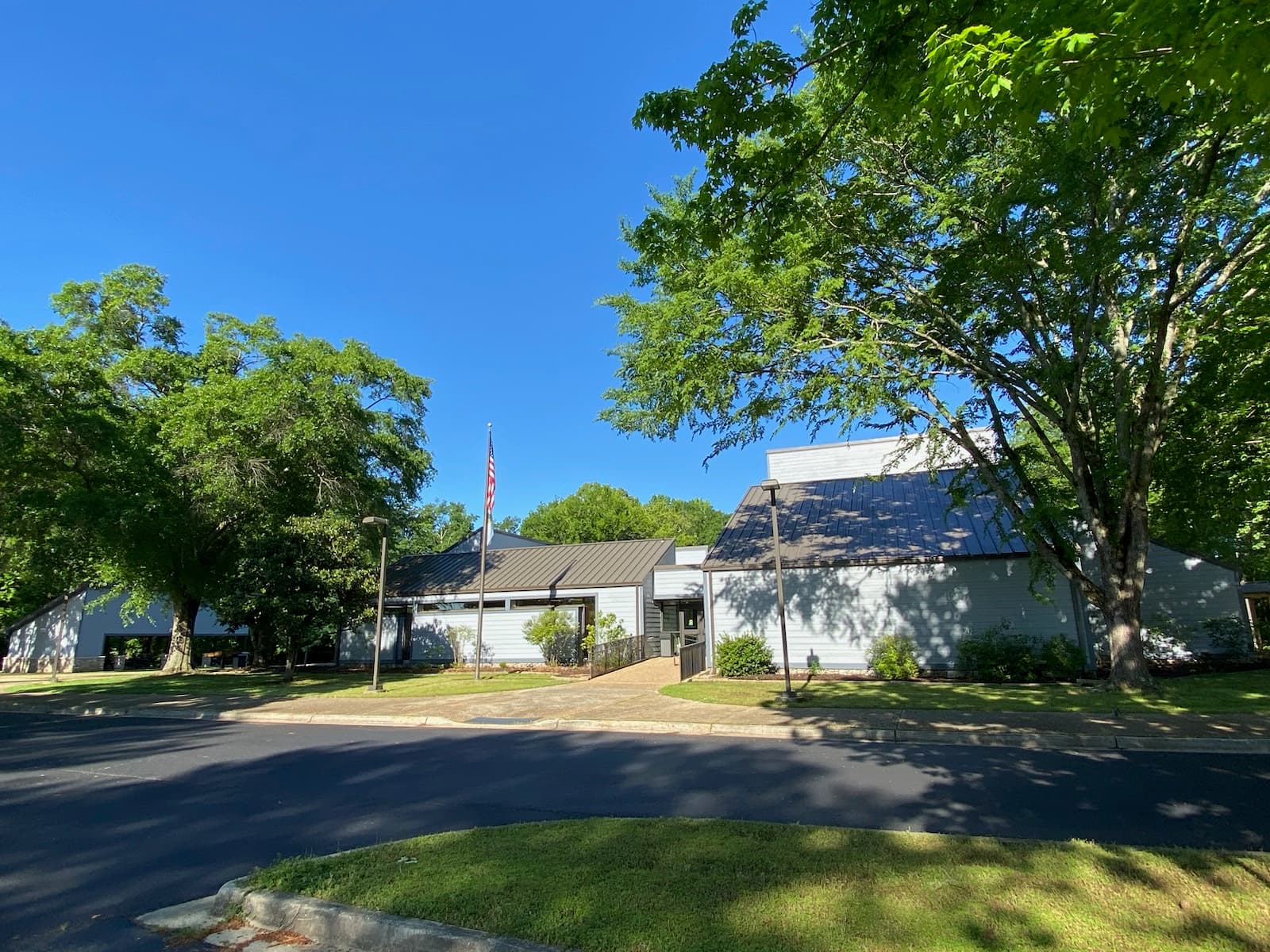
Wheeler Refuge in pictures
How we know
U.S. Fish and Wildlife Service, Wheeler NWR: Species (Seasons of Wildlife) (opens in a new tab) (Sep 28) · U.S. Fish and Wildlife Service, Wheeler NWR: Visit Us (opens in a new tab) (Sep 28) · U.S. Fish and Wildlife Service, Wheeler NWR: Trails (opens in a new tab) (Sep 28) · National Weather Service forecast and alerts (opens in a new tab) (Sep 28)
Questions people ask
When is peak wildflowers in Wheeler National Wildlife Refuge in 2027?
In April the refuge's wildflowers are at their peak, per the Fish and Wildlife Service: Apr 1–30. That's general timing for this place, not a peak date or a forecast.
Is it blooming in Wheeler National Wildlife Refuge right now?
Not now: the wildflowers season is over for this year. The next one starts in about 185 days (Apr 1–30, local timing).
When is the refuge open?
Visitors are welcome during daylight hours.Source: U.S. Fish and Wildlife Service, Wheeler NWR: Visit Us ↗ (opens in a new tab)
When is the visitor center open in spring?
From March to October it's open Tuesday to Saturday, 9 am to 4 pm, and closed Sunday and Monday, buildings and grounds included. From November to February it's open every day, 9 am to 5 pm, except Thanksgiving, Christmas and New Year's Day. The Atkeson Cypress Trail keeps the same hours.Sources: U.S. Fish and Wildlife Service, Wheeler NWR: Visit Us ↗ (opens in a new tab), U.S. Fish and Wildlife Service, Wheeler NWR: Trails ↗ (opens in a new tab)
Can I bike the trails?
Not the Flint Creek or Atkeson Cypress trails. The Hiking & Bicycling Trail near the visitor center road is open to bikes: 2.5 miles each way, daylight hours only.Source: U.S. Fish and Wildlife Service, Wheeler NWR: Trails ↗ (opens in a new tab)
Is there an accessible way to see wildlife?
Yes: the Atkeson Cypress Trail is wheelchair accessible, and so are the 200-yard trail behind the visitor center and the first floor of the Wildlife Observation Building it leads to, which overlooks a wildlife pond.Source: U.S. Fish and Wildlife Service, Wheeler NWR: Trails ↗ (opens in a new tab)
Where are the best spots in Wheeler National Wildlife Refuge?
Flint Creek Trail: a 1.28-mile double loop of boardwalk and dirt through oak-hickory forest with dogwood and red maple, from the Flint Creek Day Use Area on the north side of Hwy 67, less than a quarter mile west of the visitor center entrance; no bikes; Atkeson Cypress Trail: a half-mile, wheelchair-accessible boardwalk loop through a cypress swamp from the south side of the visitor center, back to its parking lot; open only during visitor center hours.
What is Wheeler National Wildlife Refuge like through the year?
Wildflowers at their peak (Apr), Teal migration at its peak; warblers, vireos and other songbirds migrating (Apr), Blue-winged teal migration at its peak (Sep), Fall songbird migration at its peak (Oct), Sandhill cranes: arriving from late November, numbers peak in early January (best seen from the Observation Building) (Nov–Jan) and Visitor center open seven days a week (Nov–Feb).