Sherburne Refugewildflowers
Pasque flowers begin to bloom in April, wild plum, black cherry, chokecherry and dogwood blossoms follow in May, and in June the purple wild lupine and pink wild rose are spectacular on the Wildlife Drive, per the Fish and Wildlife Service (Apr 1–Jun 30). This year's season is over; the next is in 2027.
Right now in Sherburne Refuge · September
- Asters along the Wildlife Drive and the Blue Hill Trail · Sep
- Wildlife Drive open to cars (not during the November firearm deer season) · Apr–Nov
184days to the next wildflowers seasonApr 1–Jun 30, local timing
Sherburne National Wildlife Refuge through the year
- Wildlife sanctuary: only the Wildlife Drive, trails, canoe route and fishing access points openMar–Aug
- Wildlife Drive open to cars (not during the November firearm deer season)NowApr–Nov
- May: Best month for spring migratory birdsMay
- Biting insects: bug spray and long sleeves, June through mid-AugustJun–Aug
- Jun: Wild lupine at peak bloom, early to mid-June, on the Prairie TrailJun
- Jul: Black-eyed Susan, coneflower and prairie clover in the prairie openings; water lilies in the wetlandsJul
- Aug: First blazing star and goldenrodAug
- Sep: Asters along the Wildlife Drive and the Blue Hill TrailNowSep
- Oct: Staging sandhill cranes, usually best in the last two weeks of OctoberOct
Best spots around Sherburne National Wildlife Refuge
- Prairie’s Edge Wildlife DriveSeven miles through oak savanna, prairie and wetland, open to cars April 1 to November 30; for wild lupine at peak bloom in early to mid-June, walk the Prairie Trail at mile 1.5
- Mahnomen TrailThree miles in three loops through prairie, oak savanna and wetland, with a parking lot and restroom at the trailhead off County Road 9, 0.2 miles east of refuge headquarters; open all year
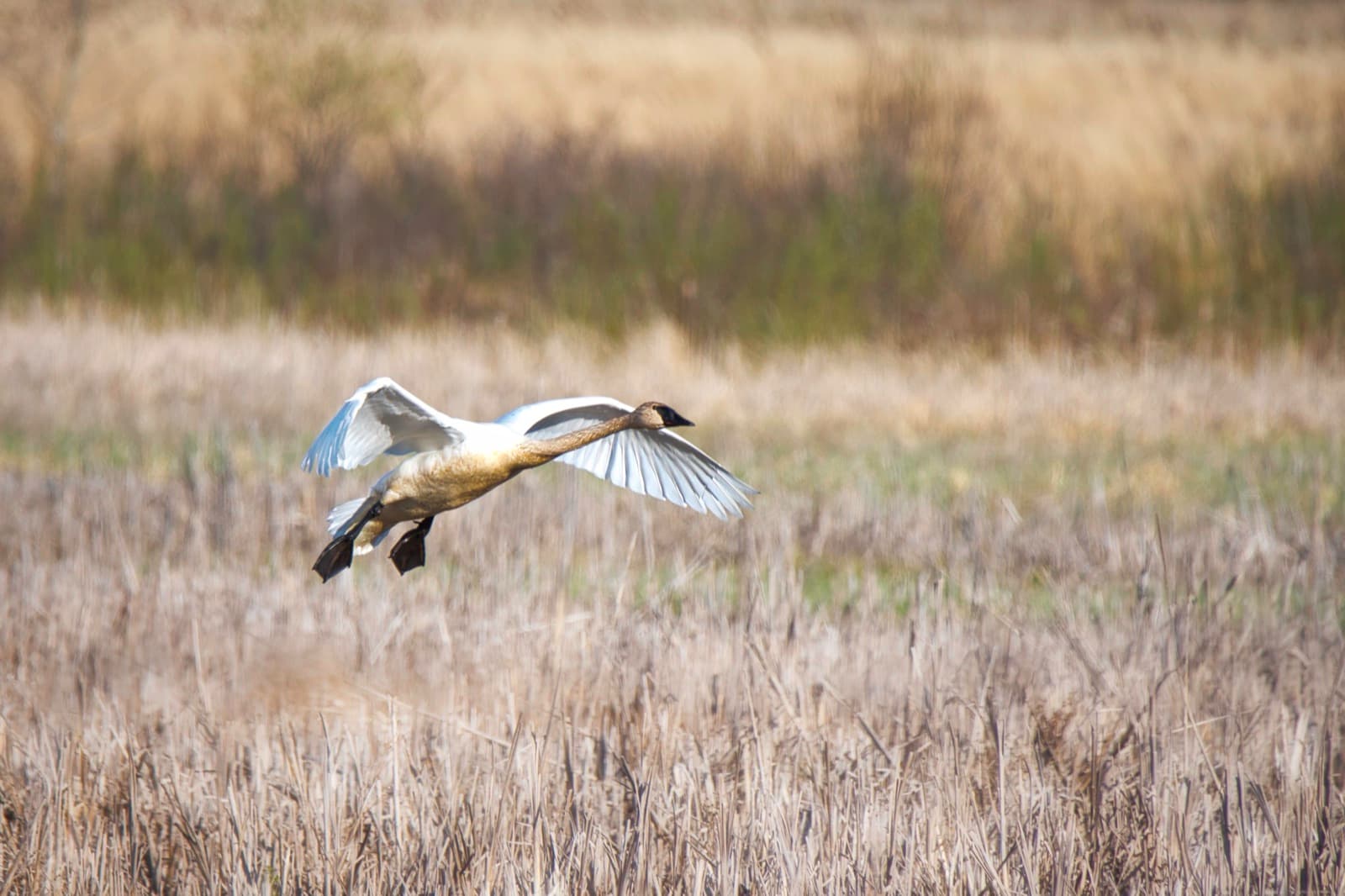
Sherburne Refuge in pictures
How we know
U.S. Fish and Wildlife Service, Sherburne NWR: Species (Seasons of Wildlife) (opens in a new tab) (Sep 28) · U.S. Fish and Wildlife Service, Sherburne NWR: Visit Us (opens in a new tab) (Sep 28) · U.S. Fish and Wildlife Service, Sherburne NWR: Trails (opens in a new tab) (Sep 28) · National Weather Service forecast and alerts (opens in a new tab) (Sep 28)
Questions people ask
When is peak wildflowers in Sherburne National Wildlife Refuge in 2027?
Pasque flowers begin to bloom in April, wild plum, black cherry, chokecherry and dogwood blossoms follow in May, and in June the purple wild lupine and pink wild rose are spectacular on the Wildlife Drive, per the Fish and Wildlife Service: Apr 1–Jun 30. That's general timing for this place, not a peak date or a forecast.
Is it blooming in Sherburne National Wildlife Refuge right now?
Not now: the wildflowers season is over for this year. The next one starts in about 184 days (Apr 1–Jun 30, local timing).
Does it cost anything to visit?
No, there is no charge to visit the refuge.Source: U.S. Fish and Wildlife Service, Sherburne NWR: Visit Us ↗ (opens in a new tab)
Can I wander anywhere in spring?
No. From March 1 to August 31 most of the refuge is a wildlife sanctuary: only the Prairie’s Edge Wildlife Drive, the hiking trails, the designated canoe route and the fishing access points are open. Service roads and off-trail hiking open from September 1 to February 28.Source: U.S. Fish and Wildlife Service, Sherburne NWR: Visit Us ↗ (opens in a new tab)
When can I drive the Wildlife Drive?
Cars can use it from April 1 to November 30, as weather and road conditions allow, except during the November firearm deer season; it's closed to vehicles December 1 to March 31. Walkers and cyclists can use it every day, from half an hour before sunrise to half an hour after sunset.Source: U.S. Fish and Wildlife Service, Sherburne NWR: Visit Us ↗ (opens in a new tab)
What are the refuge's hours?
Refuge lands open daily from half an hour before sunrise to half an hour after sunset. There is no nighttime access, including for stargazing or northern lights.Source: U.S. Fish and Wildlife Service, Sherburne NWR: Visit Us ↗ (opens in a new tab)
Can I bring my dog?
Yes, on a leash: dogs off leash aren't allowed.Source: U.S. Fish and Wildlife Service, Sherburne NWR: Visit Us ↗ (opens in a new tab)
Where are the restrooms?
Flush toilets are at the Oak Savanna Learning Center and inside refuge headquarters; pit toilets are at the Mahnomen and Blue Hill trailheads all year, and at the Bur Oak Welcome Station on the Wildlife Drive from spring through fall.Source: U.S. Fish and Wildlife Service, Sherburne NWR: Visit Us ↗ (opens in a new tab)
What should I bring?
Bug spray, a head net and long sleeves and pants, especially from June through mid-August; in spring be ready for a wide swing in temperatures, and check for ticks when you leave.Source: U.S. Fish and Wildlife Service, Sherburne NWR: Visit Us ↗ (opens in a new tab)
Where are the best spots in Sherburne National Wildlife Refuge?
Prairie’s Edge Wildlife Drive: seven miles through oak savanna, prairie and wetland, open to cars April 1 to November 30; for wild lupine at peak bloom in early to mid-June, walk the Prairie Trail at mile 1.5; Mahnomen Trail: three miles in three loops through prairie, oak savanna and wetland, with a parking lot and restroom at the trailhead off County Road 9, 0.2 miles east of refuge headquarters; open all year.
Are there closures or permits to know about in Sherburne National Wildlife Refuge?
Wildlife sanctuary: only the Wildlife Drive, trails, canoe route and fishing access points open (Mar–Aug).
What is Sherburne National Wildlife Refuge like through the year?
Wild lupine at peak bloom, early to mid-June, on the Prairie Trail (Jun), Black-eyed Susan, coneflower and prairie clover in the prairie openings; water lilies in the wetlands (Jul), First blazing star and goldenrod (Aug), Asters along the Wildlife Drive and the Blue Hill Trail (Sep), Wildlife sanctuary: only the Wildlife Drive, trails, canoe route and fishing access points open (Mar–Aug), Wildlife Drive open to cars (not during the November firearm deer season) (Apr–Nov), Best month for spring migratory birds (May), Biting insects: bug spray and long sleeves, June through mid-August (Jun–Aug) and Staging sandhill cranes, usually best in the last two weeks of October (Oct).