Sleeping Bear Duneswildlife
At Sleeping Bear Dunes National Lakeshore, the timing for wildlife comes in 2 separate phases, each its own display, neither a peak: Flight displays, territories and nesting, From late April through Early June; and Plover chicks on the beach, During June and July. Its usual window for this year has passed.
- April–JuneFlight displays, territories and nestingFrom late April through Early June
- June–JulyPlover chicks on the beachDuring June and July
Your guide to the area
Where to watch
- Platte PointOne of the park's historically notable plover nesting areas, on the southern beaches south of Esch Road. Watch from outside the protection fences; this beach access is closed to pets from April 15 to August 15
- Sleeping Bear PointThe other historically notable mainland nesting area. Watch from outside the fences; pets aren't allowed on the Sleeping Bear Point Trail, and the trail and its beach access are on the park's April 15 to August 15 pet-closure list
Nearby
- Seney Refuge97 mi2 separate phases, from June – Aug. to see wildlife with youngSatWidespread Frost then Mostly Sunny
- Necedah Refuge210 mi3 separate phases, from late MaySatMostly Sunny
- Upper Mississippi River Refuge280 mifrom April to August
- Cuyahoga Valley335 mi5 separate phases, from late February or early MarchSatSlight Chance Rain Showers
- Chautauqua Refuge367 mi2 separate phases, from Late May to early June
- Rice Lake Refuge369 miJune through August
The year at Sleeping Bear Dunes
- Piping plovers on the lakeshore, early April through mid-AugustApr–Aug
- North Manitou Island plover nesting area closed to the public, mid-April to August 15Apr–Aug
- Plover flight displays and nesting, late April through early JuneApr–Jun
- Plover chicks hatch in June and grow up through JulyJun–Jul
- Aug: Port Oneida Fair, the second Friday and Saturday in AugustAug
- Pierce Stocking Scenic Drive closes to cars for winter in late October or early November (weather permitting; open on foot)Oct–Nov
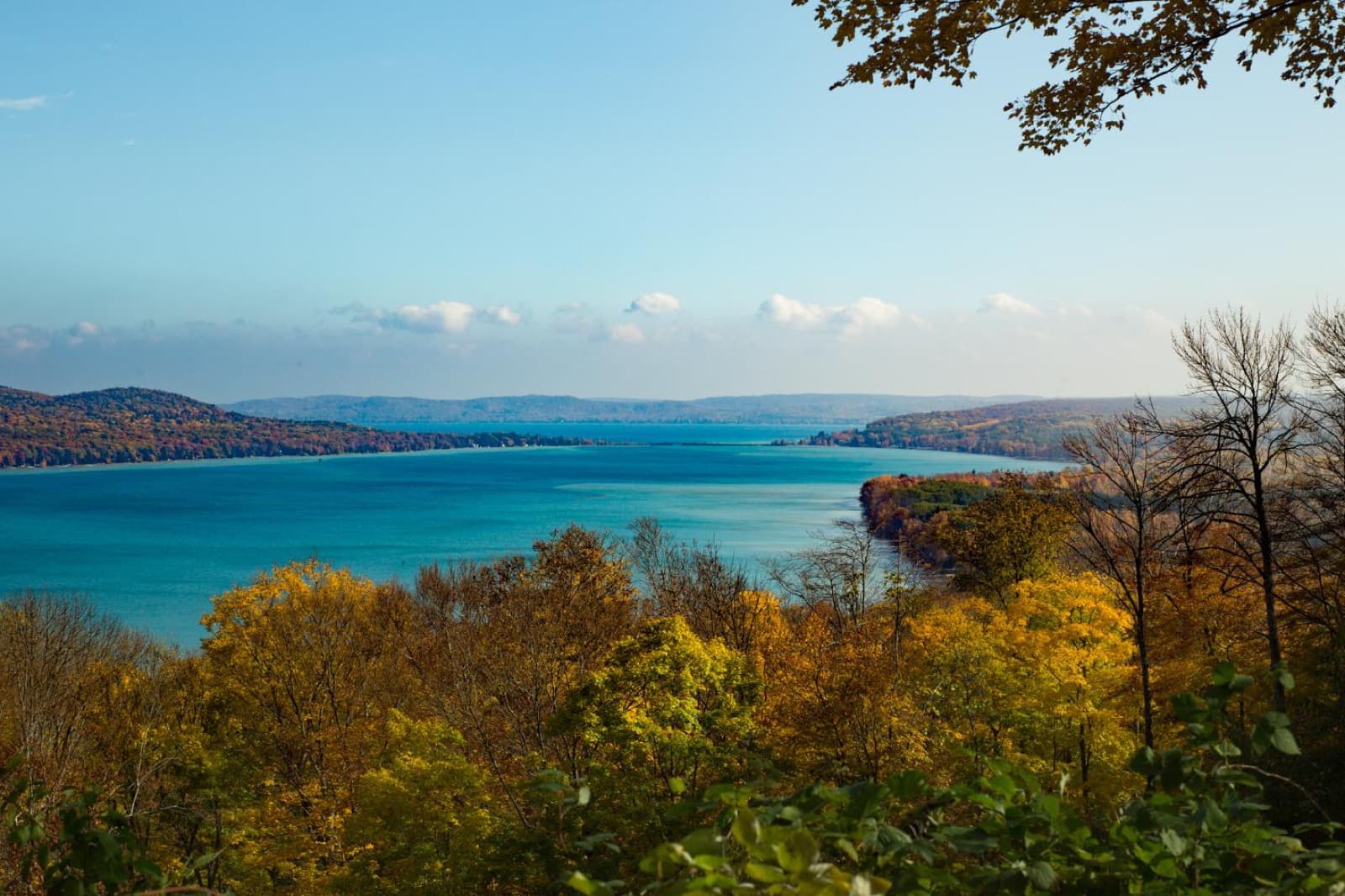
Sleeping Bear Dunes in pictures
Questions people ask
When is the best time to see wildlife at Sleeping Bear Dunes National Lakeshore?
In 2 separate phases, each at its own spot: Flight displays, territories and nesting, From late April through Early June and Plover chicks on the beach, During June and July. They're separate displays, not one long season, and neither is a peak.
Is it the season at Sleeping Bear Dunes National Lakeshore right now?
Not now: its usual wildlife window for this year has passed. Next time: Flight displays, territories and nesting, From late April through Early June.
How do I spot a piping plover?
Be patient: they're sand-colored and well camouflaged. Listen for their peep, and if you hear one, freeze and look for movement. You can watch everything they do from outside the fences.Source: National Park Service, Sleeping Bear Dunes: Piping Plovers ↗ (opens in a new tab)
Can I bring my dog to the plover beaches?
No. The park's pets page lists the beaches south of Esch Road (including Platte Point) and the Sleeping Bear Point Trail and beach access as closed to pets from April 15 to August 15, because plovers treat pets as predators. Where pets are allowed, they must be on a leash no longer than six feet.Source: National Park Service, Sleeping Bear Dunes: Pets in the Park ↗ (opens in a new tab)
Can I visit the North Manitou Island nesting area?
No. For years the most nests have been on North Manitou Island, and that nesting area is completely closed to the public from mid-April to August 15.Source: National Park Service, Sleeping Bear Dunes: Piping Plovers ↗ (opens in a new tab)
What if I find a plover family outside the fence?
Give them room: small chicks disappear against sand and cobble and are easily stepped on. Don't feed gulls or leave food on the beach, since it draws predators.Source: National Park Service, Sleeping Bear Dunes: Piping Plovers ↗ (opens in a new tab)
When do the plovers leave?
Females start flocking and flying south in mid-July, leaving the males with the chicks. Once the chicks are independent in late July, males and chicks leave too, and by late August all have gone.Source: National Park Service, Sleeping Bear Dunes: Piping Plovers ↗ (opens in a new tab)
Is there an entrance fee?
Yes, if you stop at attractions or use park land: a private vehicle pass is $25 for 1 to 7 days, and the park doesn't take cash. Driving straight through on the county and state roads is free.Sources: National Park Service, Sleeping Bear Dunes: Fees & Passes ↗ (opens in a new tab), National Park Service, Sleeping Bear Dunes: FAQs ↗ (opens in a new tab)
Where are the best spots in Sleeping Bear Dunes National Lakeshore?
Platte Point: one of the park's historically notable plover nesting areas, on the southern beaches south of Esch Road. Watch from outside the protection fences; this beach access is closed to pets from April 15 to August 15; Sleeping Bear Point: the other historically notable mainland nesting area. Watch from outside the fences; pets aren't allowed on the Sleeping Bear Point Trail, and the trail and its beach access are on the park's April 15 to August 15 pet-closure list.
When is the festival in Sleeping Bear Dunes National Lakeshore?
Port Oneida Fair, the second Friday and Saturday in August, usually in Aug.
Are there closures or permits to know about in Sleeping Bear Dunes National Lakeshore?
North Manitou Island plover nesting area closed to the public, mid-April to August 15 (Apr–Aug); Pierce Stocking Scenic Drive closes to cars for winter in late October or early November (weather permitting; open on foot) (Oct–Nov).
What is Sleeping Bear Dunes National Lakeshore like through the year?
Piping plovers on the lakeshore, early April through mid-August (Apr–Aug), Plover flight displays and nesting, late April through early June (Apr–Jun), Plover chicks hatch in June and grow up through July (Jun–Jul), North Manitou Island plover nesting area closed to the public, mid-April to August 15 (Apr–Aug), Port Oneida Fair, the second Friday and Saturday in August (Aug) and Pierce Stocking Scenic Drive closes to cars for winter in late October or early November (weather permitting; open on foot) (Oct–Nov).
How we know · Sources (4)
How we know
National Park Service, Sleeping Bear Dunes: Piping Plovers (opens in a new tab) (Sep 30) · National Park Service, Sleeping Bear Dunes: Pets in the Park (opens in a new tab) (Sep 30) · National Park Service, Sleeping Bear Dunes: Fees & Passes (opens in a new tab) (Sep 30) · National Park Service, Sleeping Bear Dunes: FAQs (opens in a new tab) (Sep 30) National Park Service sources: no claim to original U.S. Government works.