Necedah Refugewildlife
At Necedah National Wildlife Refuge, the timing for wildlife comes in 3 separate phases, each its own display, none of them a peak: Karner blue butterflies on Lupine Loop (late May flight), late May; Karner blue butterflies on Lupine Loop (late July flight), late July; and The monarch 'super generation' migrating to Mexico, September through November. No official report yet this season.
- MayKarner blue butterflies on Lupine Loop (late May flight)late May
- JulyKarner blue butterflies on Lupine Loop (late July flight)late July
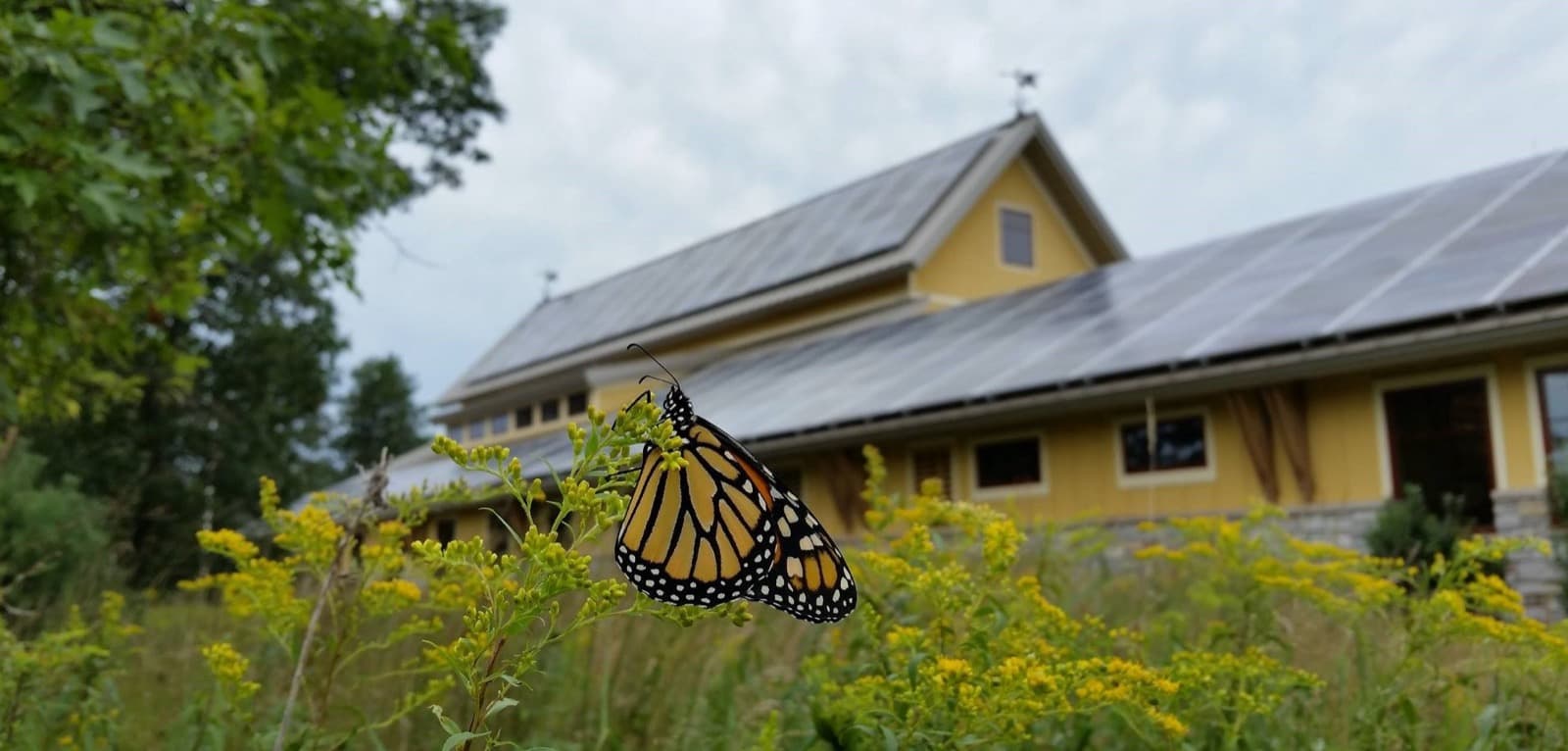
- September–NovemberThe monarch 'super generation' migrating to MexicoSeptember through November
Next 7 days at Necedah Refuge
- TodayChance Rain Showers71° / 59°41% rain
- ThuChance Rain Showers68° / 45°41% rain
- FriMostly Sunny65° / 40°6% rain
- SatMostly Sunny66° / 44°8% rain
- SunMostly Sunny65° / 38°5% rain
- MonSunny62° / 41°1% rain
Today: sunrise 6:58 a.m., sunset 6:45 p.m., light until 7:14 p.m. · moon waning gibbous, 78% lit (our calculation)
Your guide to the area
Where to watch
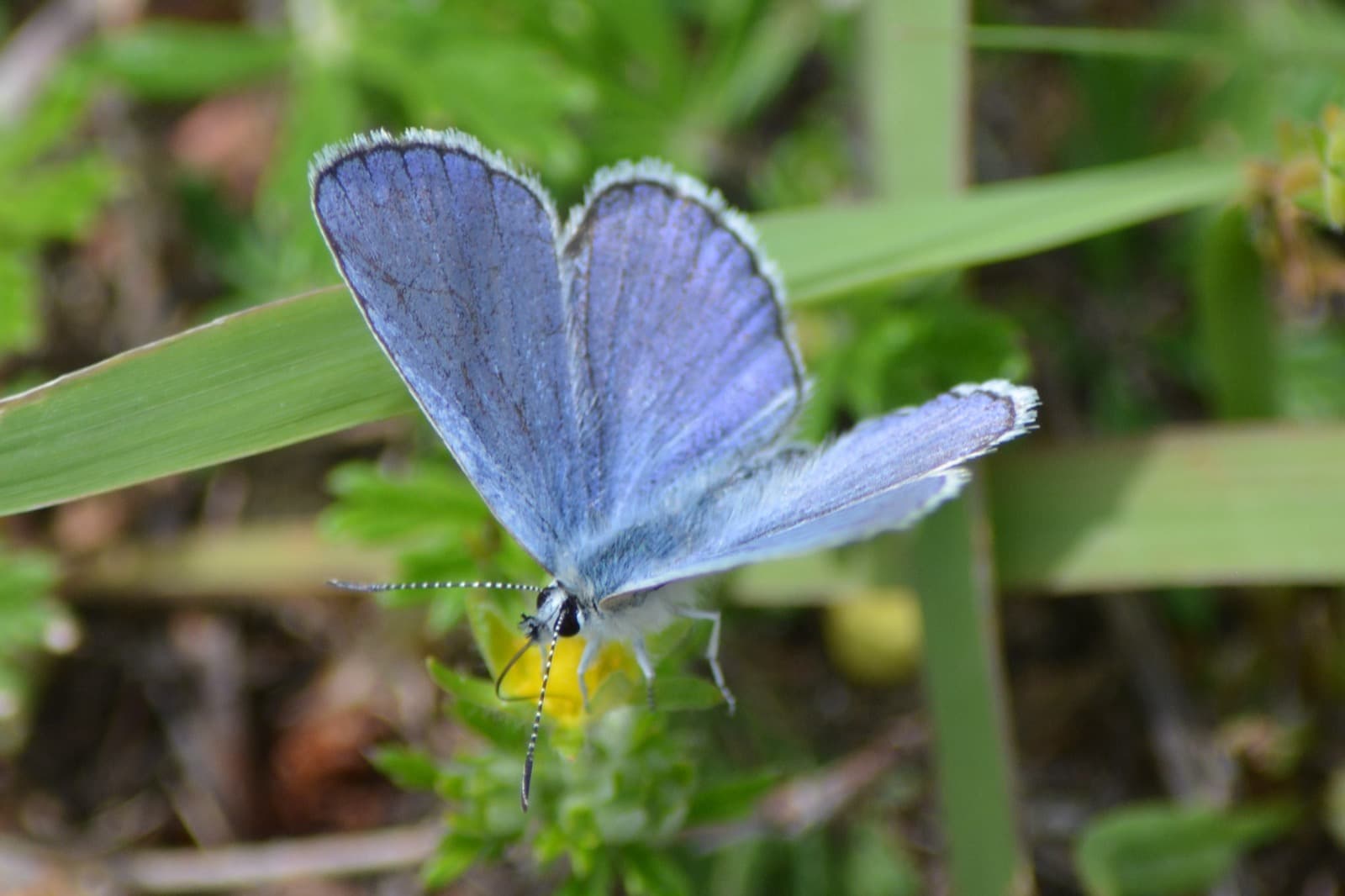
- Lupine LoopThe refuge's trail for Karner blue butterflies: 0.8 mile of gravel and mowed grass north of Goose and Sprague Pools, with a photo blind on the shore
- Visitor Center TrailAccessible trails at the visitor center (the 0.25-mile Muskrat Loop boardwalk and the 0.75-mile Karner Loop) past native plantings and a butterfly garden; Karner blue butterflies and whooping cranes can be seen from the center
Nearby
- Upper Mississippi River Refuge73 mifrom April to August
- Sherburne Refuge199 mi2 separate phases, from June – AugustSatChance Rain Showers
- Sleeping Bear Dunes210 mi2 separate phases, from From late April through Early June
- Rice Lake Refuge229 miJune through August
- Seney Refuge253 mi2 separate phases, from June – Aug. to see wildlife with youngSatWidespread Frost then Mostly Sunny
- Chautauqua Refuge255 mi2 separate phases, from Late May to early June
The year at Necedah Refuge
- Owls court and nest; bald eagles prepare to nestJan–Mar
- Karner caterpillars hatch as the lupine begins to growMar–May
- Mar: Waterfowl begin to return in mid-March, while ice still covers the wetlandsMar
- Mar: Cranes begin to return in mid-MarchMar
- Apr: Purple wild lupine in bloomApr
- Visitor center on its longer summer schedule, Monday to Friday, May to NovemberNowMay–Nov
- Karner blue butterflies on the flowers, late May to late July and into early AugustMay–Aug
- May: Warblers arrive with MayMay
- Warm-season flowers and grasses start to bloomJun–Aug
- Fawns, turkey poults and flightless crane colts out with their parentsJun–Aug
- Egrets appear as fall migration startsJun–Aug
- Fall waterfowl migration peaks (September to November); the last cranes, ducks and swans leave by mid-NovemberNowSep–Nov
- Juncos return for the winter; turkey vultures head southNowSep–Nov
- The monarch 'super generation' migrates to MexicoNowSep–Nov
- Oct: Fall color peaksOct
- Oct: National Wildlife Refuge Week celebrationOct
- Visitor center winter schedule: Tuesday to Thursday, 9 a.m.–3 p.m.Dec–Apr
- Goose Pool open to fishing, December 15 to March 15Dec–Mar
Necedah Refuge in pictures
Questions people ask
When is the best time to see wildlife at Necedah National Wildlife Refuge?
In 3 separate phases, each at its own spot: Karner blue butterflies on Lupine Loop (late May flight), late May, Karner blue butterflies on Lupine Loop (late July flight), late July and The monarch 'super generation' migrating to Mexico, September through November. They're separate displays, not one long season, and none of them is a peak.
Is it the season at Necedah National Wildlife Refuge right now?
There's no official report yet this season.
How do I watch young wildlife without disturbing it?
Keep your distance (usually a football field's length), go in small groups, move softly and slowly, and never feed wildlife. If you find a sick, abandoned or injured animal, leave it where it is and call 608-565-2551.Source: U.S. Fish and Wildlife Service, Necedah NWR: Visit Us ↗ (opens in a new tab)
How big is a Karner blue?
About the size of a quarter. Males have pale blue markings that stand out among the purple lupine; the species is endangered, and its caterpillars depend entirely on wild lupine. Necedah has the world's largest population.Source: U.S. Fish and Wildlife Service, Necedah NWR: Species (Seasons of Wildlife) ↗ (opens in a new tab)
What time of day is best?
Dawn and dusk. Your car makes a good blind too: drive slowly with the windows down and stay seated.Source: U.S. Fish and Wildlife Service, Necedah NWR: Visit Us ↗ (opens in a new tab)
Where are the best spots in Necedah National Wildlife Refuge?
Lupine Loop: the refuge's trail for Karner blue butterflies: 0.8 mile of gravel and mowed grass north of Goose and Sprague Pools, with a photo blind on the shore; Visitor Center Trail: accessible trails at the visitor center (the 0.25-mile Muskrat Loop boardwalk and the 0.75-mile Karner Loop) past native plantings and a butterfly garden; Karner blue butterflies and whooping cranes can be seen from the center.
When is the festival in Necedah National Wildlife Refuge?
National Wildlife Refuge Week celebration, usually in Oct.
What is Necedah National Wildlife Refuge like through the year?
Waterfowl begin to return in mid-March, while ice still covers the wetlands (Mar), Cranes begin to return in mid-March (Mar), Warblers arrive with May (May), Karner blue butterflies on the flowers, late May to late July and into early August (May–Aug), Fall waterfowl migration peaks (September to November); the last cranes, ducks and swans leave by mid-November (Sep–Nov), Visitor center on its longer summer schedule, Monday to Friday, May to November (May–Nov), Fall color peaks (Oct), Juncos return for the winter; turkey vultures head south (Sep–Nov), National Wildlife Refuge Week celebration (Oct), Purple wild lupine in bloom (Apr), Warm-season flowers and grasses start to bloom (Jun–Aug), Karner caterpillars hatch as the lupine begins to grow (Mar–May), Fawns, turkey poults and flightless crane colts out with their parents (Jun–Aug), The monarch 'super generation' migrates to Mexico (Sep–Nov), Owls court and nest; bald eagles prepare to nest (Jan–Mar), Egrets appear as fall migration starts (Jun–Aug), Visitor center winter schedule: Tuesday to Thursday, 9 a.m.–3 p.m. (Dec–Apr) and Goose Pool open to fishing, December 15 to March 15 (Dec–Mar).