Fire Islandwildlife
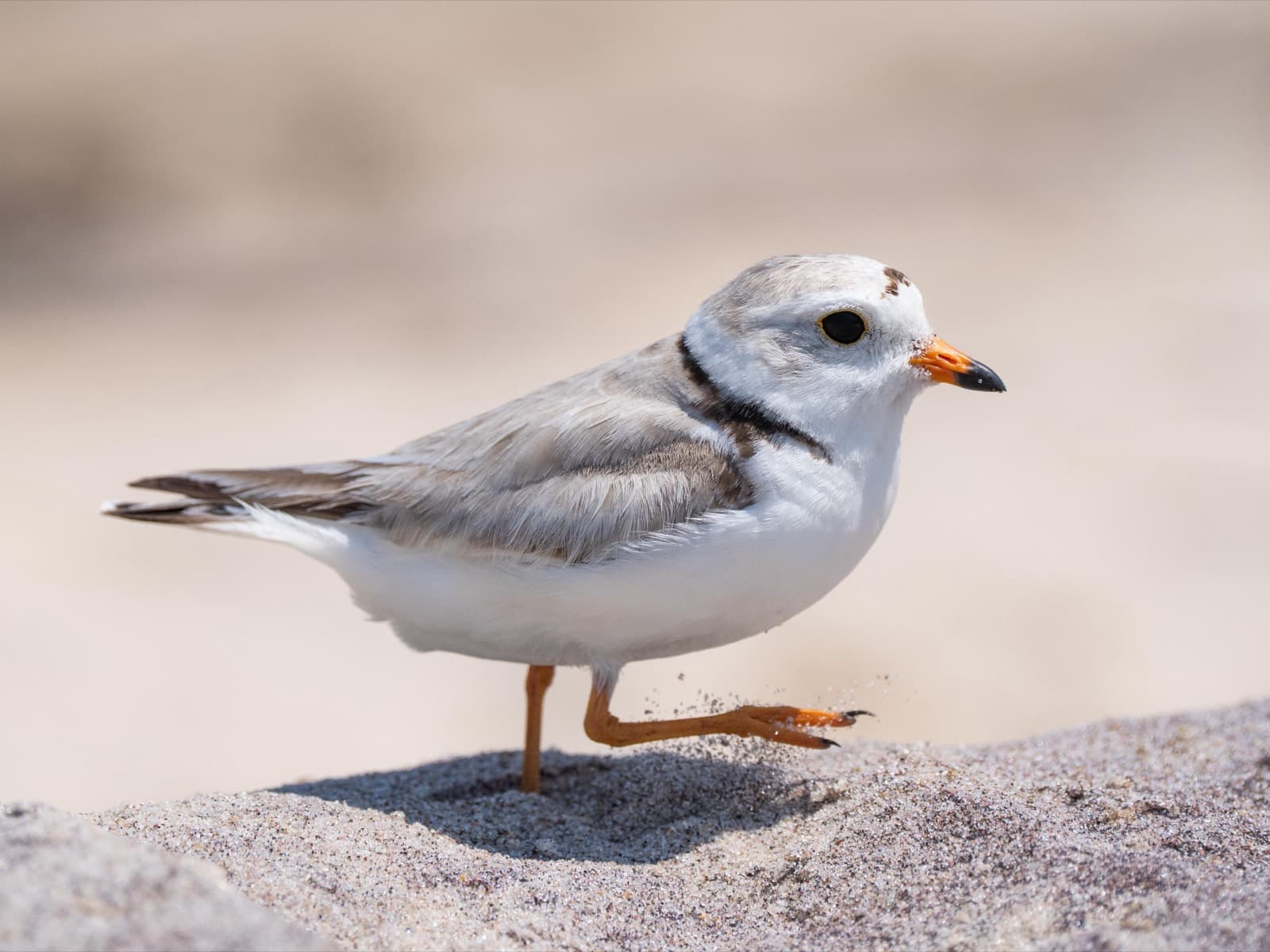
At Fire Island National Seashore, the timing for wildlife comes in 2 separate phases, each its own display, neither a peak: Piping plovers nest on the beaches, from March to September; and Monarch butterflies stop to rest and feed on their way south, From mid-August through late September or early October. No official report yet this season.
- March–SeptemberPiping plovers nest on the beachesfrom March to September
- August–OctoberMonarch butterflies stop to rest and feed on their way southFrom mid-August through late September or early October
Your guide to the area
Where to watch
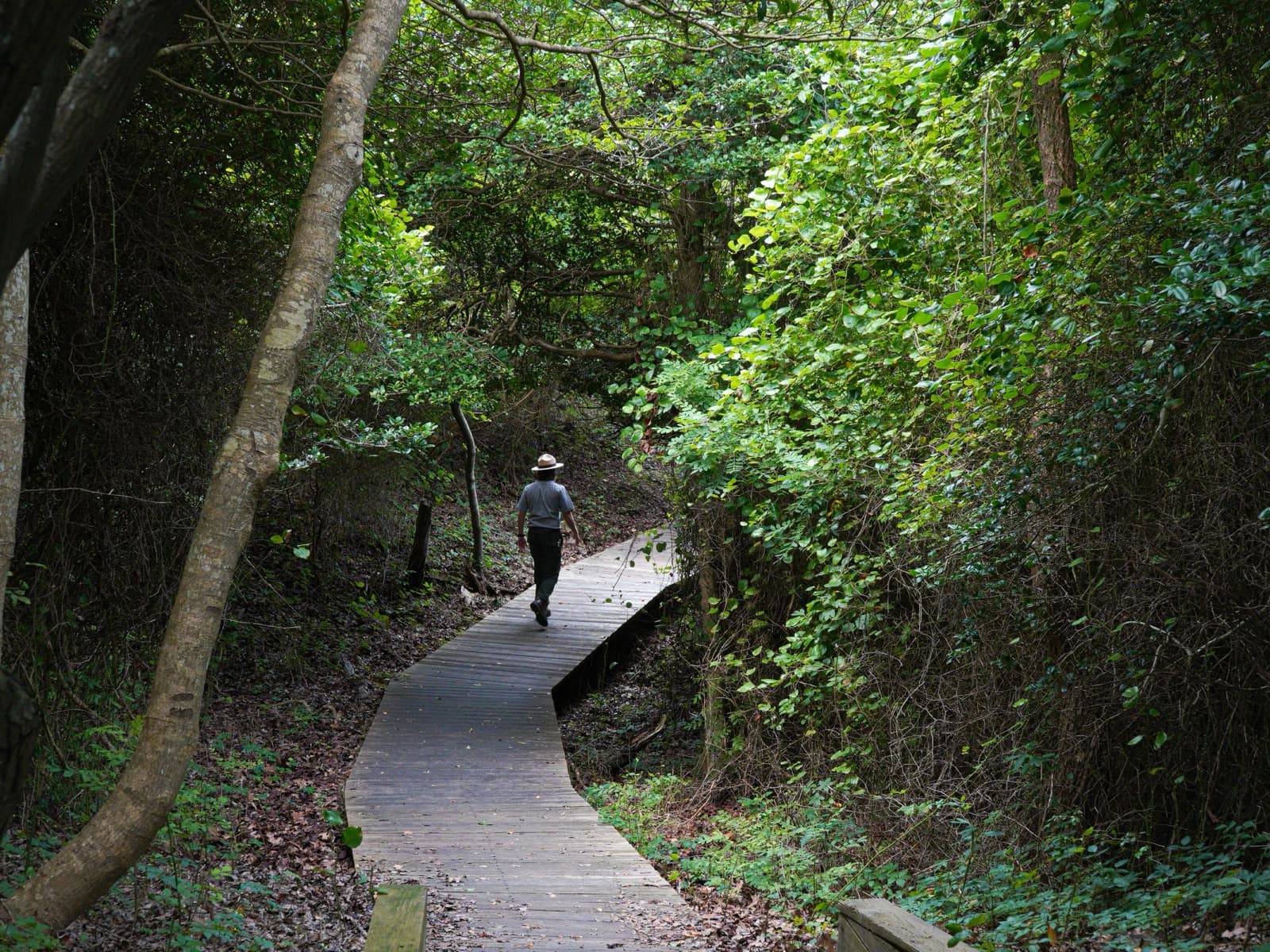
- Sailors Haven and the Sunken ForestA 1.5-mile boardwalk trail through the globally rare Sunken Forest, with a visitor center; reached only by the Sayville Ferry, private boat or on foot (no car access)
- Watch HillFire Island's most extensive salt marsh, at the western edge of the Otis Pike High Dune Wilderness across the bay from Patchogue; a self-guided nature trail and, from May to mid-October, a visitor center and ranger-led programs; ferry, private boat or foot only
- William Floyd EstateThe seashore's mainland unit in Mastic Beach, where monarchs are also found; visitors can explore the grounds and trails
Nearby
- Wertheim Refuge15 mi2 separate phases, from in the spring and summer months (March – September)
- Morton Refuge45 mi3 separate phases, from between mid-March and early April
- Forsythe Refuge109 mi4 separate phases, from in spring (March, April, and May)SatSlight Chance Rain Showers
- Cape May Refuge143 mi2 separate phases, from June, July, and August is the time when our feathered families are raised and fledged
- Cuyahoga Valley443 mi5 separate phases, from late February or early MarchSatSlight Chance Rain Showers
- Carolina Sandhills Refuge576 mi3 separate phases, from April through OctoberSatSlight Chance Rain Showers then Chance Showers And Thunderstorms
The year at Fire Island
- Piping plovers nest on Fire Island's beaches, March to SeptemberNowMar–Sep
- No pets on the ocean beaches while birds nest, March 15 through Labor DayNowMar–Sep
- Watch Hill visitor center, programs and campground, May to mid-OctoberNowMay–Oct
- Old Mastic House tours at the William Floyd Estate, May to SeptemberNowMay–Sep
- Monarchs stop over on their way south, mid-August to late September or early OctoberNowAug–Oct
Fire Island in pictures
Questions people ask
When is the best time to see wildlife at Fire Island National Seashore?
In 2 separate phases: Piping plovers nest on the beaches, from March to September and Monarch butterflies stop to rest and feed on their way south, From mid-August through late September or early October. They're separate displays, not one long season, and neither is a peak.
Is it the season at Fire Island National Seashore right now?
There's no official report yet this season.
Can I bring my dog to the beach?
Not on the ocean beaches from March 15 through Labor Day, the beach-nesting season for piping plovers and least terns (kites are restricted then too). Leashed dogs can use the bayside beaches at the Lighthouse, Sailors Haven, Talisman/Barrett Beach and Watch Hill, and the trails at Watch Hill.Sources: National Park Service, Fire Island National Seashore: Pets ↗ (opens in a new tab), National Park Service, Fire Island National Seashore: Watch Hill ↗ (opens in a new tab)
Is there an entrance fee?
The National Park Service charges no fee to enter the seashore, but plan on ferry fares or parking fees at the neighboring state and county parks to reach most of Fire Island.Source: National Park Service, Fire Island National Seashore: Fees & Passes ↗ (opens in a new tab)
How do I get to Sailors Haven or Watch Hill?
By ferry (the Sayville Ferry to Sailors Haven, the Davis Park Ferry from Patchogue to Watch Hill), by private boat, or on foot: there's no car access to either.Sources: National Park Service, Fire Island National Seashore: Sailors Haven ↗ (opens in a new tab), National Park Service, Fire Island National Seashore: Watch Hill ↗ (opens in a new tab), National Park Service, Fire Island National Seashore: Fees & Passes ↗ (opens in a new tab)
What do the monarchs feed on here?
Nectar from seaside goldenrod, dogbane, asters, common boneset and groundsel tree; swamp milkweed and common milkweed are the host plants for their caterpillars.Source: National Park Service, Fire Island National Seashore: Monarch Butterflies ↗ (opens in a new tab)
Is there water and a restroom in the fall?
At Sailors Haven and Watch Hill, drinking water and restrooms are shut off each year on the last Thursday in October.Sources: National Park Service, Fire Island National Seashore: Sailors Haven ↗ (opens in a new tab), National Park Service, Fire Island National Seashore: Watch Hill ↗ (opens in a new tab)
Where are the best spots in Fire Island National Seashore?
Sailors Haven and the Sunken Forest: a 1.5-mile boardwalk trail through the globally rare Sunken Forest, with a visitor center; reached only by the Sayville Ferry, private boat or on foot (no car access); Watch Hill: fire Island's most extensive salt marsh, at the western edge of the Otis Pike High Dune Wilderness across the bay from Patchogue; a self-guided nature trail and, from May to mid-October, a visitor center and ranger-led programs; ferry, private boat or foot only; William Floyd Estate: the seashore's mainland unit in Mastic Beach, where monarchs are also found; visitors can explore the grounds and trails.
Are there closures or permits to know about in Fire Island National Seashore?
No pets on the ocean beaches while birds nest, March 15 through Labor Day (Mar–Sep).
What is Fire Island National Seashore like through the year?
Piping plovers nest on Fire Island's beaches, March to September (Mar–Sep), Monarchs stop over on their way south, mid-August to late September or early October (Aug–Oct), No pets on the ocean beaches while birds nest, March 15 through Labor Day (Mar–Sep), Watch Hill visitor center, programs and campground, May to mid-October (May–Oct) and Old Mastic House tours at the William Floyd Estate, May to September (May–Sep).
How we know · Sources (6)
How we know
National Park Service, Fire Island National Seashore: park data (visitor centers and photos) (opens in a new tab) (Sep 30) · National Park Service, Fire Island National Seashore: Monarch Butterflies (opens in a new tab) (Sep 30) · National Park Service, Fire Island National Seashore: Pets (opens in a new tab) (Sep 30) · National Park Service, Fire Island National Seashore: Watch Hill (opens in a new tab) (Sep 30) · National Park Service, Fire Island National Seashore: Fees & Passes (opens in a new tab) (Sep 30) · National Park Service, Fire Island National Seashore: Sailors Haven (opens in a new tab) (Sep 30) National Park Service sources: no claim to original U.S. Government works.