Morton Refugewildlife
At Elizabeth A. Morton National Wildlife Refuge, the timing for wildlife comes in 3 separate phases, each its own display, none of them a peak: Piping plovers arrive, between mid-March and early April; Piping plovers use the refuge most: nesting families plus plovers from other areas, The heaviest use of the refuge by plovers occurs in July; and Ospreys along the shoreline, in the spring and summer months (March – September). No official report yet this season.
- March–AprilPiping plovers arrivebetween mid-March and early April
- JulyPiping plovers use the refuge most: nesting families plus plovers from other areasThe heaviest use of the refuge by plovers occurs in July
- March–SeptemberOspreys along the shorelinein the spring and summer months (March – September)
Your guide to the area
Where to watch
- Wild Birds Nature TrailA self-guided 1.2-mile trail through woodland onto the beach, where most visitors watch wildlife; restrooms at the Visitor Contact Station at its start
- Elevated beach viewing platformAn elevated platform at the beach with a view over Little Peconic Bay, Noyack Bay and the wildlife of the Jessup's Neck Peninsula
Nearby
- Wertheim Refuge30 mi2 separate phases, from in the spring and summer months (March – September)
- Fire Island45 mi2 separate phases, from from March to September
- Forsythe Refuge152 mi4 separate phases, from in spring (March, April, and May)SatSlight Chance Rain Showers
- Cape May Refuge186 mi2 separate phases, from June, July, and August is the time when our feathered families are raised and fledged
- Cuyahoga Valley478 mi5 separate phases, from late February or early MarchSatSlight Chance Rain Showers
- Carolina Sandhills Refuge620 mi3 separate phases, from April through OctoberSatSlight Chance Rain Showers then Chance Showers And Thunderstorms
The year at Morton Refuge
- Ospreys along the shoreline, March to SeptemberNowMar–Sep
- Piping plovers arrive, mid-March to early AprilMar–Apr
- Mar: Harbor seals on the beach in MarchMar
- Part of the beach closed for nesting birds, April to AugustApr–Aug
- Jul: Heaviest use of the refuge by piping plovers, JulyJul
- Best times to see waterfowl: late October through early AprilOct–Apr
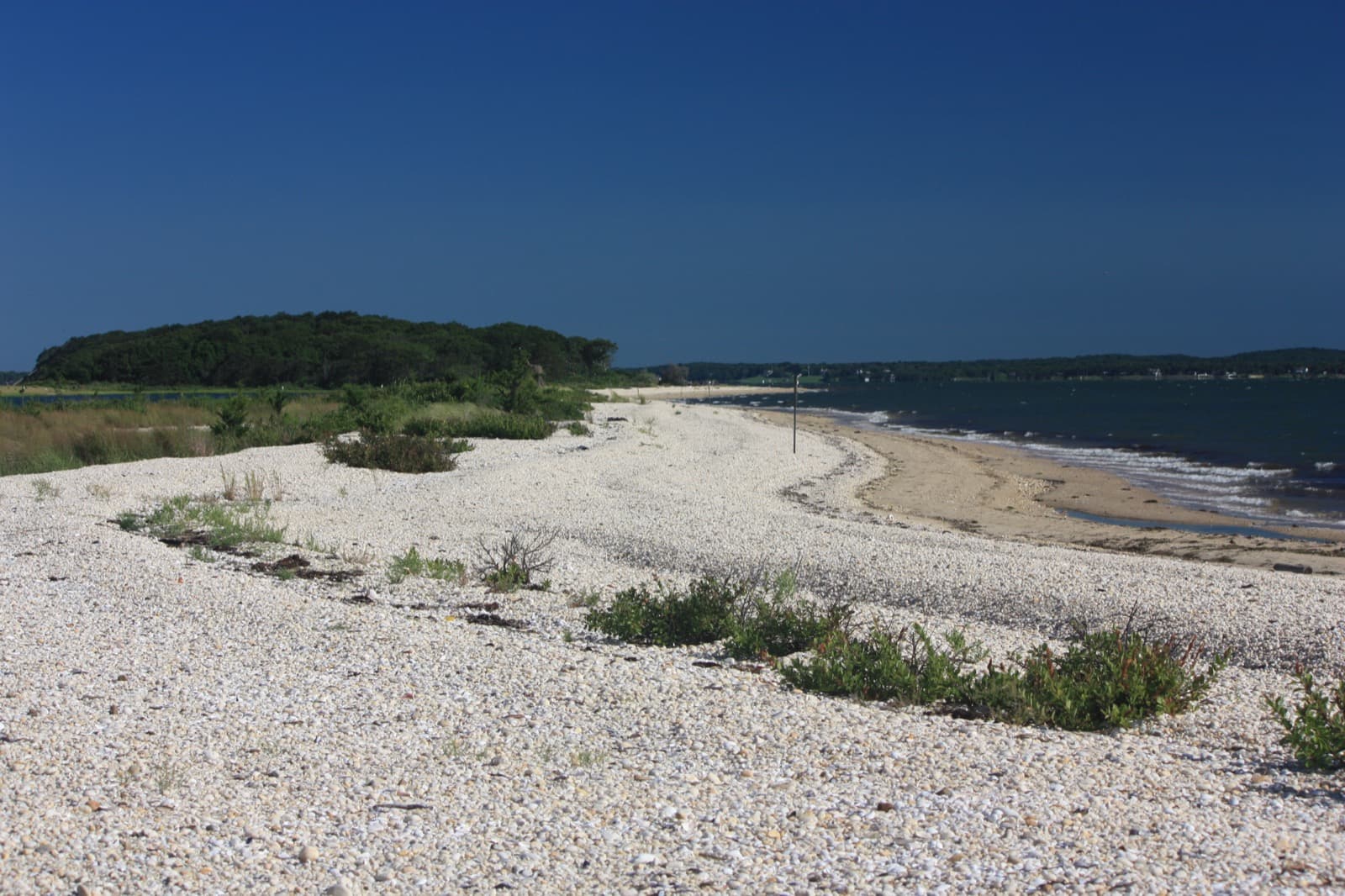
Morton Refuge in pictures
Questions people ask
When is the best time to see wildlife at Elizabeth A. Morton National Wildlife Refuge?
In 3 separate phases: Piping plovers arrive, between mid-March and early April, Piping plovers use the refuge most: nesting families plus plovers from other areas, The heaviest use of the refuge by plovers occurs in July and Ospreys along the shoreline, in the spring and summer months (March – September). They're separate displays, not one long season, and none of them is a peak.
Is it the season at Elizabeth A. Morton National Wildlife Refuge right now?
There's no official report yet this season.
Can I walk the beach while plovers are nesting?
Part of it. A portion of the beach is closed from April to August to protect nesting birds; binoculars help you see the beach wildlife from outside the closure. The rest of the beach runs almost two miles along Jessup's Neck.Source: U.S. Fish and Wildlife Service, Elizabeth A. Morton NWR: Visit Us ↗ (opens in a new tab)
Can I feed the birds?
Please don't. The refuge says hand-feeding has harmed piping plovers, American oystercatchers and least terns: seed and food draw raccoons and rats that eat chicks and eggs. Don't leave food behind either.Source: U.S. Fish and Wildlife Service, Elizabeth A. Morton NWR: Visit Us ↗ (opens in a new tab)
Is there a fee?
Yes: $4 per vehicle or $2 on foot or bike, or a $12 annual refuge pass. A current Federal Duck Stamp also covers the entrance fee.Source: U.S. Fish and Wildlife Service, Elizabeth A. Morton NWR: Visit Us ↗ (opens in a new tab)
When is it open, and can I bring my dog?
It's open from half an hour before sunrise to half an hour after sunset. No pets are allowed, because they disturb wildlife.Source: U.S. Fish and Wildlife Service, Elizabeth A. Morton NWR: Visit Us ↗ (opens in a new tab)
Which terns will I see?
Terns are very visible in late spring and early summer: common and least terns (both threatened in New York State) and the federally endangered roseate tern. The Morton peninsula is a favorite resting and staging spot for them.Source: U.S. Fish and Wildlife Service, Elizabeth A. Morton NWR: Species ↗ (opens in a new tab)
Where are the best spots in Elizabeth A. Morton National Wildlife Refuge?
Wild Birds Nature Trail: a self-guided 1.2-mile trail through woodland onto the beach, where most visitors watch wildlife; restrooms at the Visitor Contact Station at its start; Elevated beach viewing platform: an elevated platform at the beach with a view over Little Peconic Bay, Noyack Bay and the wildlife of the Jessup's Neck Peninsula.
Are there closures or permits to know about in Elizabeth A. Morton National Wildlife Refuge?
Part of the beach closed for nesting birds, April to August (Apr–Aug).
What is Elizabeth A. Morton National Wildlife Refuge like through the year?
Ospreys along the shoreline, March to September (Mar–Sep), Piping plovers arrive, mid-March to early April (Mar–Apr), Heaviest use of the refuge by piping plovers, July (Jul), Part of the beach closed for nesting birds, April to August (Apr–Aug), Harbor seals on the beach in March (Mar) and Best times to see waterfowl: late October through early April (Oct–Apr).