Muleshoe Refugewinter wildlife
Wildlife refugeAt Muleshoe National Wildlife Refuge, sandhill cranes: they typically start arriving in September, with peak numbers between December and February, per the Fish and Wildlife Service. Its usual window for this year has passed.
Updated
Sources for this timing ↓About Muleshoe Refuge
- What it is
- A wildlife refuge in Texas
- A little history
- President Roosevelt signed the order establishing it in 1935, as a sanctuary for migratory birds.
- What you'll see
- Sandhill cranes · usual peak Dec–Feb
Right now at Muleshoe Refuge
Right now in Muleshoe Refuge · October
- Deer and coyotes · all year
Your guide to the area
Places on this map, as a list
Where to watch
Paul's Lake Overlook
Best spot
Observation platform at Paul's Lake, one of the lakes cranes use as winter roosts; restrooms at the overlook
White Lake
Best spot
A salt lake that's an important winter roost for lesser sandhill cranes
Worth the drive
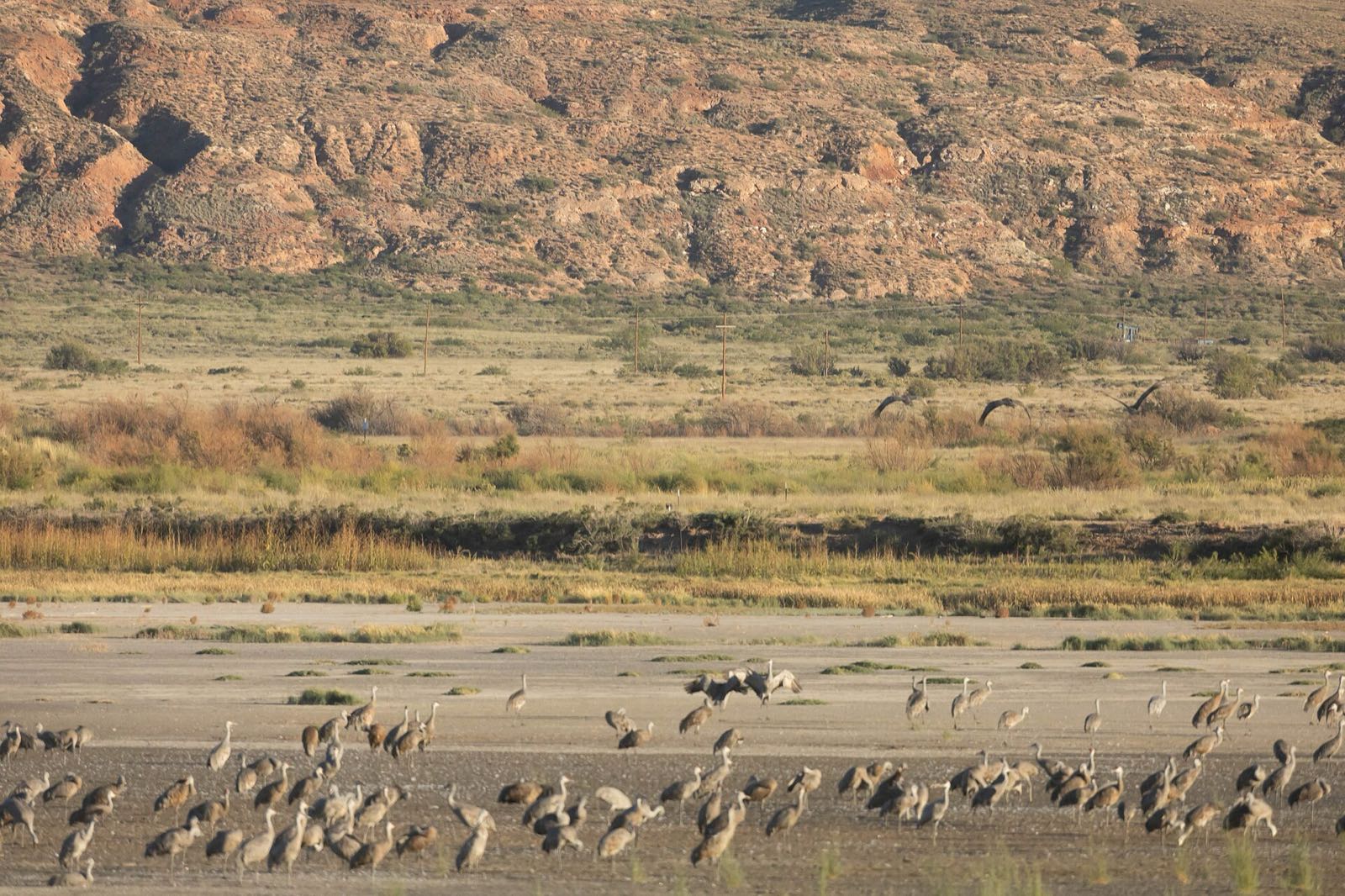
Sandhill cranes in New MexicoWildlife refuge
100 mi · Sat: Mostly Cloudy
Season: October through DecemberU.S. Fish and Wildlife Service ↗
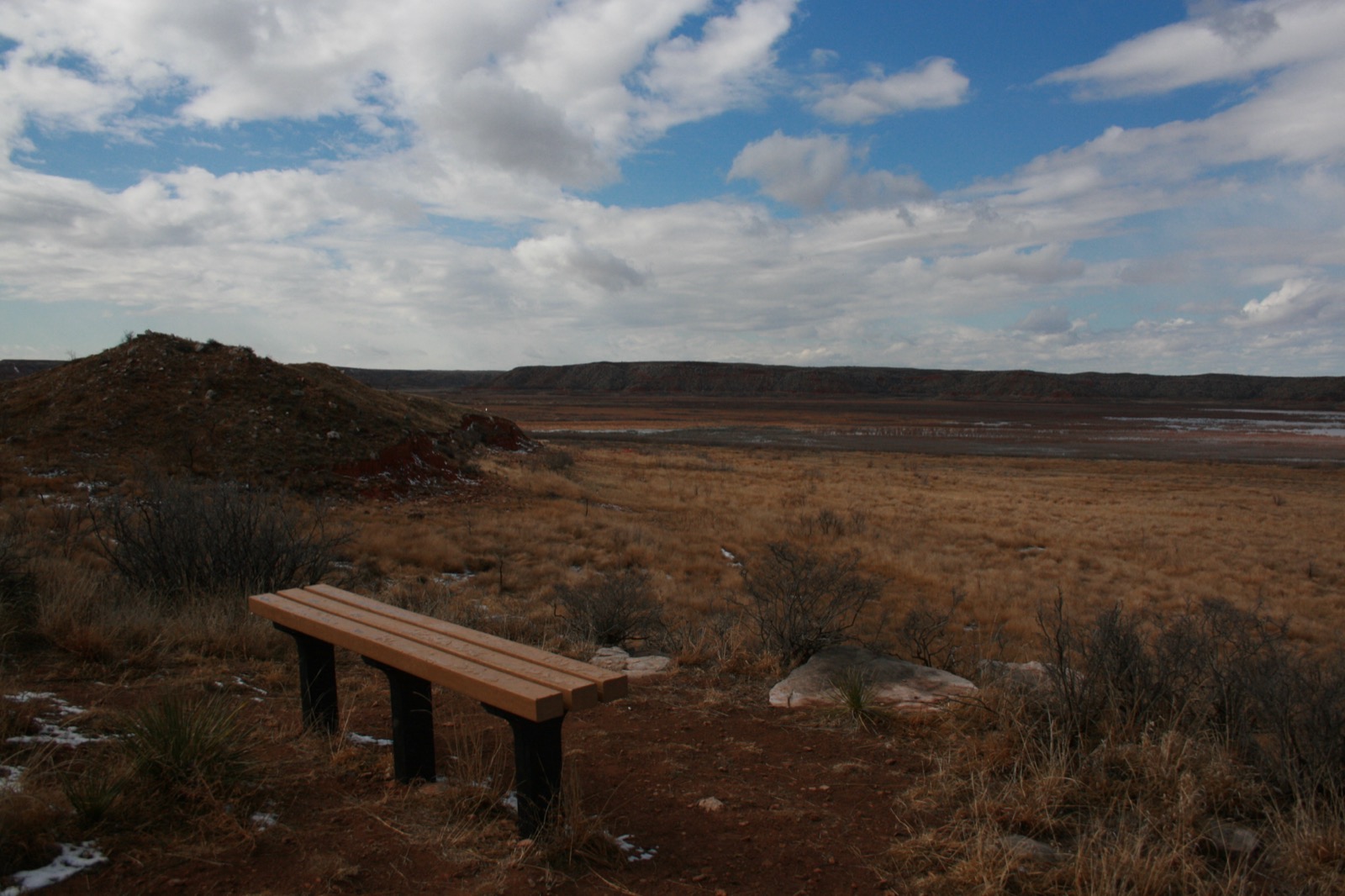
Eagles, ospreys and cranes in TexasNational Recreation Area
134 mi · Sat: Mostly Sunny
Season: September and OctoberNational Park Service ↗
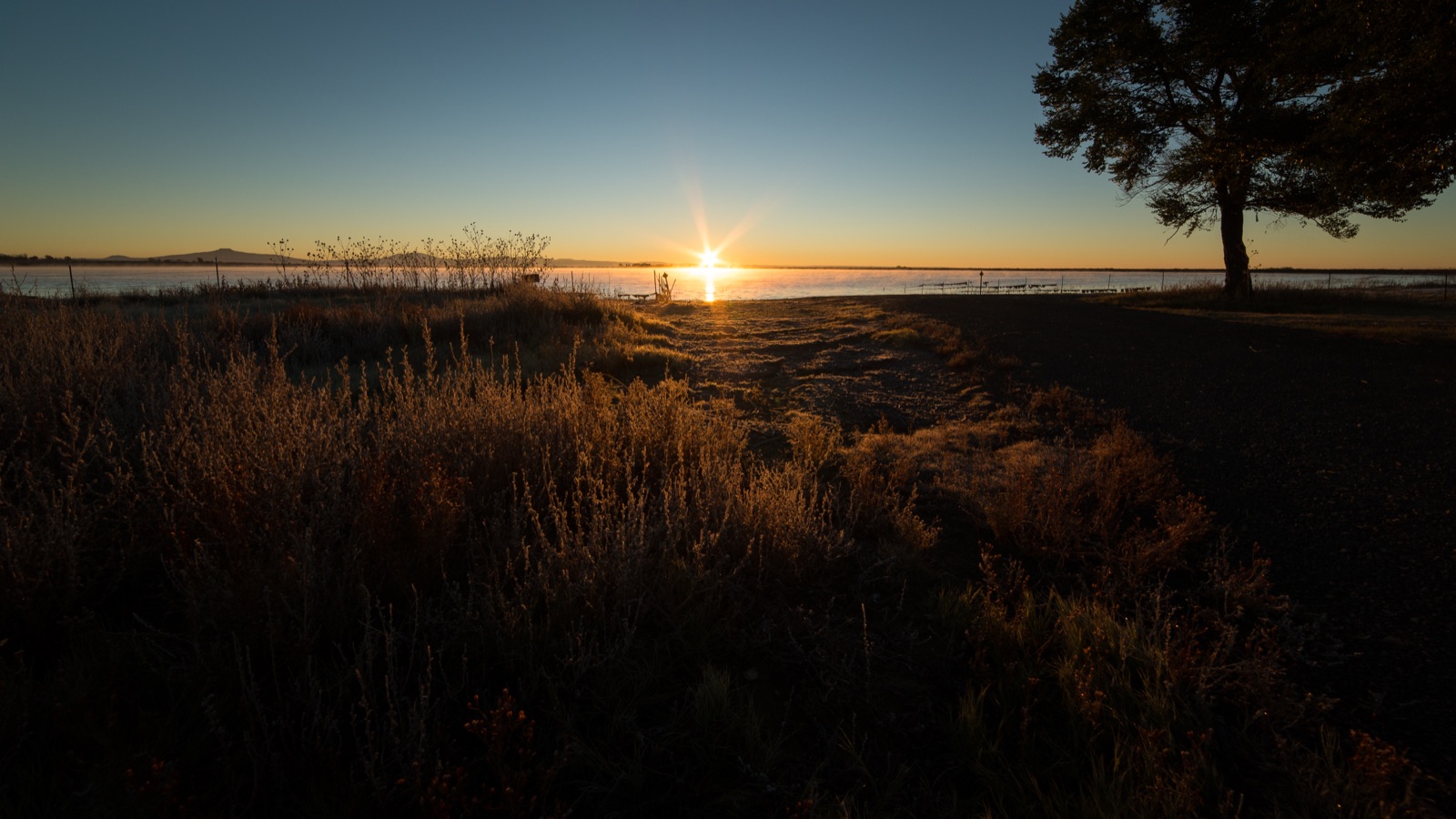
Bald eagles in New MexicoWildlife refuge
207 mi · Sat: Mostly Sunny
Season: Oct–FebU.S. Fish and Wildlife Service ↗
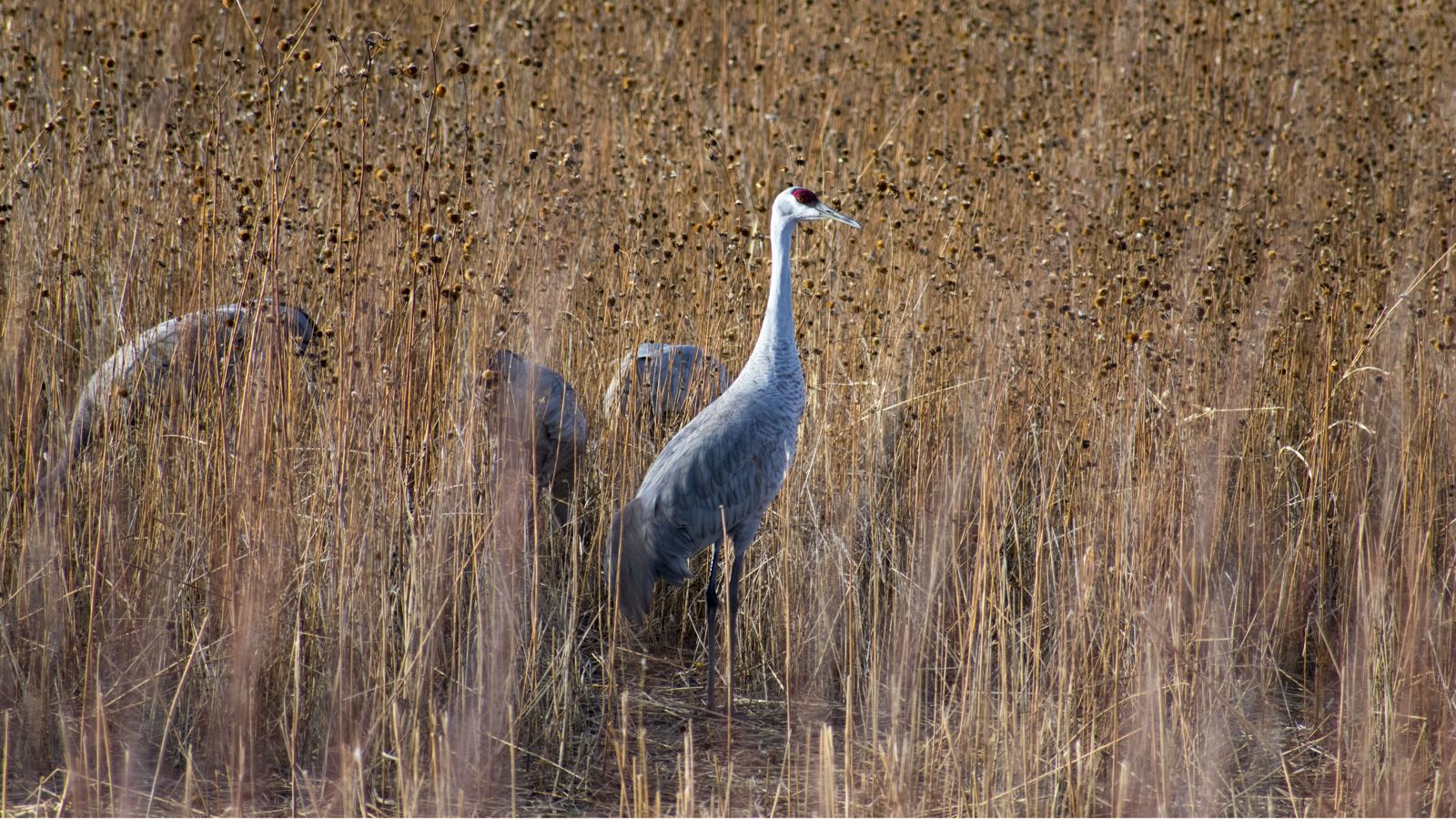
Sandhill cranes in New MexicoWildlife refuge
236 mi · Sat: Sunny
Season: Late October through late JanuaryU.S. Fish and Wildlife Service ↗
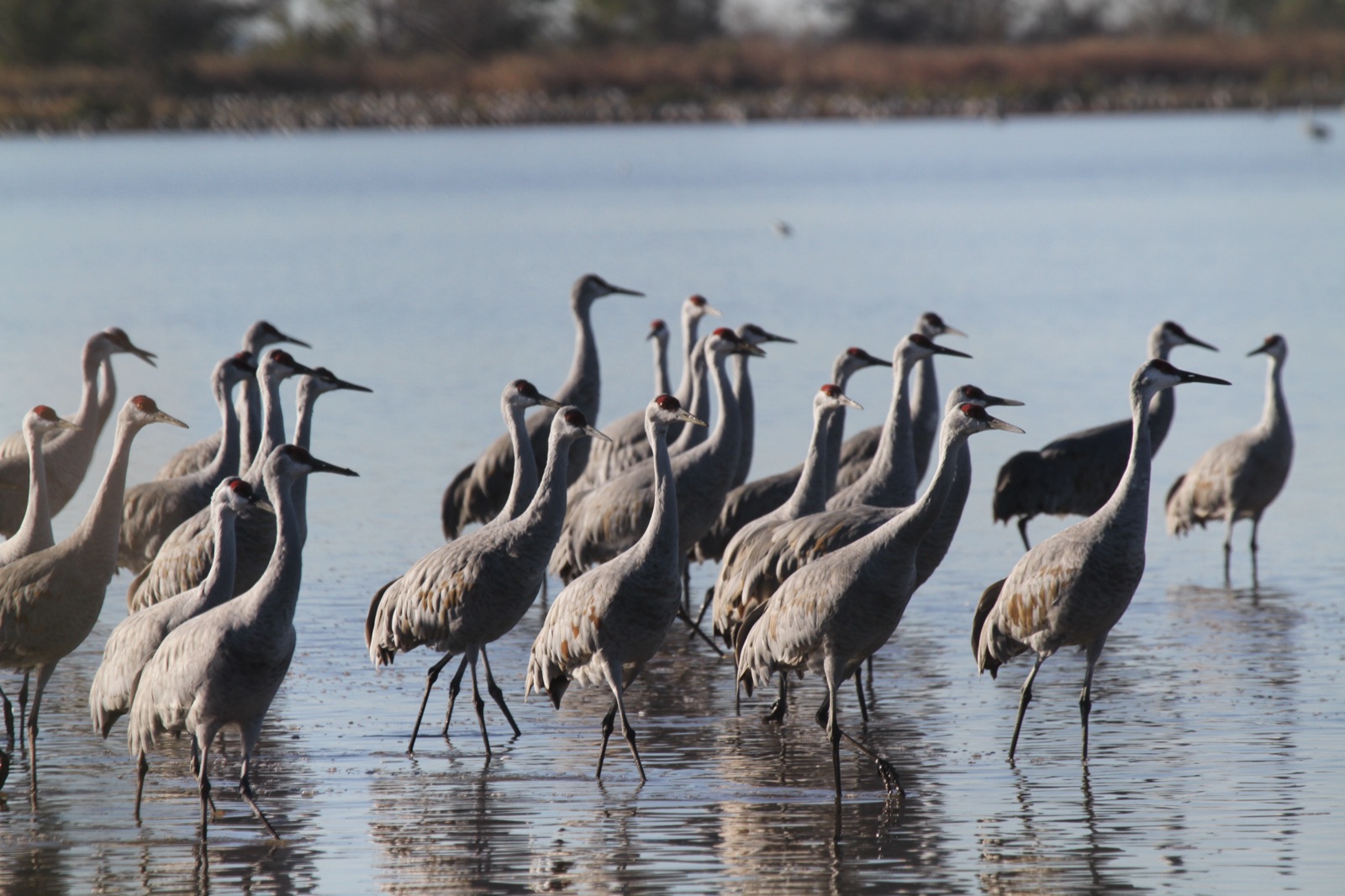
Cranes and eagles in OklahomaWildlife refuge
324 mi · Sat: Partly Sunny
In stages: October through AprilU.S. Fish and Wildlife Service ↗
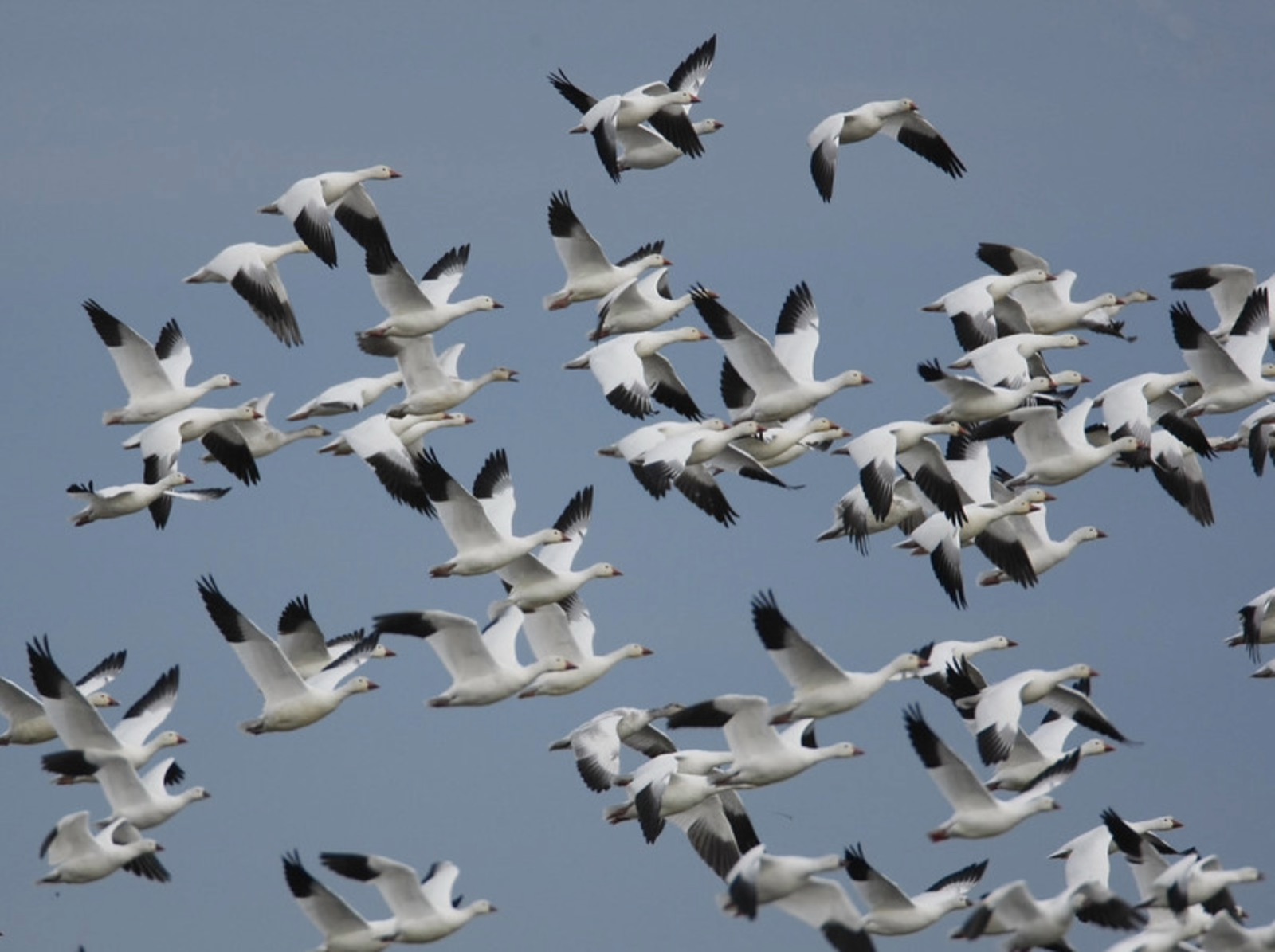
Teal and geese in TexasWildlife refuge
346 mi · Sat: Showers And Thunderstorms Likely
In stages: November to late FebruaryU.S. Fish and Wildlife Service ↗
The year at Muleshoe Refuge
- Deer and coyotesNowall year
- Orioles, flycatchers and sparrows; quail; snakes and horned lizardsspring and summer
- Sandhill cranes: peak numbers (arriving from September)between December and February
Questions people ask
When is the best time to see wildlife at Muleshoe National Wildlife Refuge?
Sandhill cranes: they typically start arriving in September, with peak numbers between December and February, per the Fish and Wildlife Service: between December and February. That's general timing for this place, not a peak date or a forecast.
Is it wildlife season at Muleshoe National Wildlife Refuge right now?
Not now: its usual winter wildlife window for this year has passed. Next time: between December and February, local timing.
When are the most cranes at Muleshoe?
They typically start arriving in September, and numbers peak between December and February. About 15 percent of the lesser sandhill crane population depends on the refuge between fall and spring.Sources: U.S. Fish and Wildlife Service, Muleshoe National Wildlife Refuge ↗ (opens in a new tab), U.S. Fish and Wildlife Service, Muleshoe National Wildlife Refuge ↗ (opens in a new tab)
Where do the cranes roost?
On the refuge's lakes: Paul's Lake, White Lake and Goose Lake are winter roosts.Source: U.S. Fish and Wildlife Service, Muleshoe National Wildlife Refuge ↗ (opens in a new tab)
Can I camp at Muleshoe?
Yes: the refuge offers a quiet place to camp, with restrooms in the campground.Source: U.S. Fish and Wildlife Service, Muleshoe National Wildlife Refuge ↗ (opens in a new tab)
How old is the refuge?
President Roosevelt signed the order establishing it in 1935, as a sanctuary for migratory birds.Source: U.S. Fish and Wildlife Service, Muleshoe National Wildlife Refuge ↗ (opens in a new tab)
Where are the best spots in Muleshoe National Wildlife Refuge?
Paul's Lake Overlook: observation platform at Paul's Lake, one of the lakes cranes use as winter roosts; restrooms at the overlook; White Lake: a salt lake that's an important winter roost for lesser sandhill cranes.
What is Muleshoe National Wildlife Refuge like through the year?
Sandhill cranes: peak numbers (arriving from September) (Dec–Feb), Orioles, flycatchers and sparrows; quail; snakes and horned lizards (Mar–Aug) and Deer and coyotes (Jan–Dec).
How we know · Sources (5)
How we know
U.S. Fish and Wildlife Service, Paul's Lake Observation Platform (opens in a new tab) (Oct 2) · U.S. Fish and Wildlife Service, White Lake Parking (opens in a new tab) (Oct 2) · U.S. Fish and Wildlife Service, Muleshoe National Wildlife Refuge (opens in a new tab) (Oct 1) · U.S. Fish and Wildlife Service, Muleshoe National Wildlife Refuge (opens in a new tab) (Oct 1) · U.S. Fish and Wildlife Service, Muleshoe National Wildlife Refuge (opens in a new tab) (Sep 30)