Hagerman Refugewinter wildlife
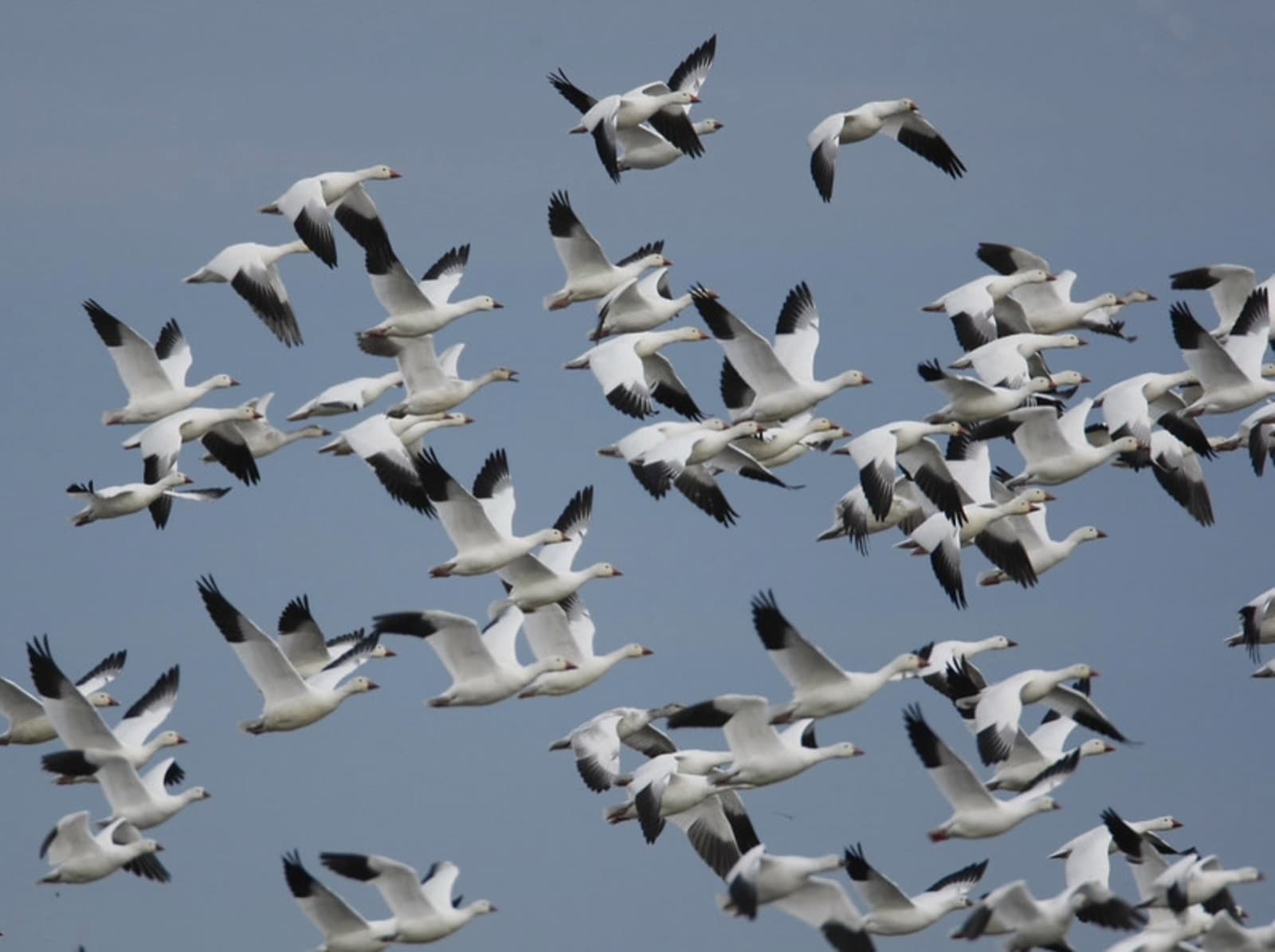
Geese arrive by the thousands starting in November and head north by late February, per the Fish and Wildlife Service (Nov 1–Feb 28). No official report yet this season.
Right now in Hagerman Refuge · September
34days to the next winter wildlife seasonNov 1–Feb 28, local timing
Hagerman National Wildlife Refuge through the year
- Mar: Spring migration: monarchs arrive and thousands of shorebirds stop over, from MarchMar
- Aug: Blue-winged and green-winged teal begin to arrive as shorebirds head south, by AugustAug
- Geese by the thousands, from November until they head north in late FebruaryNov–Feb
Where to watch
- Wildlife DriveA 2-mile auto tour along Lake Texoma, open daylight hours year-round; stay in your car and it works as a blind
- Big Mineral Day Use AreaOff Bennett Lane, where bald eagles are often spotted in winter; outdoor restrooms
Hagerman Refuge in pictures
How we know
U.S. Fish and Wildlife Service, Hagerman NWR: Species (opens in a new tab) (Sep 28) · U.S. Fish and Wildlife Service, Hagerman NWR: Visit Us (opens in a new tab) (Sep 28) · National Weather Service forecast and alerts (opens in a new tab) (Sep 28)
Questions people ask
When is the best time to see winter wildlife at Hagerman National Wildlife Refuge?
Geese arrive by the thousands starting in November and head north by late February, per the Fish and Wildlife Service: Nov 1–Feb 28. That's general timing for this place, not a peak date or a forecast.
Is it wildlife season at Hagerman National Wildlife Refuge right now?
Not now: the winter wildlife season is over for this year. The next one starts in about 34 days (Nov 1–Feb 28, local timing).
Is there a fee?
No, there is no charge to visit.Source: U.S. Fish and Wildlife Service, Hagerman NWR: Visit Us ↗ (opens in a new tab)
When is the refuge open?
Lands, roads and trails are open daily from dawn to dusk. The visitor center is open Monday to Saturday 9 a.m. to 4 p.m. and Sunday 1 to 5 p.m., and closed on Thanksgiving, Christmas and New Year's Day.Source: U.S. Fish and Wildlife Service, Hagerman NWR: Visit Us ↗ (opens in a new tab)
Are there restrooms?
Inside the visitor center, and outdoor restrooms at the Big Mineral, Goode and Sandy Day Use Areas.Source: U.S. Fish and Wildlife Service, Hagerman NWR: Visit Us ↗ (opens in a new tab)
Can Wildlife Drive flood?
Yes. Several roads and trails, Wildlife Drive included, are subject to flooding; it may happen when Lake Texoma rises above 621 feet.Source: U.S. Fish and Wildlife Service, Hagerman NWR: Visit Us ↗ (opens in a new tab)
Can I borrow binoculars?
Yes, free of charge at the visitor center, where you can also see the list of birds noted in the weekly bird survey.Source: U.S. Fish and Wildlife Service, Hagerman NWR: Visit Us ↗ (opens in a new tab)
Where are the best spots in Hagerman National Wildlife Refuge?
Wildlife Drive: a 2-mile auto tour along Lake Texoma, open daylight hours year-round; stay in your car and it works as a blind; Big Mineral Day Use Area: off Bennett Lane, where bald eagles are often spotted in winter; outdoor restrooms.
What is Hagerman National Wildlife Refuge like through the year?
Geese by the thousands, from November until they head north in late February (Nov–Feb), Spring migration: monarchs arrive and thousands of shorebirds stop over, from March (Mar) and Blue-winged and green-winged teal begin to arrive as shorebirds head south, by August (Aug).