San Bernard Refugespring migration
Migrating songbirds pass through in spring, late March to early May, per the Fish and Wildlife Service; the coastal woods can fill with them during a fallout. Its usual window for this year has passed.
Your guide to the area
Where to watch
- Bobcat Woods Trail and BoardwalkNear the coastal forests that can fill with migrating songbirds in a spring fallout: an easy 2.5-mile loop on accessible boardwalk and concrete along Cocklebur Slough. Restrooms at the trailhead.
- San Bernard Oak TrailA 0.7-mile mowed path off CR 306, just west of the Cocklebur Slough Recreation Area, to a 300-year-old live oak; also near the coastal forests the refuge names for spring fallouts. Boots needed when it's wet.
Nearby
- Trinity River Refuge95 miduring the spring (March to May)
- Hagerman Refuge341 miIn MarchSatChance Rain Showers
- Dahomey Refuge431 miMarch – June
- Mingo Refuge639 miApril and May are the best months
- Wheeler Refuge639 miApril: Teal migration is at its peak.SatShowers And Thunderstorms
- Flint Hills Refuge650 miApril and May are the best time of yearSatPartly Sunny
The year at San Bernard Refuge
- Spring songbird migration, late March to early May: coastal woods can fill with migrants in a falloutMar–May
- Fall songbird migration, October to early NovemberOct–Nov
- Wintering forest songbirds, October to MarchOct–Mar
- Nov: 2026-27 waterfowl hunting in the Sargent permit area opens November 7, 2026 (lottery permits)Nov
- Wintering waterfowl at the Cocklebur Slough Recreation Area, November to FebruaryNov–Feb
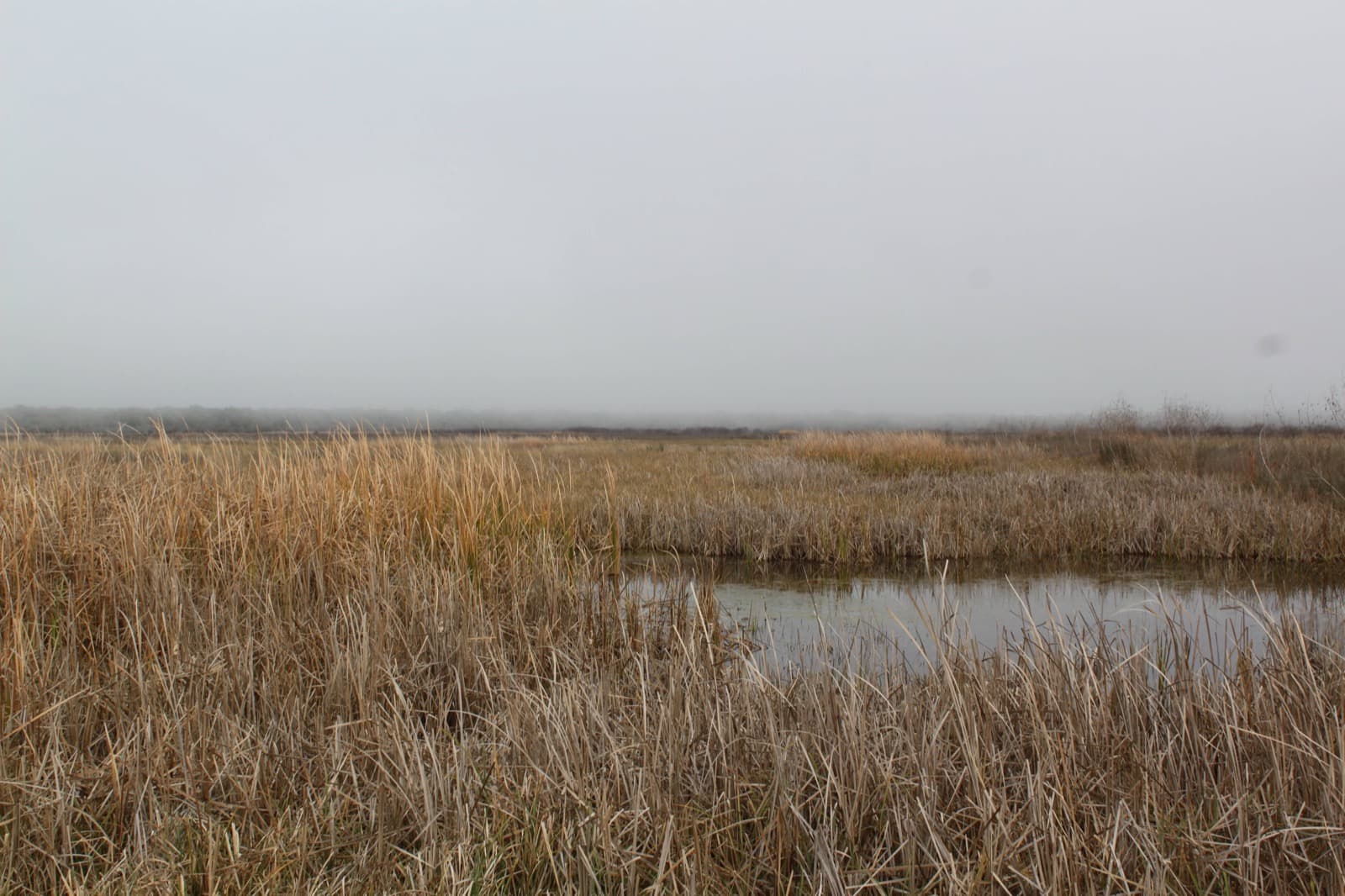
San Bernard Refuge in pictures
Questions people ask
When is the best time to see spring migration at San Bernard National Wildlife Refuge?
Migrating songbirds pass through in spring, late March to early May, per the Fish and Wildlife Service; the coastal woods can fill with them during a fallout: late March – early May for spring. That's general timing for this place, not a peak date or a forecast.
Is spring migration under way at San Bernard National Wildlife Refuge right now?
Not now: its usual spring migration window for this year has passed. Next time: late March – early May for spring, local timing.
What is a fallout?
The refuge uses the word for spring days when the coastal forests near Bobcat Woods and the San Bernard Oak fill with colorful migrating songbirds. Worn out from their flight across the Gulf, neotropical migrants depend on these bottomland woods to rest, feed and refuel.Sources: U.S. Fish and Wildlife Service, San Bernard NWR: Visit Us ↗ (opens in a new tab), U.S. Fish and Wildlife Service, San Bernard NWR: Species ↗ (opens in a new tab)
Is there a fee?
No, there is no charge to visit any of the public use areas.Source: U.S. Fish and Wildlife Service, San Bernard NWR: Visit Us ↗ (opens in a new tab)
When are the recreation areas open?
Every day from official sunrise to official sunset. Early morning and evening are the best times for wildlife, and weekdays are quieter than weekends.Source: U.S. Fish and Wildlife Service, San Bernard NWR: Visit Us ↗ (opens in a new tab)
Can I bring my dog?
Yes, on a leash. Bring insect repellent in every season, plus water and sunscreen.Source: U.S. Fish and Wildlife Service, San Bernard NWR: Visit Us ↗ (opens in a new tab)
Where are the best spots in San Bernard National Wildlife Refuge?
Bobcat Woods Trail and Boardwalk: near the coastal forests that can fill with migrating songbirds in a spring fallout: an easy 2.5-mile loop on accessible boardwalk and concrete along Cocklebur Slough. Restrooms at the trailhead.; San Bernard Oak Trail: a 0.7-mile mowed path off CR 306, just west of the Cocklebur Slough Recreation Area, to a 300-year-old live oak; also near the coastal forests the refuge names for spring fallouts. Boots needed when it's wet..
Are there closures or permits to know about in San Bernard National Wildlife Refuge?
2026-27 waterfowl hunting in the Sargent permit area opens November 7, 2026 (lottery permits) (Nov).
What is San Bernard National Wildlife Refuge like through the year?
Wintering waterfowl at the Cocklebur Slough Recreation Area, November to February (Nov–Feb), Wintering forest songbirds, October to March (Oct–Mar), Fall songbird migration, October to early November (Oct–Nov), Spring songbird migration, late March to early May: coastal woods can fill with migrants in a fallout (Mar–May) and 2026-27 waterfowl hunting in the Sargent permit area opens November 7, 2026 (lottery permits) (Nov).