Hagerman Refugespring migration
In March, as spring migration begins, thousands of migratory shorebirds stop over to feed in the refuge's wetlands, per the Fish and Wildlife Service. Its usual window for this year has passed.
Next 7 days at Hagerman Refuge
- TodayPartly Sunny then Chance Showers And Thunderstorms91° / 71°85% rain
- ThuShowers And Thunderstorms81° / 66°97% rain
- FriShowers And Thunderstorms79° / 64°89% rain
- SatChance Rain Showers78° / 64°50% rain
- SunChance Rain Showers80° / 62°28% rain
- MonMostly Sunny79° / 59°15% rain
Today: sunrise 7:21 a.m., sunset 7:14 p.m., light until 7:39 p.m. · moon waning gibbous, 78% lit (our calculation)
Your guide to the area
Where to watch
- Wildlife DriveThe 2-mile auto tour along Lake Texoma, open in daylight hours year-round; shorebirds feed in the shallow marshes and along the lakeshore in spring. Stay in your car and it works as a blind.
- Haller's Haven TrailA 2.7-mile loop from the Goode Day Use Picnic Area past the lake and two ponds; the second pond, a quarter mile in, is a good place for wading birds, raptors and seven kinds of woodpeckers
Nearby
- Trinity River Refuge277 miduring the spring (March to May)
- Flint Hills Refuge319 miApril and May are the best time of yearSatPartly Sunny
- Dahomey Refuge336 miMarch – June
- San Bernard Refuge341 milate March – early May for spring
- Mingo Refuge434 miApril and May are the best months
- Loess Bluffs Refuge445 mifrom mid-February, peaking in mid-MarchSatPartly Sunny
The year at Hagerman Refuge
- Mar: Thousands of migratory shorebirds stop over to feed in refuge wetlands, from MarchMar
- Mar: Monarch butterflies begin arriving from Mexico on their way north, in MarchMar
- Aug: Blue-winged and green-winged teal begin to arrive as shorebirds head south, by AugustAug
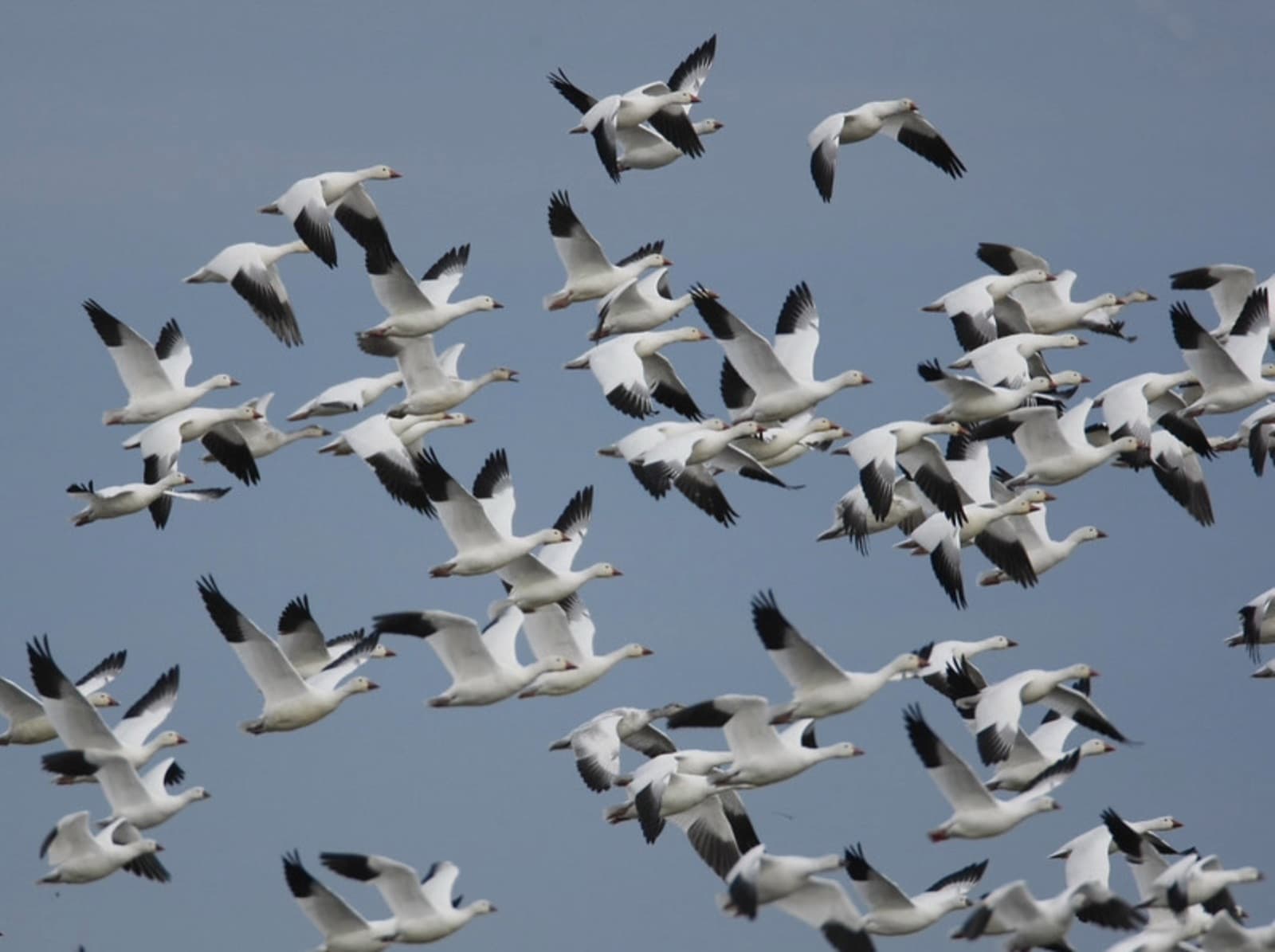
- Geese by the thousands, from November until they head north in late FebruaryNov–Feb
Hagerman Refuge in pictures
Questions people ask
When is the best time to see spring migration at Hagerman National Wildlife Refuge?
In March, as spring migration begins, thousands of migratory shorebirds stop over to feed in the refuge's wetlands, per the Fish and Wildlife Service: In March. That's general timing for this place, not a peak date or a forecast.
Is spring migration under way at Hagerman National Wildlife Refuge right now?
Not now: its usual spring migration window for this year has passed. Next time: In March, local timing.
Do hunts close parts of the refuge in spring?
Sometimes. Some units close for 3-day limited-permit archery deer, feral hog or wild turkey hunts in fall and spring, but Wildlife Drive and at least one hiking trail stay open during them.Source: U.S. Fish and Wildlife Service, Hagerman NWR: Visit Us ↗ (opens in a new tab)
What time of day is best?
From sunrise, and in the evening an hour or so before sunset. Weekdays are quieter than weekends, and birds on the roadside usually stay put if you stay in your car.Source: U.S. Fish and Wildlife Service, Hagerman NWR: Visit Us ↗ (opens in a new tab)
What should I bring?
Comfortable shoes, plenty of water, snacks and sunscreen, and insect repellent from spring through fall. Watch for poison ivy and venomous snakes, including copperheads, cottonmouths and three kinds of rattlesnake.Source: U.S. Fish and Wildlife Service, Hagerman NWR: Visit Us ↗ (opens in a new tab)
Is there a fee?
No, there is no charge to visit, and you can borrow binoculars free at the visitor center.Source: U.S. Fish and Wildlife Service, Hagerman NWR: Visit Us ↗ (opens in a new tab)
Where are the best spots in Hagerman National Wildlife Refuge?
Wildlife Drive: the 2-mile auto tour along Lake Texoma, open in daylight hours year-round; shorebirds feed in the shallow marshes and along the lakeshore in spring. Stay in your car and it works as a blind.; Haller's Haven Trail: a 2.7-mile loop from the Goode Day Use Picnic Area past the lake and two ponds; the second pond, a quarter mile in, is a good place for wading birds, raptors and seven kinds of woodpeckers.
What is Hagerman National Wildlife Refuge like through the year?
Geese by the thousands, from November until they head north in late February (Nov–Feb), Blue-winged and green-winged teal begin to arrive as shorebirds head south, by August (Aug), Thousands of migratory shorebirds stop over to feed in refuge wetlands, from March (Mar) and Monarch butterflies begin arriving from Mexico on their way north, in March (Mar).