Iowa
When to catch Port Louisa Refugeat its best
Port Louisa Refuge through the year: spring migrant birds (local timing: April to May) and fall color (local timing: the first two weeks of October). Each has its own page with spots, sources and the latest reports.
About Port Louisa Refuge
- What it is
- A wildlife refuge in Iowa
- A little history
- Officially in 1958, within the Mark Twain National Wildlife Refuge Complex, though the Fish and Wildlife Service had managed part of it since the early 1940s.
- What you'll see
- Spring migrant birds · usual peak April to MayFall color · usual peak Oct
- Before you go
- Is there a fee to visit? No, visiting the refuge is free.What are the hours? The refuge is open from half an hour before sunrise to half an hour after sunset. The visitor contact station and office are open Tuesday to Friday, 7:30 a.m. to 4:00 p.m., except federal holidays, and can close for weather when local schools close.What should I bring? Bug spray and long pants or sleeves (deer ticks are present, so do a tick check afterward), water, sunscreen, comfortable walking shoes and layers: spring can swing widely in temperature. Poison ivy grows here, so stay on the trail.
RIGHT NOW · OCT 1
- Latest reportNo dated report this season; the posters below show each usual window.
- This weekend (NWS)Sat sunny, 68°F · Sun sunny, 71°F
- Park alertsCheck the managing agency before you go
When are you going?
Fall at Port Louisa Refuge
- BEST VIEWING · FALL COLORPort Louisa RefugeFall colorWildlife refugeThe first two weeks of OctoberU.S. Fish and Wildlife Service ↗
Winter at Port Louisa Refuge
Next peak here after winter
Spring at Port Louisa Refuge
- BEST VIEWING · SPRING MIGRANT BIRDSPort Louisa RefugeSpring migrant birdsWildlife refugeApril to May“April to May” · U.S. Fish and Wildlife Service ↗
Summer at Port Louisa Refuge
Next peak here after summer
Where to go at Port Louisa Refuge
- Fall
Places on this map, as a list
Best spots
- Muscatine Slough TrailGood for spring migrant birds1.5 miles out and back from the refuge office or the trailhead lot on 120th Street, from prairie and upland forest down into floodplain forest, ending at the Muscatine Slough Observation Deck; it can flood when waters are highU.S. Fish and Wildlife Service ↗
- Sycamore LoopGood for spring migrant birds · fall colorA 0.3-mile year-round loop from the visitor contact station parking, through upland forest to a deck overlooking the Odessa Division; watch for vireos and warblersU.S. Fish and Wildlife Service ↗
- Observation deck at the visitor contact stationGood for fall colorA deck at the refuge's visitor contact stationU.S. Fish and Wildlife Service ↗
Next 7 days at Port Louisa Refuge
- TodayShowers And Thunderstorms72° / 65°91% rain
- FriSunny66° / 46°–
- SatSunny68° / 51°–
- SunSunny71° / 47°–
- MonSunny66° / 46°–
- TueSunny68° / 54°4% rain
- WedMostly Sunny74° / –8% rain
Today: sunrise 7:02 a.m., sunset 6:48 p.m., light until 7:16 p.m. · moon waning gibbous, 67% lit (our calculation)
Worth the drive, and when they peak
- USUAL PEAK · WATERFOWLEmiquon RefugeWaterfowlWildlife refugeMigration typically peaks in NovemberU.S. Fish and Wildlife Service ↗
- USUAL PEAK · WATERFOWLChautauqua RefugeWaterfowlWildlife refugeMigration typically peaks in November“Migration typically peaks in November” · U.S. Fish and Wildlife Service ↗
- In 4 weeks
- SEASON · WATERFOWLClarence Cannon RefugeWaterfowlWildlife refugeOct–NovU.S. Fish and Wildlife Service ↗
Towns nearby
- Iowa City, IA37 mi
- Galesburg, IL43 mi
- Cedar Rapids, IA59 mi
- Ottumwa, IA69 mi
- Quincy, IL89 mi
- Waterloo, IA108 mi
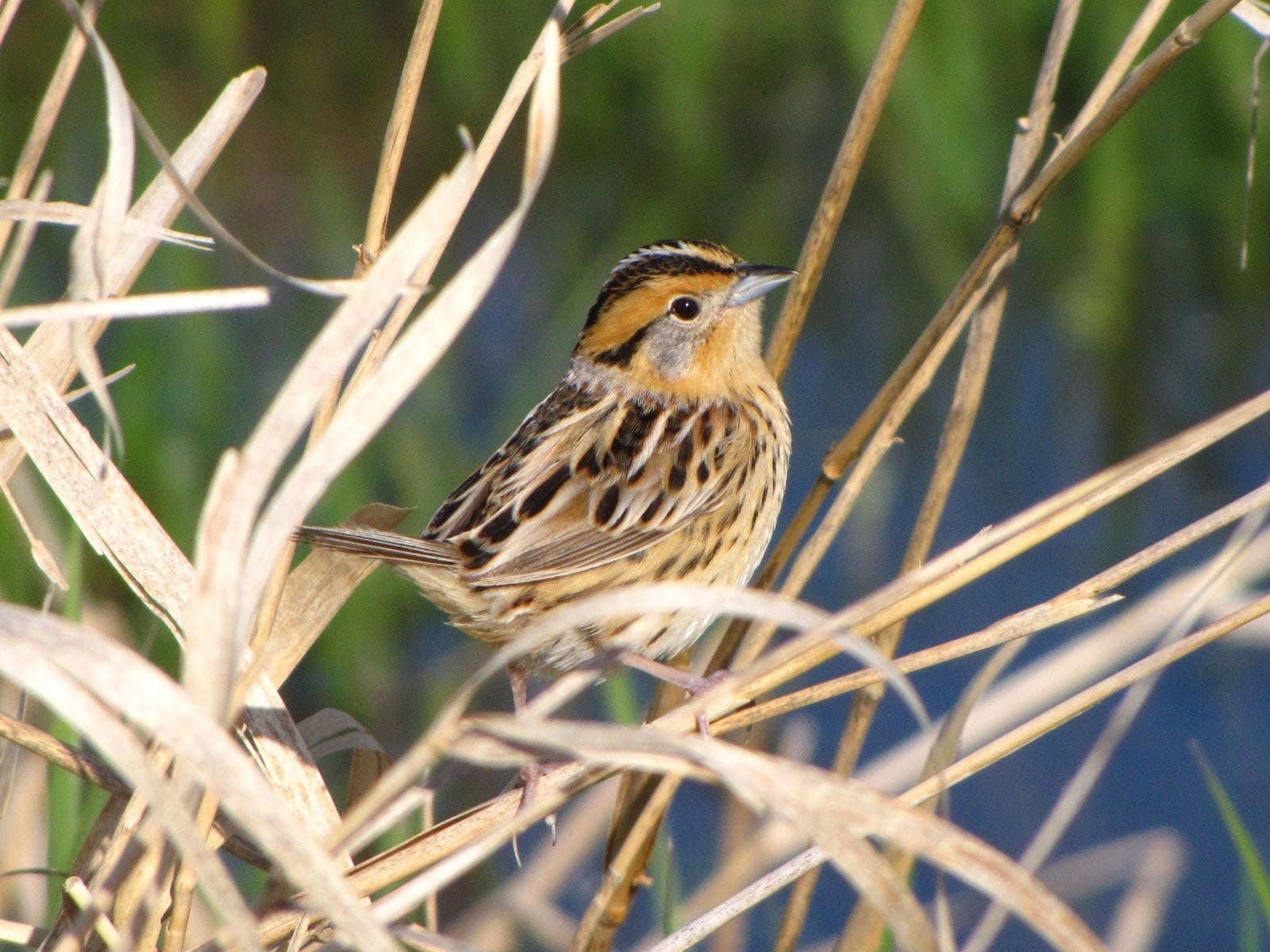
Port Louisa Refuge in pictures
Questions people ask
Is there a fee to visit?
No, visiting the refuge is free.Source: U.S. Fish and Wildlife Service, Port Louisa NWR: Visit Us ↗ (opens in a new tab)
What are the hours?
The refuge is open from half an hour before sunrise to half an hour after sunset. The visitor contact station and office are open Tuesday to Friday, 7:30 a.m. to 4:00 p.m., except federal holidays, and can close for weather when local schools close.Source: U.S. Fish and Wildlife Service, Port Louisa NWR: Visit Us ↗ (opens in a new tab)
Are there restrooms?
Yes: inside the visitor contact station during business hours, and outdoor restrooms near it for after hours.Source: U.S. Fish and Wildlife Service, Port Louisa NWR: Visit Us ↗ (opens in a new tab)
What should I bring?
Bug spray and long pants or sleeves (deer ticks are present, so do a tick check afterward), water, sunscreen, comfortable walking shoes and layers: spring can swing widely in temperature. Poison ivy grows here, so stay on the trail.Source: U.S. Fish and Wildlife Service, Port Louisa NWR: Visit Us ↗ (opens in a new tab)
How we know
- Sep 28Park ServiceVisitor tips by month, trails, hours, fees, restrooms and what to bringSource (opens U.S. Fish and Wildlife Service, Port Louisa NWR: Visit Us in a new tab)