New York
When to catch Morton Refugeat its best
Morton Refuge through the year: wildlife by season (3 separate phases, from between mid-March and early April) and winter wildlife (local timing: Late October through early April). Each has its own page with spots, sources and the latest reports.
RIGHT NOW · SEP 30
- Latest reportNo dated report this season; the posters below show each usual window.
- This weekend (NWS)Sat chance rain showers then mostly sunny, 67°F · Sun partly sunny then chance rain showers, 62°F
- Park alertsCheck the managing agency before you go
When are you going?
Fall at Morton Refuge
Good in fall
- Best times to see waterfowl: late October through early April
From each place's own sources; no peak claimed.
Nearby in fall
- USUAL PEAK · FALL FOLIAGEDelaware Water GapSometime in October145 mi
“sometime in October” · National Park Service ↗
Next peak here after fall
“Late October through early April” · U.S. Fish and Wildlife Service ↗
Winter at Morton Refuge
- BEST VIEWING · WINTER WILDLIFEMorton RefugeLate October through early AprilNew York
“Late October through early April” · U.S. Fish and Wildlife Service ↗
Also good in winter
- Best times to see waterfowl: late October through early April
From each place's own sources; no peak claimed.
Spring at Morton Refuge
- PHASE · WILDLIFE BY SEASONMorton RefugeBetween mid-March and early April (and 2 more phases)New York
“between mid-March and early April” · U.S. Fish and Wildlife Service ↗
Also good in spring
- Ospreys along the shoreline, March to September
From each place's own sources; no peak claimed.
Next peak here after spring
“Late October through early April” · U.S. Fish and Wildlife Service ↗
Summer at Morton Refuge
Good in summer
- Ospreys along the shoreline, March to September
From each place's own sources; no peak claimed.
Next peak here after summer
“Late October through early April” · U.S. Fish and Wildlife Service ↗
Where to go at Morton Refuge
- Spring
- Fall
Places on this map, as a list
Best spots
Wildlife by season
- Wild Birds Nature TrailA self-guided 1.2-mile trail through woodland onto the beach, where most visitors watch wildlife; restrooms at the Visitor Contact Station at its startU.S. Fish and Wildlife Service ↗
- Elevated beach viewing platformAn elevated platform at the beach with a view over Little Peconic Bay, Noyack Bay and the wildlife of the Jessup's Neck PeninsulaU.S. Fish and Wildlife Service ↗
Winter wildlife
- Elevated beach viewing platformLooks out over Little Peconic Bay and Noyack Bay, where large groups of black ducks, bufflehead and common goldeneye float in winterU.S. Fish and Wildlife Service ↗
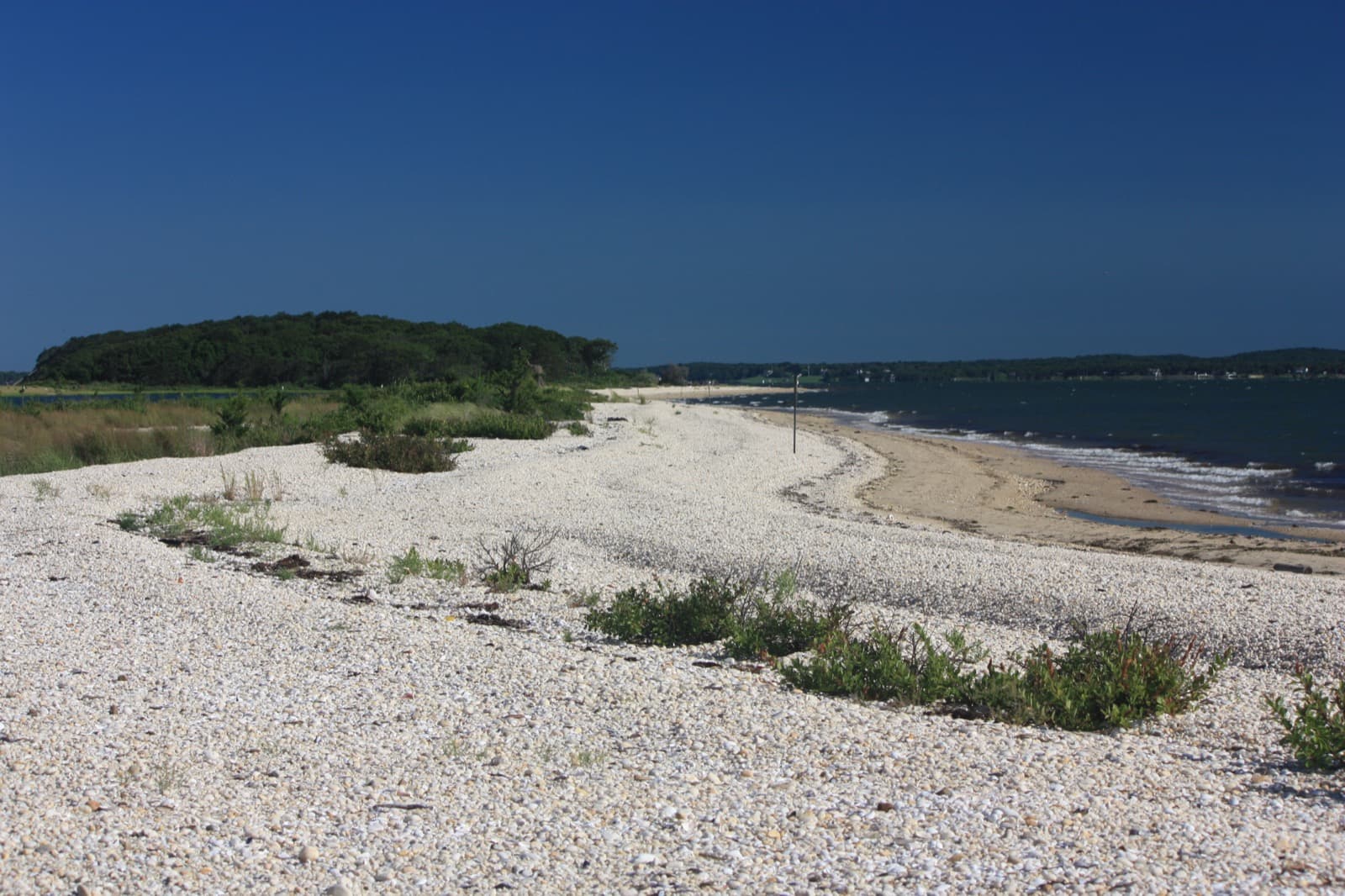
- Jessup's Neck beachAlmost two miles of beach along the Jessup's Neck Peninsula, reached by the 1.2-mile Wild Birds Nature Trail; the nesting closure on part of the beach runs April to AugustU.S. Fish and Wildlife Service ↗
Next 7 days at Morton Refuge
- TodayPartly Sunny67° / 61°–
- ThuPartly Sunny71° / 64°–
- FriMostly Sunny73° / 60°33% rain
- SatChance Rain Showers then Mostly Sunny67° / 55°28% rain
- SunPartly Sunny then Chance Rain Showers62° / 55°27% rain
- MonSlight Chance Rain Showers then Mostly Sunny63° / 47°21% rain
- TueSunny58° / 48°1% rain
Today: sunrise 6:46 a.m., sunset 6:35 p.m., light until 7:02 p.m. · moon waning gibbous, 78% lit (our calculation)
Nearby, and when they peak
- USUAL PEAK · FALL FOLIAGEDelaware Water GapSometime in October145 mi
“sometime in October” · National Park Service ↗
- More fall foliage:Fairsted (Olmsted NHS)
Towns nearby
- Meriden, CT44 mi
- Bridgeport, CT45 mi
- Hartford, CT56 mi
- Stamford, CT62 mi
- Providence, RI76 mi
- Springfield, MA78 mi
Morton Refuge in pictures
Questions people ask
Can I walk the beach while plovers are nesting?
Part of it. A portion of the beach is closed from April to August to protect nesting birds; binoculars help you see the beach wildlife from outside the closure. The rest of the beach runs almost two miles along Jessup's Neck.Source: U.S. Fish and Wildlife Service, Elizabeth A. Morton NWR: Visit Us ↗ (opens in a new tab)
Can I feed the birds?
Please don't. The refuge says hand-feeding has harmed piping plovers, American oystercatchers and least terns: seed and food draw raccoons and rats that eat chicks and eggs. Don't leave food behind either.Source: U.S. Fish and Wildlife Service, Elizabeth A. Morton NWR: Visit Us ↗ (opens in a new tab)
Is there a fee?
Yes: $4 per vehicle or $2 on foot or bike, or a $12 annual refuge pass. A current Federal Duck Stamp also covers the entrance fee.Source: U.S. Fish and Wildlife Service, Elizabeth A. Morton NWR: Visit Us ↗ (opens in a new tab)
When is it open, and can I bring my dog?
It's open from half an hour before sunrise to half an hour after sunset. No pets are allowed, because they disturb wildlife.Source: U.S. Fish and Wildlife Service, Elizabeth A. Morton NWR: Visit Us ↗ (opens in a new tab)
How we know
- Sep 30Park ServicePiping plovers (arrival and July use), terns and ospreysSource (opens U.S. Fish and Wildlife Service, Elizabeth A. Morton NWR: Species in a new tab)
- Sep 30Park ServiceFees, hours, no feeding birds, the April–August beach closure, trail, platform and best months for waterfowlSource (opens U.S. Fish and Wildlife Service, Elizabeth A. Morton NWR: Visit Us in a new tab)