State guide
When to catch Texasthrough the year
The peaks we can name in Texas each belong to a place, not the whole state. Wintering waterfowl at Brazoria: November through January; Spring songbird migration at Brazoria: spring; Fall color in the Guadalupe Mountains: the last week of October and the first week of November.
When are you going?
Fall in Texas
- USUAL PEAK · FALL FOLIAGEGuadalupe MountainsThe last week of October and the first week of NovemberTexas
“the last week of October and the first week of November” · National Park Service ↗
- USUAL PEAK · FALL FOLIAGEBig Thicket National PreserveLate November through early DecemberTexas
“late November through early December” · National Park Service ↗
Also good in fall
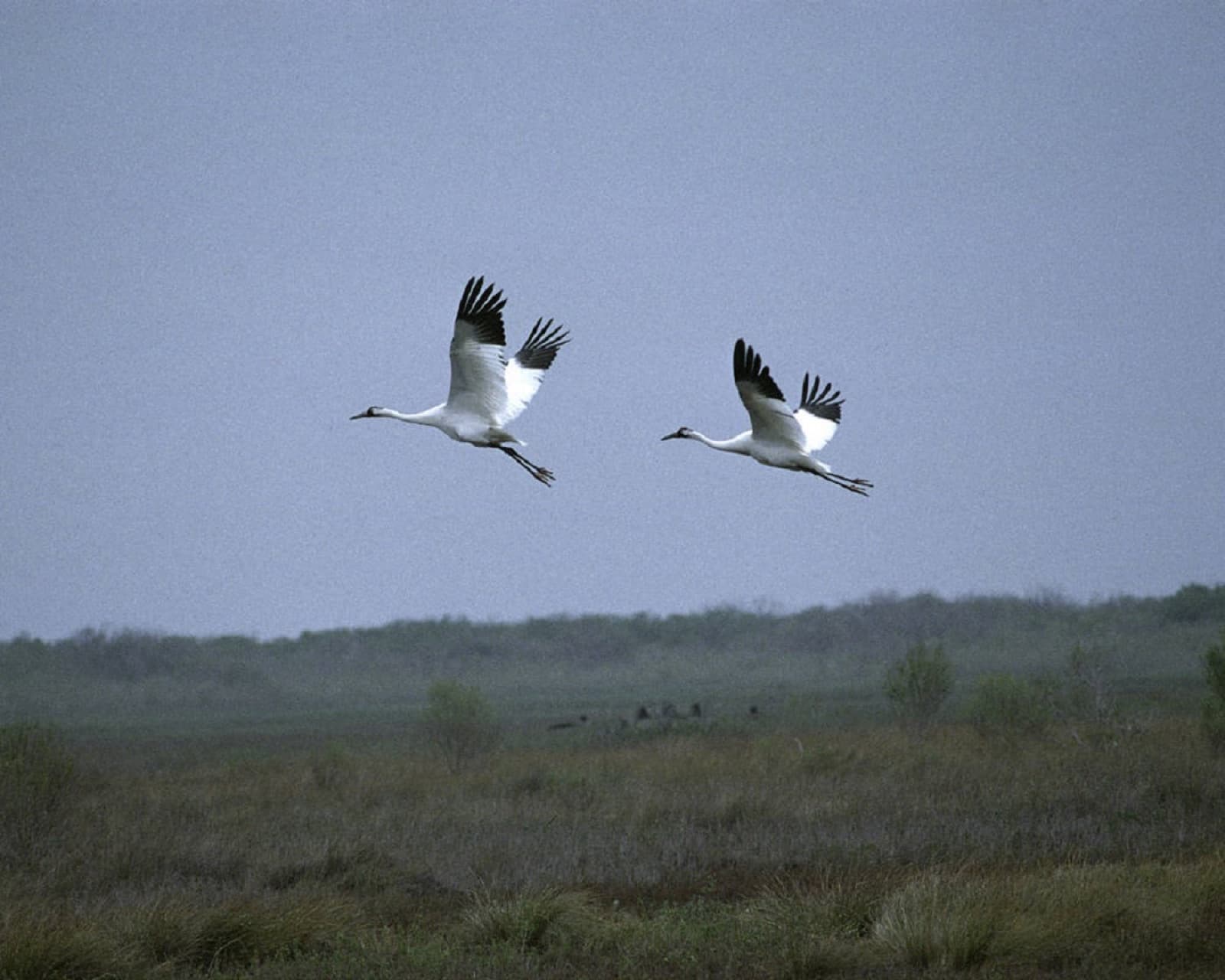
- Aransas RefugeWhooping cranes: usually here from late October until mid-April
- Big Thicket National PreserveFall color
- Laguna Atascosa RefugeDucks: November is peak use, with more than 250,000 ducks depending on the refuge
- Lake MeredithFall and winter migrants such as bald eagles, ospreys, juncos, sandhill cranes and Cooper's hawks typically arrive, September and October
- Padre Island National SeashoreWildflowers from over 400 flowering species, seen in every month of the year
- San Bernard RefugeWintering forest songbirds, October to March
From each place's own sources; no peak claimed.
Winter in Texas
- SEASON · WINTER WILDLIFELake MeredithSeptember and OctoberTexas
“September and October” · National Park Service ↗
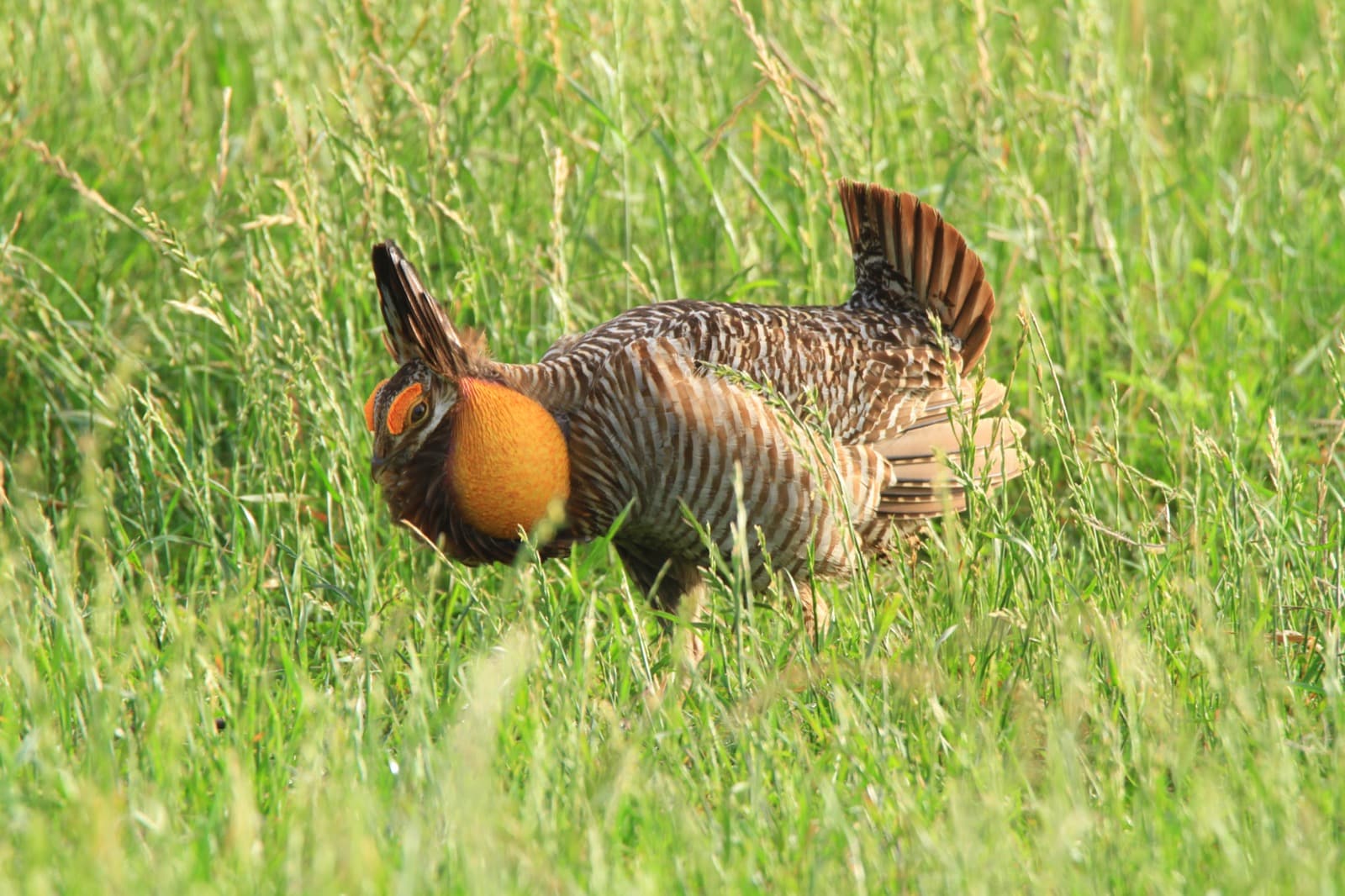
- SEASON · WILDLIFE BY SEASONAttwater Prairie Chicken RefugeLate February through early AprilTexas
“late February through early April” · U.S. Fish and Wildlife Service ↗
- More winter wildlife:Aransas RefugeBrazoria RefugeHagerman RefugeLaguna Atascosa Refuge
Also good in winter
- Aransas RefugeWhooping cranes: usually here from late October until mid-April
- Attwater Prairie Chicken RefugeMales may start their courtship displays as early as January; look in recently burned areas
- Big Thicket National PreserveFall color
- Brazoria RefugeWintering waterfowl: November through January is the best time to see them
- Hagerman RefugeGeese by the thousands, from November until they head north in late February
- Padre Island National SeashoreWildflowers from over 400 flowering species, seen in every month of the year
From each place's own sources; no peak claimed.
Next peak here after winter
“February through March” · National Park Service ↗
Spring in Texas
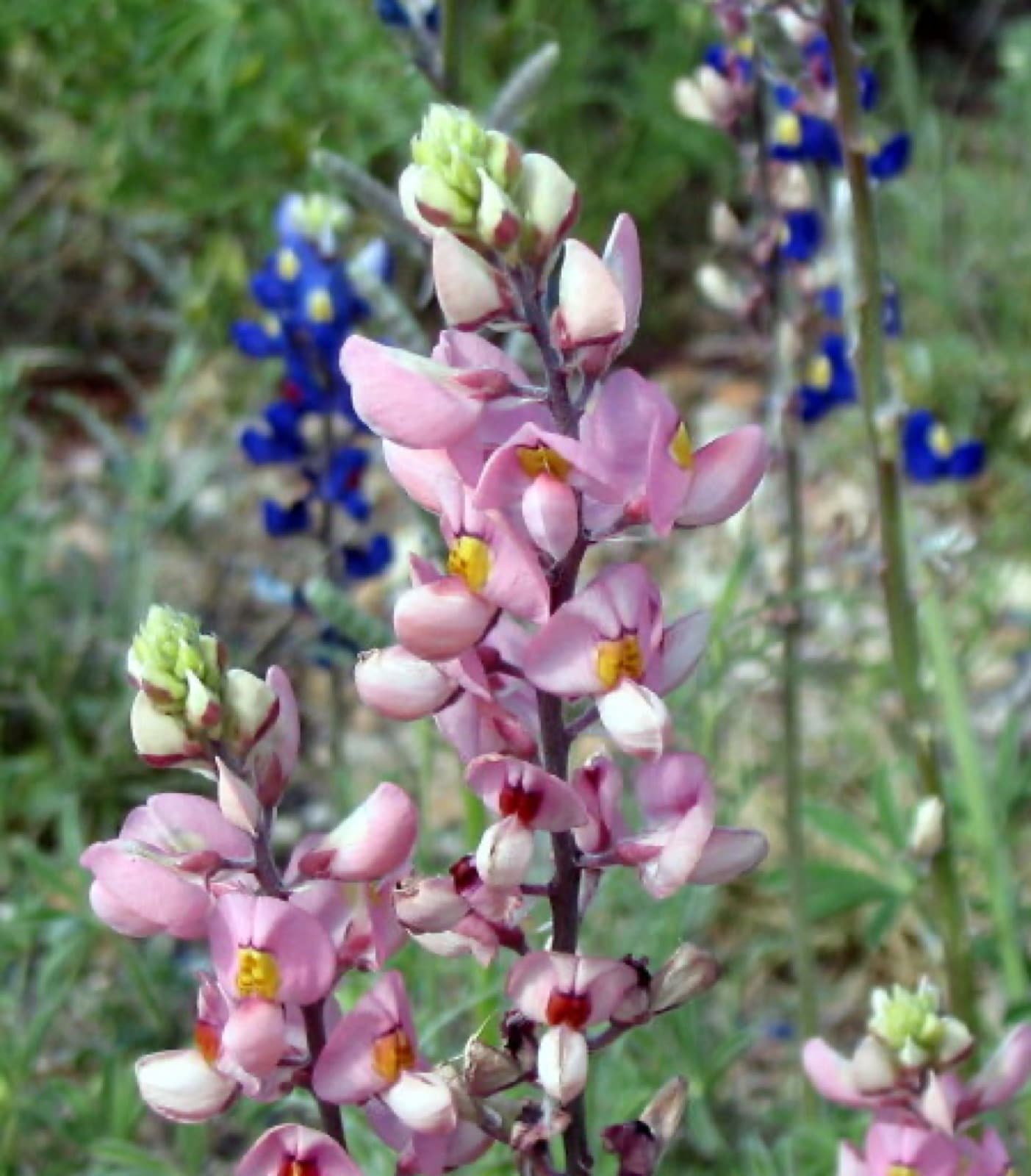
- USUAL PEAK · TEXAS BLUEBONNETSBig BendFebruary through MarchTexas
“February through March” · National Park Service ↗
- SEASON · WILDFLOWERSTrinity River RefugeMay through OctoberTexas
“May through October” · U.S. Fish and Wildlife Service ↗
Also good in spring
- Aransas RefugeWhooping cranes: usually here from late October until mid-April
- Attwater Prairie Chicken RefugePrairie-chicken lekking (mating) season, late February through early April
- Big BendMountain laurel blooms
- Big Thicket National PreservePitcher plant flowers
- Hagerman RefugeMonarch butterflies begin arriving from Mexico on their way north, in March
- Laguna Atascosa RefugeSpring peregrine falcons on the South Padre Island Unit, April and May
From each place's own sources; no peak claimed.
Summer in Texas
- ONE SPOT · WILDLIFE BY SEASONPadre Island National SeashoreMid-June through AugustTexas
“mid-June through August” · National Park Service ↗
Also good in summer
- Hagerman RefugeBlue-winged and green-winged teal begin to arrive as shorebirds head south, by August
- Lake MeredithWildflowers along Harbor Bay Trail, April to July
- Padre Island National SeashorePublic Kemp's ridley hatchling releases, typically mid-June through August, around sunrise
- Trinity River RefugeSwallow-tailed kites, the bird some people travel the country to see here, easy to spot April to August
From each place's own sources; no peak claimed.
Next peak here after summer
“the last week of October and the first week of November” · National Park Service ↗
Places in Texas
- Spring
- Summer
- Fall
- Winter
Places on this map, as a list
- Spring
- Winter
Places on this map, as a list
- Summer
- Winter
Places on this map, as a list
- Big BendUsually: February through March
- Guadalupe MountainsUsually the last week of October and the first week of November
- Hagerman RefugeLocal timing: In March
- Lake MeredithLocal timing: September and October
Coastal Bend and South Texas
Upper Gulf Coast
- Attwater Prairie Chicken RefugeWildlife by season · Feb–Apr
- Brazoria RefugeWinter wildlife · November through January
- San Bernard RefugeSpring migration · Mar–MayWinter wildlife · October to early November
Show the rest in Upper Gulf Coast (1) →
West Texas
North Texas and the Panhandle
Planning a Texas trip
Towns to stay in
- Houston, TXTrinity River Refuge · 43 mi
- San Antonio, TXLBJ National Historical Park · 57 mi
- Austin, TXBalcones Canyonlands Refuge · 22 mi
- El Paso, TXWhite Sands · 66 mi
- Corpus Christi, TXPadre Island National Seashore · 24 mi
- Killeen, TXBalcones Canyonlands Refuge · 43 mi
- Waco, TXBalcones Canyonlands Refuge · 88 mi
- College Station, TXAttwater Prairie Chicken Refuge · 63 mi
- New Braunfels, TXLBJ National Historical Park · 44 mi
- Beaumont, TXBig Thicket National Preserve · 22 mi
- Georgetown, TXBalcones Canyonlands Refuge · 22 mi
- Victoria, TXAransas Refuge · 38 mi
Nearest place we follow, straight-line miles.
Current park alerts (NPS)
- Big Thicket National Preserve: Big Sandy Creek Unit Trails ↗
- Guadalupe Mountains: Devil's Hall is a Strenuous Hike ↗
- LBJ National Historical Park: Texas White House Complex Closure ↗
- Padre Island National Seashore: Canine distemper is believed to be present in the park. ↗
Browse by season and event
- Winter wildlife · 6 places hereWinter wildlife, everywhere →
- Wildlife by season · 2 places hereWildlife by season, everywhere →
- Texas bluebonnets · 2 places hereTexas bluebonnets, everywhere →
- Wildflowers · 2 places hereWildflowers, everywhere →
- Fall foliage · 2 places hereFall foliage, everywhere →
- Spring migration · 3 places hereSpring migration, everywhere →
Questions people ask
Is there an entrance fee at Aransas Refuge?
Yes. Everyone registers and pays daily: $3 for one adult in a vehicle, $5 for two or more adults, and free for anyone 17 and under. You can pay on Recreation.gov, or at the kiosk in front of the visitor center when it's closed.Sources: U.S. Fish and Wildlife Service, Aransas NWR: Visit Us ↗ (opens in a new tab), U.S. Fish and Wildlife Service, Aransas National Wildlife Refuge ↗ (opens in a new tab)
When is the refuge open at Aransas Refuge?
The auto tour and trails are open daily from sunrise to sunset, and the gates close and lock 30 minutes after sunset. As of September 2026 the visitor center is open Tuesday to Saturday, 9 a.m. to 4 p.m., and closed Sundays, Mondays and federal holidays.Sources: U.S. Fish and Wildlife Service, Aransas NWR: Visit Us ↗ (opens in a new tab), U.S. Fish and Wildlife Service, Aransas National Wildlife Refuge ↗ (opens in a new tab)
How do I look for a prairie-chicken at Attwater Prairie Chicken Refuge?
Come early and drive the Auto Tour Loop slowly before walking any trail, watching areas of low plants or bare ground. Look for bright orange air sacs and listen for a booming sound. Don't let rain put you off: the birds like to walk on or along the roads to stay out of wet grass. Sightings are never certain.Sources: U.S. Fish and Wildlife Service, Attwater Prairie Chicken NWR ↗ (opens in a new tab), U.S. Fish and Wildlife Service, Attwater Prairie Chicken NWR: Visit Us ↗ (opens in a new tab)
Can I join a guided tour at Attwater Prairie Chicken Refuge?
Yes, by reservation through the refuge's sign-up form. As of September 2026, staff and volunteer van tours usually run the first Saturday of each month from May to February, and on the first and third Saturdays in March and April. They take you into the closed part of the refuge, last about an hour and a half to two hours, seat eleven, and give you a better chance to see a prairie-chicken.Source: U.S. Fish and Wildlife Service, Attwater Prairie Chicken NWR ↗ (opens in a new tab)
Is the Big Bend bluebonnet a different flower?
Yes: it's Lupinus havardii, which the park calls the tallest of the Texas bluebonnets. It blooms earlier than the Hill Country's, with February and March the best time.Sources: National Park Service, Big Bend blue to purple wildflowers ↗ (opens in a new tab), National Park Service, Plants of Big Bend ↗ (opens in a new tab)
What happens in a superbloom year at Big Bend?
Winter rain is rare here, but when it comes the desert floor can be carpeted with wildflowers, and the bluebonnets turn whole hillsides blue instead of lining the roads.Sources: National Park Service, Plants of Big Bend ↗ (opens in a new tab), National Park Service, Big Bend blue to purple wildflowers ↗ (opens in a new tab)
Nearby state guides: Oklahoma · Louisiana · Mississippi · Kansas
Texas in pictures
How we know
- Sep 28Park ServiceWhooping cranes typically arrive in late October and depart by mid-AprilSource (opens U.S. Fish and Wildlife Service, Aransas NWR: Birding in a new tab)
- Sep 29Park ServiceLekking season late February through early April, van tours, visitor center and trail hoursSource (opens U.S. Fish and Wildlife Service, Attwater Prairie Chicken NWR in a new tab)
- Sep 27Park ServiceBig Bend bluebonnet (Lupinus havardii): best February through March, thick along paved roads; mountain laurel March–MaySource (opens National Park Service, Big Bend blue to purple wildflowers in a new tab)
- Sep 27Park ServiceBluebonnets: February and March are the best bet; cactus in April and May; superblooms after rare winter rainSource (opens National Park Service, Plants of Big Bend in a new tab)
- Sep 27Reference1-mile loop in the Turkey Creek Unit; pitcher plant flowers late March and AprilSource (opens National Park Service, Hike the Pitcher Plant Trail in a new tab)
- Sep 27ReferenceFall color typically peaks late November through early December; Kirby Nature Trail, Sundew TrailSource (opens National Park Service, Big Thicket National Preserve in a new tab)
- National Park Service sources: no claim to original U.S. Government works.
Show all 15
- Sep 29Park ServiceBest time for wintering waterfowl, Big Slough auto tour, Cannan Bend, gate hours, Discovery Center season, trails and safetySource (opens U.S. Fish and Wildlife Service, Brazoria NWR: Visit Us in a new tab)
- Sep 26Park ServiceBest color the last week of October and first week of November; crowds; hiking requiredSource (opens National Park Service, Guadalupe Mountains fall colors in a new tab)
- Sep 28Park ServiceSeasons of wildlife: geese from November to late February, winter bald eagles, spring and fall migrationsSource (opens U.S. Fish and Wildlife Service, Hagerman NWR: Species in a new tab)
- Sep 28Park ServiceSeasons of wildlife; November peak use by more than 250,000 ducksSource (opens U.S. Fish and Wildlife Service, Laguna Atascosa NWR: Species in a new tab)
- Sep 29Park ServiceAbout sixty migratory species arrive each fall and winter; many typically arrive in September and October, bald eagles around early OctoberSource (opens National Park Service, Lake Meredith National Recreation Area: Birds in a new tab)
- Sep 27Park ServiceBluebonnets bloom in March and April after a rainy fall and winter; April is usually the rainy monthSource (opens National Park Service, LBJ National Historical Park FAQ in a new tab)
- Sep 29Park ServicePublic hatchling releases typically mid-June through August at 6:45 a.m. on Malaquite Beach; hotline, fees, rules and FAQSource (opens National Park Service, Padre Island National Seashore: Sea Turtle Hatchling Releases in a new tab)
- Sep 29Park ServiceSeasons of wildlife: wintering waterfowl November–February, wintering forest songbirds October–March, songbird migration October–early November and late March–early MaySource (opens U.S. Fish and Wildlife Service, San Bernard NWR: Species in a new tab)
- Sep 29Park ServiceSeasons of wildlife: spring migration March to May, fall migration late August to early November, wildflowers May to October, swallow-tailed kites April to AugustSource (opens U.S. Fish and Wildlife Service, Trinity River NWR: Species in a new tab)
- National Park Service sources: no claim to original U.S. Government works.