Deer Flat Refugewinter wildlife
Wintering ducks on Lake Lowell, October through January, with the duck peak in mid-December, per the Fish and Wildlife Service (Oct 1–Jan 31). No official report yet this season.
Right now in Deer Flat Refuge · September
- Swimming allowed at Lake Lowell · Apr–Sep
- Shorebirds on the east-end mudflats, when water conditions are right · Jul–Oct
- Dancing and diving grebes · Jun–Sep
3days to the next winter wildlife seasonOct 1–Jan 31, local timing
Deer Flat National Wildlife Refuge through the year
- Swimming allowed at Lake LowellNowApr–Sep
- Wildflowers and returning songbirdsApr–May
- Dancing and diving grebesNowJun–Sep
- Shorebirds on the east-end mudflats, when water conditions are rightNowJul–Oct
- Oct: Fall color around Lake LowellOct
- Wintering ducks on Lake Lowell (peak in mid-December)Oct–Jan
- Geese on Lake Lowell (goose numbers peak in mid-November)Oct–Jan
Where to watch
- Observation Hill Trail viewing platformLooks out over almost the entire Lake Lowell Unit; hike up through sagebrush, or request a permit to drive to the platform
- Swallow Nest TrailAn accessible trail across the Upper Dam, where you can see grebes, herons, egrets, Canada geese and a variety of ducks
Deer Flat Refuge in pictures
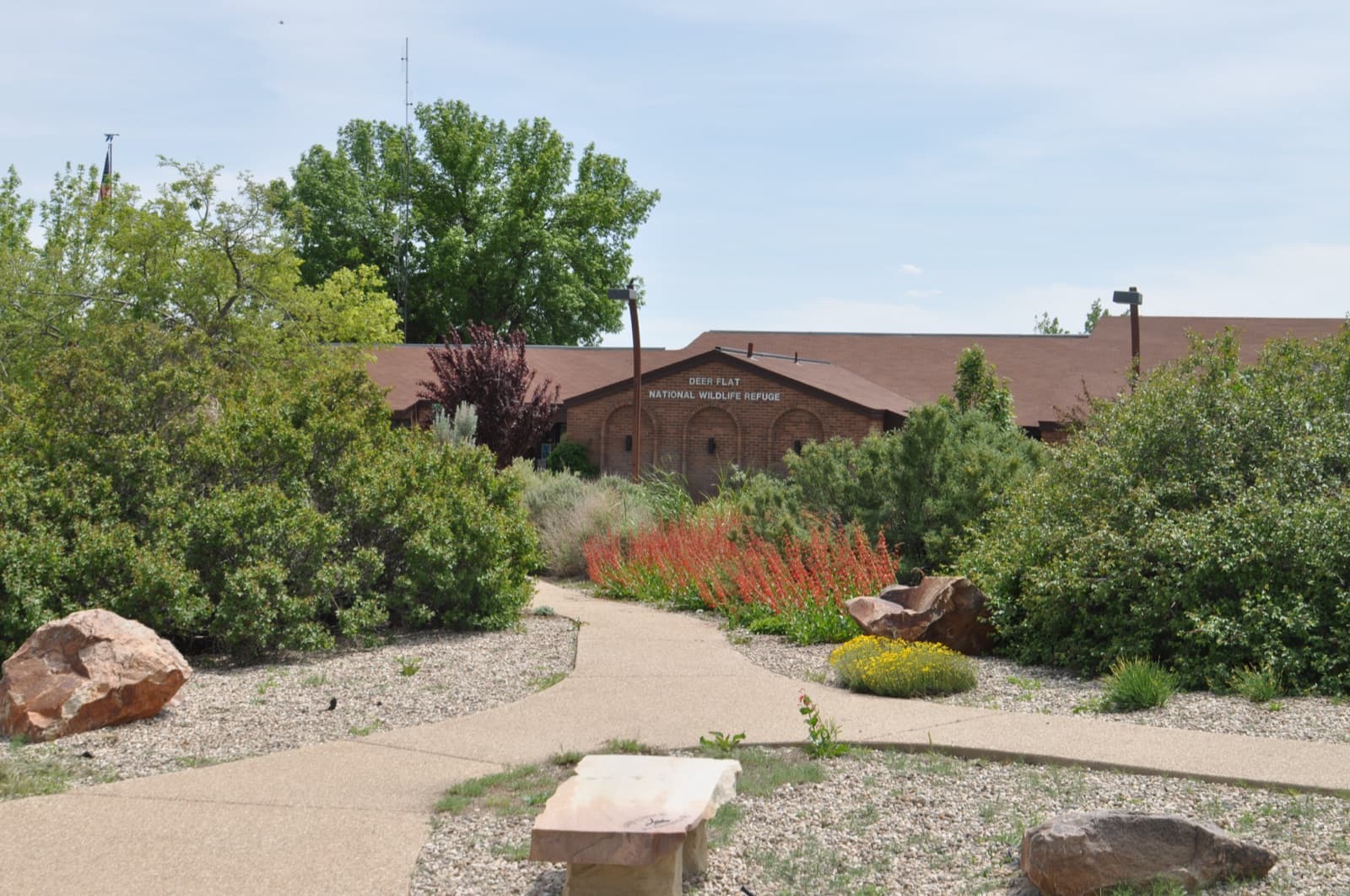
How we know
U.S. Fish and Wildlife Service, Deer Flat National Wildlife Refuge: Visit Us (opens in a new tab) (Sep 28) · U.S. Fish and Wildlife Service, Deer Flat National Wildlife Refuge: Species (Seasons of Wildlife) (opens in a new tab) (Sep 28) · National Weather Service forecast and alerts (opens in a new tab) (Sep 28)
Questions people ask
When is the best time to see winter wildlife at Deer Flat National Wildlife Refuge?
Wintering ducks on Lake Lowell, October through January, with the duck peak in mid-December, per the Fish and Wildlife Service: Oct 1–Jan 31. That's general timing for this place, not a peak date or a forecast.
Is it wildlife season at Deer Flat National Wildlife Refuge right now?
Not now: the winter wildlife season is over for this year. The next one starts in about 3 days (Oct 1–Jan 31, local timing).
When is the best time of day to see the flocks?
Dawn or dusk. The ducks and geese roost on the lake at night and leave in big flocks at dawn to feed nearby; in the daytime, look for geese feeding on the refuge's farm fields.Source: U.S. Fish and Wildlife Service, Deer Flat National Wildlife Refuge: Species (Seasons of Wildlife) ↗ (opens in a new tab)
When is the refuge open?
Daily during daylight hours. The visitor center is typically open weekdays 8 a.m. to 4 p.m. and Saturdays 10 a.m. to 4 p.m., except on federal holidays.Source: U.S. Fish and Wildlife Service, Deer Flat National Wildlife Refuge: Visit Us ↗ (opens in a new tab)
Is there drinking water on the trails?
No. Bring your own, or fill a reusable bottle at the station inside the visitor center while it's open. Dress warmly: winter winds can make it feel even colder.Source: U.S. Fish and Wildlife Service, Deer Flat National Wildlife Refuge: Visit Us ↗ (opens in a new tab)
Can I tour the lake by car?
Yes: the 29.5-mile Lake Lowell Unit Bird Tour starts and ends at the east end of the Upper Dam. The visitor center has more information, and lends binoculars during open hours.Source: U.S. Fish and Wildlife Service, Deer Flat National Wildlife Refuge: Visit Us ↗ (opens in a new tab)
Where are the best spots in Deer Flat National Wildlife Refuge?
Observation Hill Trail viewing platform: looks out over almost the entire Lake Lowell Unit; hike up through sagebrush, or request a permit to drive to the platform; Swallow Nest Trail: an accessible trail across the Upper Dam, where you can see grebes, herons, egrets, Canada geese and a variety of ducks.
Are there closures or permits to know about in Deer Flat National Wildlife Refuge?
Observation Hill Trail viewing platform: looks out over almost the entire Lake Lowell Unit; hike up through sagebrush, or request a permit to drive to the platform.
What is Deer Flat National Wildlife Refuge like through the year?
Wildflowers and returning songbirds (Apr–May), Swimming allowed at Lake Lowell (Apr–Sep), Fall color around Lake Lowell (Oct), Wintering ducks on Lake Lowell (peak in mid-December) (Oct–Jan), Geese on Lake Lowell (goose numbers peak in mid-November) (Oct–Jan), Shorebirds on the east-end mudflats, when water conditions are right (Jul–Oct) and Dancing and diving grebes (Jun–Sep).