Fish Springs Refugewinter wildlife
Tundra swans arrive in mid-October and stay into January, per the Fish and Wildlife Service (Oct 15–Jan 31). No official report yet this season.
Right now in Fish Springs Refuge · September
17days to the next winter wildlife seasonOct 15–Jan 31, local timing
Fish Springs National Wildlife Refuge through the year
- Spring shorebird migration (early April to mid-May)Apr–May
- Ducklings and young avocets and stiltsJun–Jul
- Tundra swans (mid-October into January)Oct–Jan
- Northern harriers, rough-legged hawks and short-eared owls hunting the frozen marshDec–Mar
Where to watch
- Auto Tour RoutePasses desert uplands, wet meadows, marshes and open water; open in daylight, 25 mph, and stop only in parking areas or on the road shoulder without blocking the road
- Thomas Ranch Watchable Wildlife AreaApart from the roads and parking areas, the one place on the refuge open for walking, wildlife watching and photography
Fish Springs Refuge in pictures
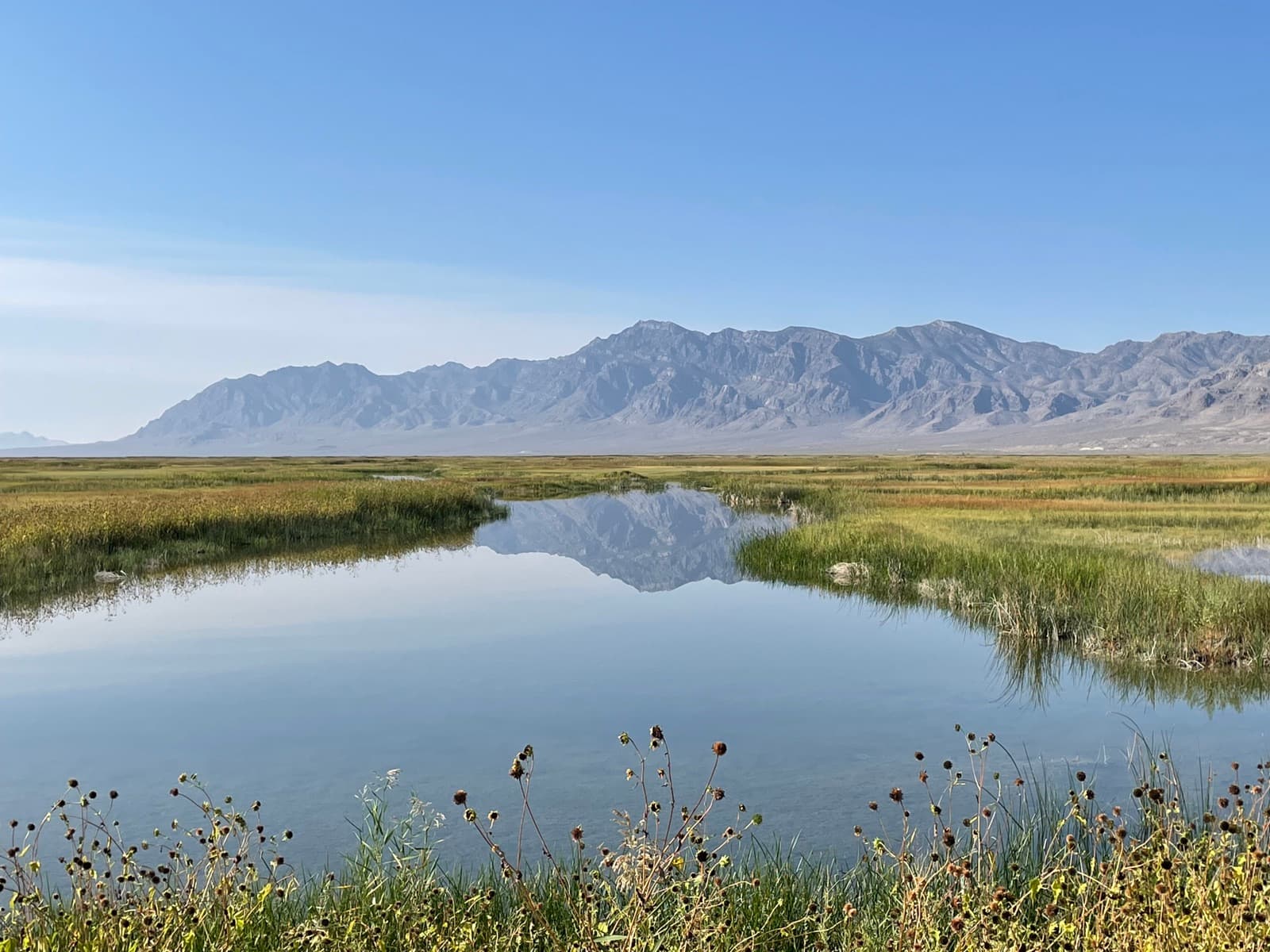
How we know
U.S. Fish and Wildlife Service, Fish Springs National Wildlife Refuge: Species (Seasons of Wildlife) (opens in a new tab) (Sep 28) · U.S. Fish and Wildlife Service, Fish Springs National Wildlife Refuge: Visit Us (opens in a new tab) (Sep 28) · U.S. Fish and Wildlife Service, Fish Springs National Wildlife Refuge: Rules and Policies (opens in a new tab) (Sep 28) · National Weather Service forecast and alerts (opens in a new tab) (Sep 28)
Questions people ask
When is the best time to see winter wildlife at Fish Springs National Wildlife Refuge?
Tundra swans arrive in mid-October and stay into January, per the Fish and Wildlife Service: Oct 15–Jan 31. That's general timing for this place, not a peak date or a forecast.
Is it wildlife season at Fish Springs National Wildlife Refuge right now?
Not now: the winter wildlife season is over for this year. The next one starts in about 17 days (Oct 15–Jan 31, local timing).
How remote is it?
Very. It's one of the most isolated refuges in the lower 48, 75 miles from the closest town with services, and every route means 25 to 80 miles of gravel road. Fill up on gas and bring a good spare tire; an extra spare is wise.Source: U.S. Fish and Wildlife Service, Fish Springs National Wildlife Refuge: Visit Us ↗ (opens in a new tab)
Is it safe to drive out in winter?
Go prepared: snow drifts have stranded many travelers, so carry warm clothing, sleeping bags and plenty of water. Cell phones don't work for many miles around; there's a pay phone at the main entrance.Sources: U.S. Fish and Wildlife Service, Fish Springs National Wildlife Refuge: Visit Us ↗ (opens in a new tab), U.S. Fish and Wildlife Service, Fish Springs National Wildlife Refuge: Rules and Policies ↗ (opens in a new tab)
Can I follow my GPS?
Not blindly. GPS units show roads in poor condition, unmaintained, or inside secure military areas, and travelers following them have spent nights stuck in their cars. Use the refuge's directions and paper maps.Source: U.S. Fish and Wildlife Service, Fish Springs National Wildlife Refuge: Visit Us ↗ (opens in a new tab)
When is it open, and can I camp?
Sunrise to sunset, every day of the year. Camping and overnight parking, RVs included, are not allowed. Dogs must be under your direct control.Source: U.S. Fish and Wildlife Service, Fish Springs National Wildlife Refuge: Rules and Policies ↗ (opens in a new tab)
Where are the best spots in Fish Springs National Wildlife Refuge?
Auto Tour Route: passes desert uplands, wet meadows, marshes and open water; open in daylight, 25 mph, and stop only in parking areas or on the road shoulder without blocking the road; Thomas Ranch Watchable Wildlife Area: apart from the roads and parking areas, the one place on the refuge open for walking, wildlife watching and photography.
What is Fish Springs National Wildlife Refuge like through the year?
Tundra swans (mid-October into January) (Oct–Jan), Northern harriers, rough-legged hawks and short-eared owls hunting the frozen marsh (Dec–Mar), Spring shorebird migration (early April to mid-May) (Apr–May) and Ducklings and young avocets and stilts (Jun–Jul).