Kootenai Refugefall wildlife
Wildlife refugeAt Kootenai National Wildlife Refuge, Duck migration peaks in early November, per the Fish and Wildlife Service. Next window starts in about 4 weeks (early November).
Checked against 3 official sources · How we check →
About Kootenai Refuge
- What it is
- A wildlife refuge in Idaho
- What you'll see
- Fall duck migration · most numerous early November
- Before you go
- Roads: Closed to cars since July 6, 2026; walk or bike it from headquarters.
Your guide to the area
- Kootenai RefugeLocal timing: early NovemberThis page
Where to watch
Auto Tour Route
Best spot
Closed to all motor vehicles since July 6, 2026; walkers and cyclists can still use it, from refuge headquarters only (the Deep Creek exit is closed), with heavy equipment on the route
Around Kootenai Refuge
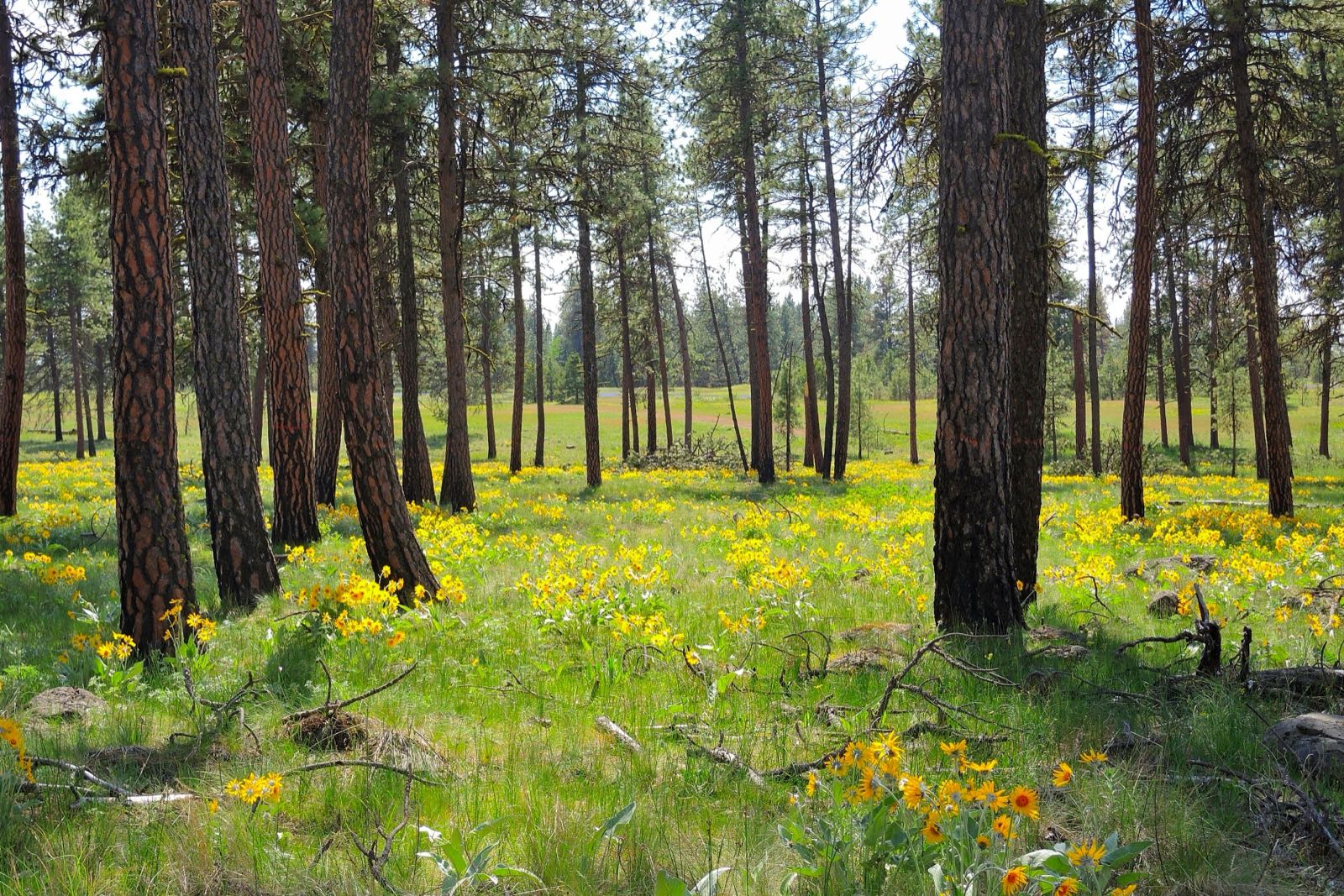
Next season here: Fall duck migration, early November.
The year at Kootenai Refuge
- Northbound waterfowl as the ponds thawlate February
- Waterfowl, bald eagles, ospreys and songbirds nestinglate spring
- Goslings and ducklings on the pondsearly summer
- Nov: Duck migration peakearly November
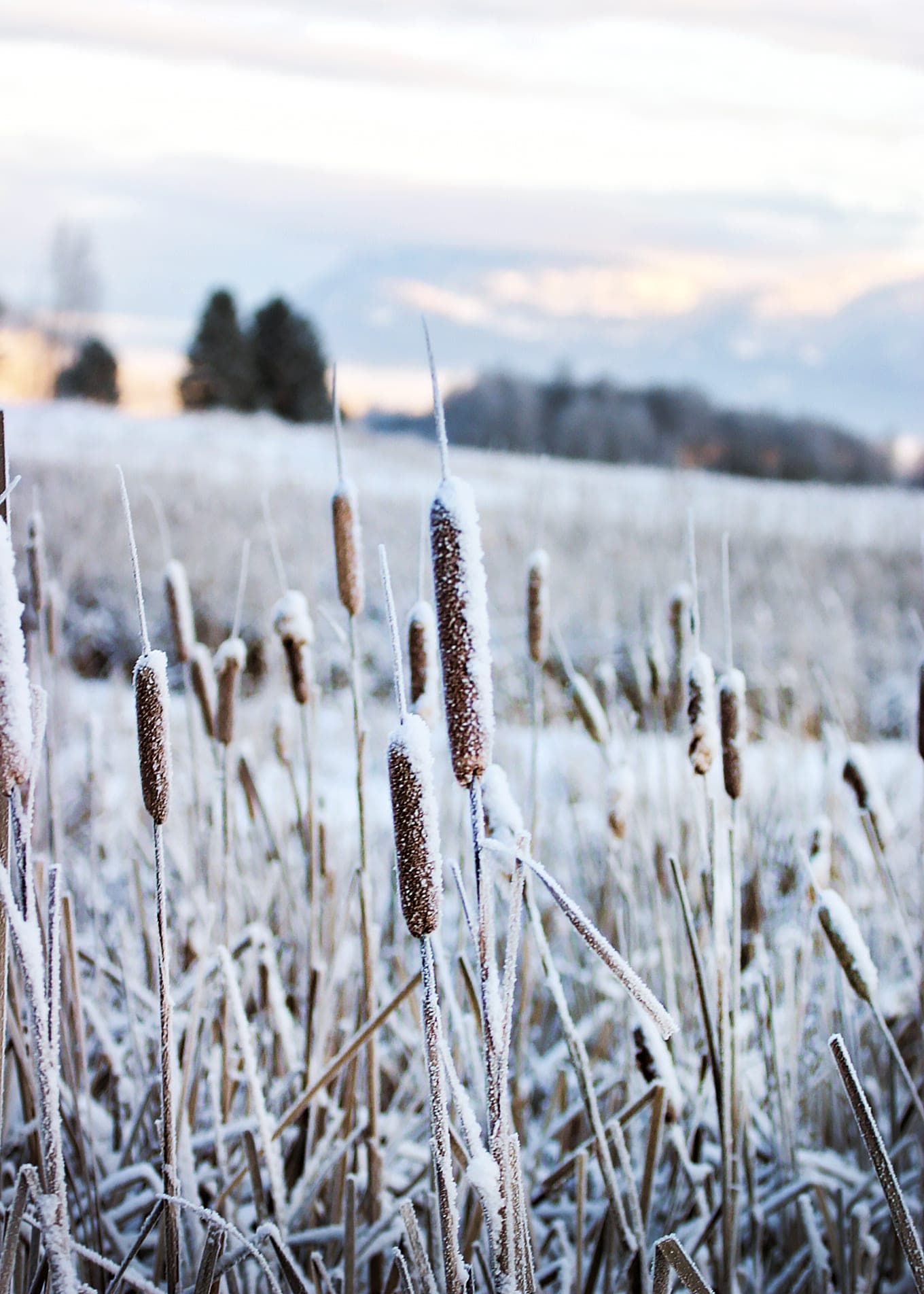
Kootenai Refuge in pictures
Questions people ask
When is the best time to see wildlife at Kootenai National Wildlife Refuge?
Most numerous: early November. Duck migration peaks in early November, per the Fish and Wildlife Service.
Is it wildlife season at Kootenai National Wildlife Refuge right now?
Not yet: its usual fall wildlife timing is early November, local timing.
When do ducks peak at Kootenai Refuge?
Duck migration peaks in early November; by late November the ponds freeze and the remaining waterfowl move to the ice-free Kootenai River.Source: U.S. Fish and Wildlife Service, Kootenai National Wildlife Refuge ↗ (opens in a new tab)
Can I drive the Kootenai Refuge auto tour?
Not right now: since July 6, 2026 it's closed to all motor vehicles. You can still walk or bike it, starting from headquarters, because the Deep Creek exit is closed.Source: U.S. Fish and Wildlife Service, Kootenai National Wildlife Refuge ↗ (opens in a new tab)
Does Kootenai Refuge charge a fee?
No: no fees are charged to the public.Source: U.S. Fish and Wildlife Service, Kootenai National Wildlife Refuge ↗ (opens in a new tab)
When do waterfowl come back to Kootenai Refuge in spring?
The northward migration coincides with the ponds thawing in late February.Source: U.S. Fish and Wildlife Service, Kootenai National Wildlife Refuge ↗ (opens in a new tab)
Where are the best spots in Kootenai National Wildlife Refuge?
The best spots are Auto Tour Route and Chickadee Trail. Auto Tour Route: closed to all motor vehicles since July 6, 2026; walkers and cyclists can still use it, from refuge headquarters only (the Deep Creek exit is closed), with heavy equipment on the route. Chickadee Trail: one of the refuge's walking trails.
What is Kootenai National Wildlife Refuge like through the year?
Kootenai National Wildlife Refuge has something to see in 6 months of the year. Northbound waterfowl as the ponds thaw: Feb–Mar. Waterfowl, bald eagles, ospreys and songbirds nesting: May–Jun. Goslings and ducklings on the ponds: Jun–Jul. Duck migration peak: Nov.
How we know · Sources (3)
How we know
U.S. Fish and Wildlife Service, Kootenai National Wildlife Refuge (opens in a new tab) (Oct 3) · U.S. Fish and Wildlife Service, Kootenai National Wildlife Refuge (opens in a new tab) (Oct 1) · U.S. Fish and Wildlife Service, Kootenai National Wildlife Refuge (opens in a new tab) (Sep 30)