Sequoyah Refugewinter wildlife
Waterfowl typically gather in their highest numbers from November through January, per the Fish and Wildlife Service (Nov 1–Jan 31). No official report yet this season.
Right now in Sequoyah Refuge · September
- Songbirds · Mar–Sep
34days to the next winter wildlife seasonNov 1–Jan 31, local timing
Sequoyah National Wildlife Refuge through the year
- SongbirdsNowMar–Sep
- Bald eaglesOct–Feb
- Snow goose flocks of up to 20,000, the largest in OklahomaNov–Dec
- Waterfowl at their highest numbers, November through JanuaryNov–Jan
Where to watch
- Horton Slough Nature TrailA 1-mile paved, accessible trail next to headquarters with an overlook on Sally Jones Lake, where thousands of snow geese and other waterfowl spend the winter
- Sandtown Woods Nature TrailA 1-mile paved, accessible trail from the Sandtown Woods parking area, looking across the Arkansas and Canadian Rivers' delta; a good place to watch waterfowl move
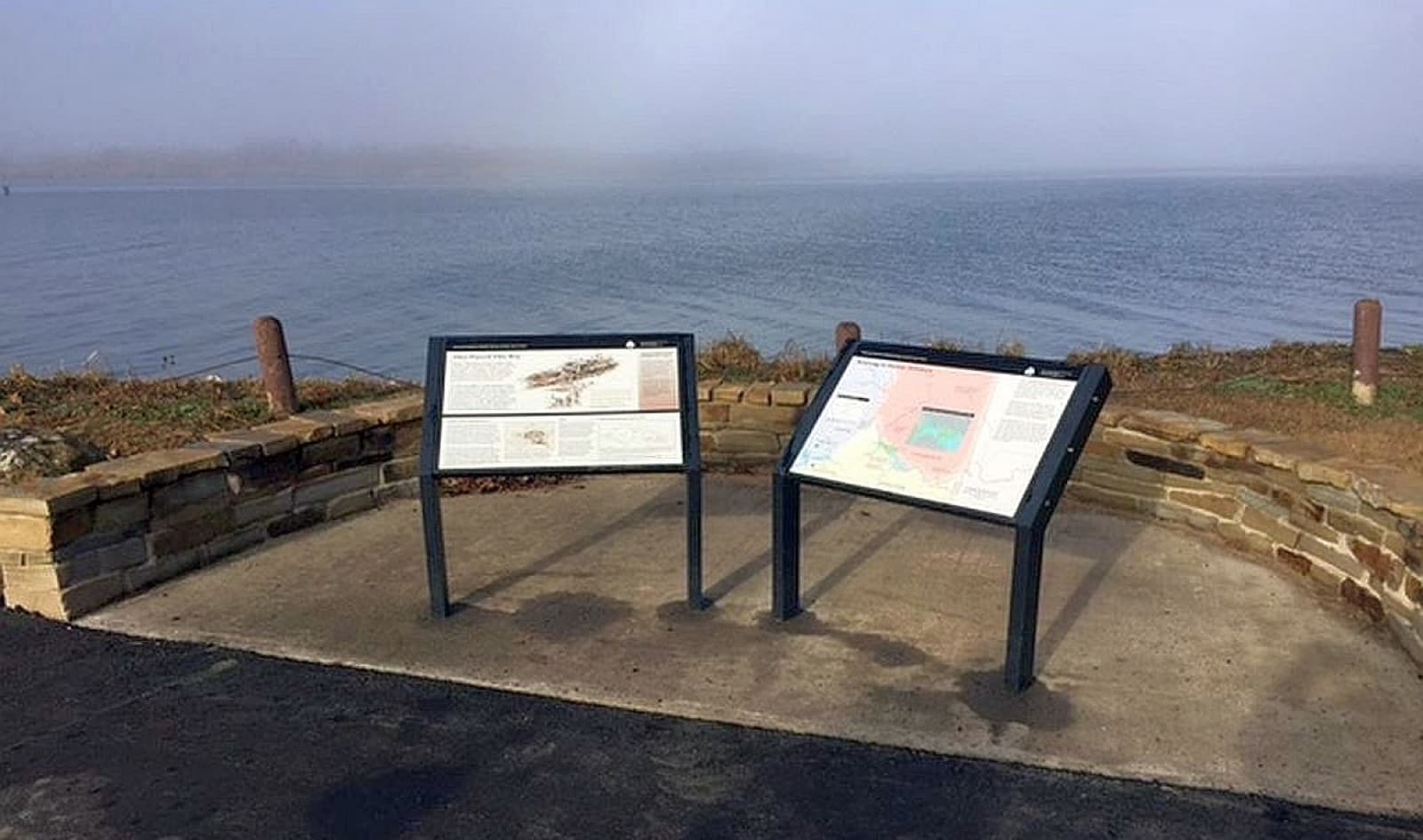
Sequoyah Refuge in pictures
How we know
U.S. Fish and Wildlife Service, Sequoyah NWR: Visit Us (opens in a new tab) (Sep 28) · U.S. Fish and Wildlife Service, Sequoyah NWR: Species (opens in a new tab) (Sep 28) · National Weather Service forecast and alerts (opens in a new tab) (Sep 28)
Questions people ask
When is the best time to see winter wildlife at Sequoyah National Wildlife Refuge?
Waterfowl typically gather in their highest numbers from November through January, per the Fish and Wildlife Service: Nov 1–Jan 31. That's general timing for this place, not a peak date or a forecast.
Is it wildlife season at Sequoyah National Wildlife Refuge right now?
Not now: the winter wildlife season is over for this year. The next one starts in about 34 days (Nov 1–Jan 31, local timing).
Is there a fee?
No, there is no charge to visit.Source: U.S. Fish and Wildlife Service, Sequoyah NWR: Visit Us ↗ (opens in a new tab)
When is it open?
The Sandtown Bottom Unit, including Sally Jones Lake, is open daily from 5 a.m. until one hour after legal sunset. Headquarters is open Monday to Thursday 7:30 a.m. to 4 p.m. and Friday 7:30 a.m. to 3:30 p.m.Source: U.S. Fish and Wildlife Service, Sequoyah NWR: Visit Us ↗ (opens in a new tab)
Can I bring my dog?
Yes, pets must be on a leash or under control.Source: U.S. Fish and Wildlife Service, Sequoyah NWR: Visit Us ↗ (opens in a new tab)
Are there restrooms?
Inside refuge headquarters, plus vault toilets without running water at both nature trails, Moody and Stoney Point boat ramps and Reeve's Slough Parking Area.Source: U.S. Fish and Wildlife Service, Sequoyah NWR: Visit Us ↗ (opens in a new tab)
Is there hunting?
Yes, in designated areas, and only Saturday through Tuesday.Source: U.S. Fish and Wildlife Service, Sequoyah NWR: Visit Us ↗ (opens in a new tab)
Where are the best spots in Sequoyah National Wildlife Refuge?
Horton Slough Nature Trail: a 1-mile paved, accessible trail next to headquarters with an overlook on Sally Jones Lake, where thousands of snow geese and other waterfowl spend the winter; Sandtown Woods Nature Trail: a 1-mile paved, accessible trail from the Sandtown Woods parking area, looking across the Arkansas and Canadian Rivers' delta; a good place to watch waterfowl move.
What is Sequoyah National Wildlife Refuge like through the year?
Waterfowl at their highest numbers, November through January (Nov–Jan), Snow goose flocks of up to 20,000, the largest in Oklahoma (Nov–Dec), Bald eagles (Oct–Feb) and Songbirds (Mar–Sep).