Nestucca Bay Refugefall & winter wildlife
Wildlife refugeAt Nestucca Bay National Wildlife Refuge, thousands of wintering white-cheeked geese, including dusky Canada geese and the small Semidi Islands Aleutian cackling goose population: a visit late October to early April is ideal, per the Fish and Wildlife Service. Its usual window for this year has passed.
Updated
Sources for this timing ↓About Nestucca Bay Refuge
- What it is
- A wildlife refuge in Oregon
- What you'll see
- Wintering white-cheeked geese · usual peak Oct–Apr
- Before you go
- Do I need to pay or bring my dog? No fee: the refuge is fee-free. Dogs aren't allowed on either nature trail.
Right now at Nestucca Bay Refuge
Right now in Nestucca Bay Refuge · October
- Wintering white-cheeked geese: the ideal visit · late October to early April
Your guide to the area
- Winter
Places on this map, as a list
Where to watch
Goose Observation Tower
Best spot
A named viewing tower on the refuge, which is fee-free with accessible viewing decks
Two Rivers Nature Trail
Best spot
2.2 miles round trip with loop options, through coastal prairie, wildflower meadows and alder forest; moderately difficult
Nearby
Winter waterfowl in OregonWildlife refuge
49 mi
Season: During the winterU.S. Fish and Wildlife Service ↗
Swans and Roosevelt elk in OregonWildlife refuge
60 mi
Season: In the winterU.S. Fish and Wildlife Service ↗
Worth the drive · more than 60 miles
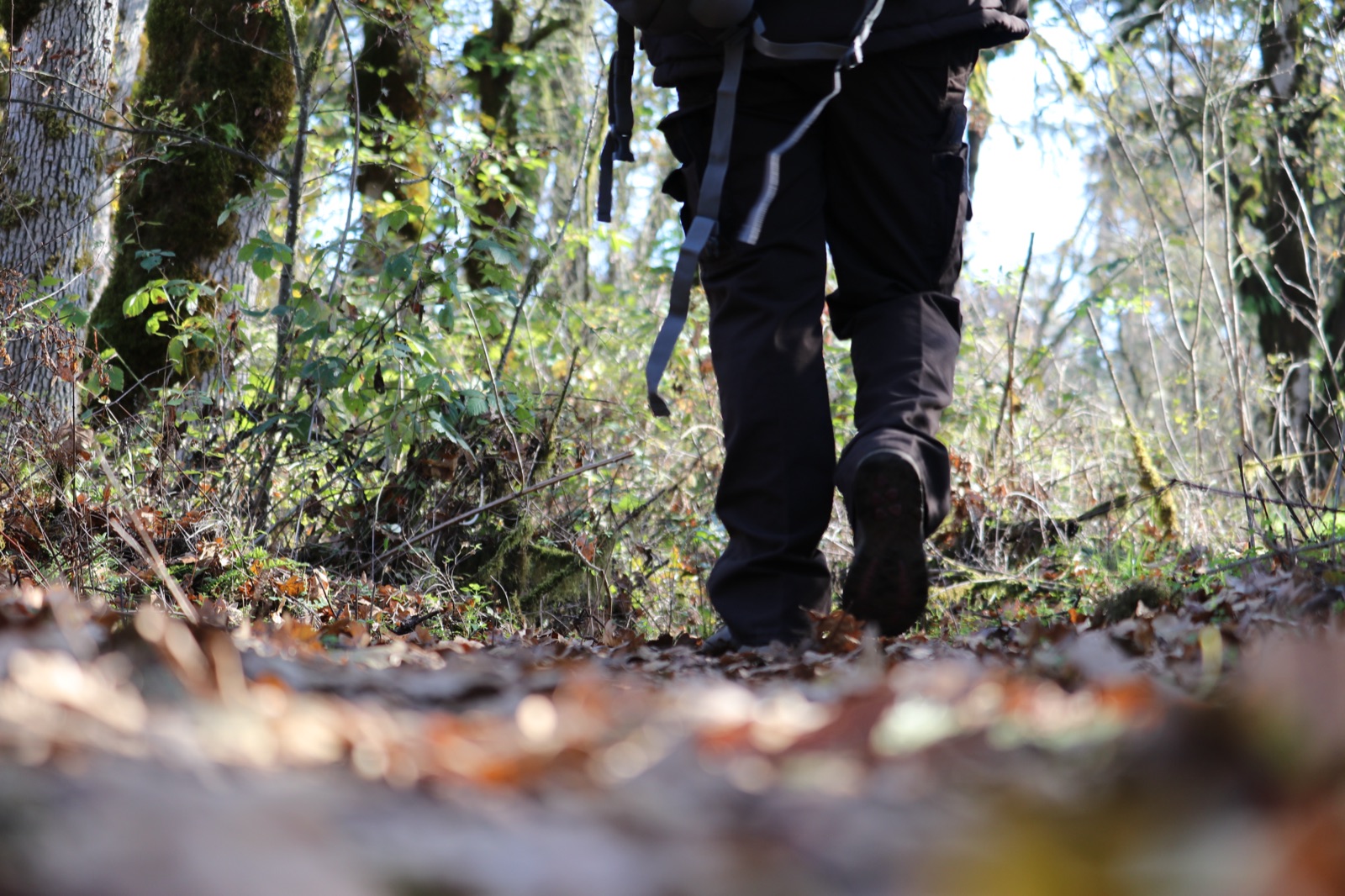
Ducks, geese and cranes in WashingtonWildlife refuge
74 mi · Sat: Sunny
Season: September through DecemberU.S. Fish and Wildlife Service ↗
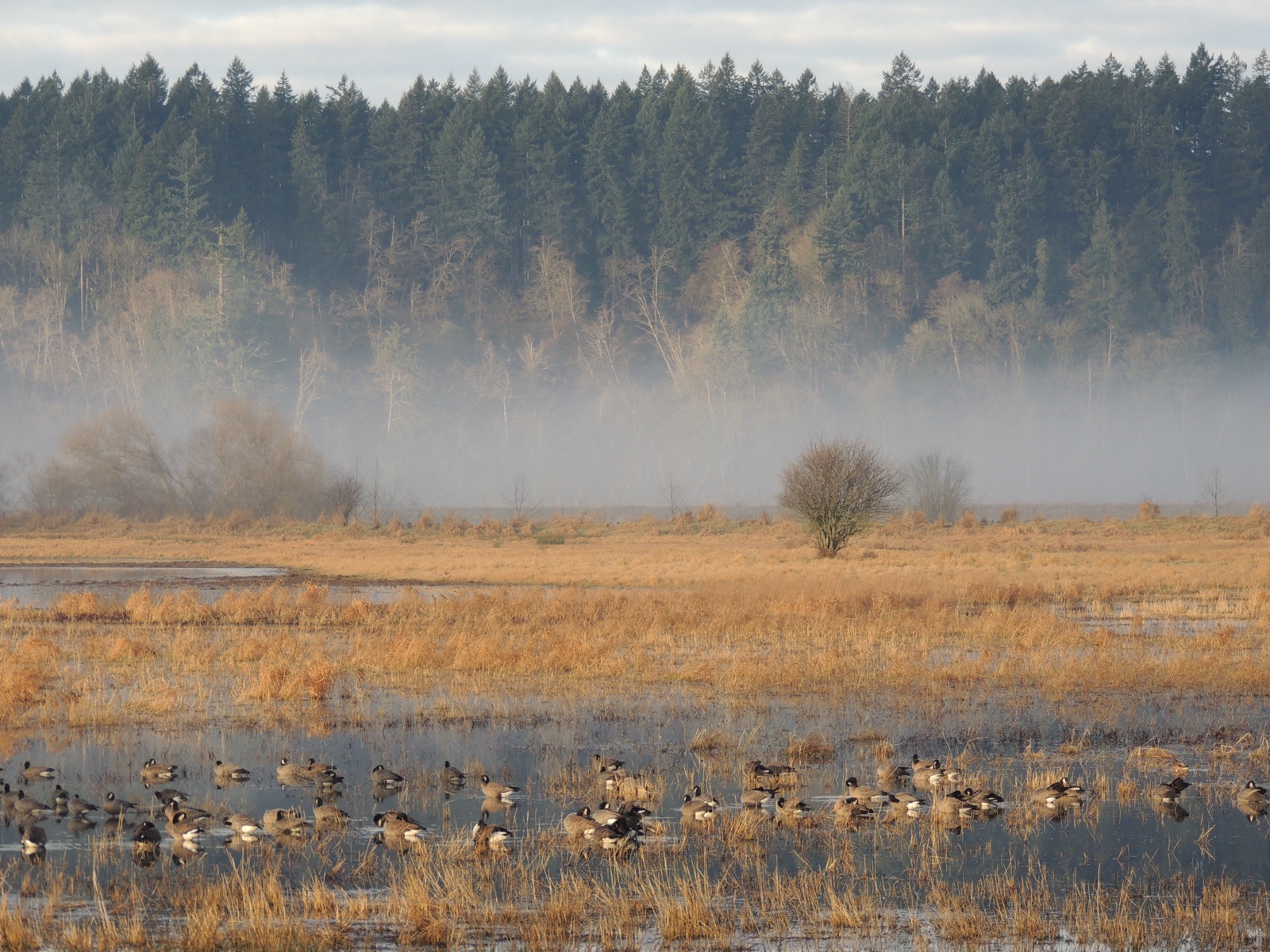
Geese and ducks in WashingtonWildlife refuge
145 mi · Sat: Patchy Fog then Partly Sunny
Season: December and JanuaryU.S. Fish and Wildlife Service ↗
The year at Nestucca Bay Refuge
- Early blue violets at the prairie edges, food for the threatened Oregon silverspot butterflyspring
- Prairies in bloom atop Cannery Hill; songbirds nesting along the Two Rivers Nature Trailsummer
- Wintering white-cheeked geese: the ideal visitNowlate October to early April
- Gray whales migrating south, seen from atop Cannery HillDecember and January
Questions people ask
When is the best time to see wildlife at Nestucca Bay National Wildlife Refuge?
Thousands of wintering white-cheeked geese, including dusky Canada geese and the small Semidi Islands Aleutian cackling goose population: a visit late October to early April is ideal, per the Fish and Wildlife Service: late October to early April. That's general timing for this place, not a peak date or a forecast.
Is it wildlife season at Nestucca Bay National Wildlife Refuge right now?
Not now: its usual fall & winter wildlife window for this year has passed. Next time: late October to early April, local timing.
When is the best time to see the geese at Nestucca Bay?
Late October to early April, when thousands of white-cheeked geese winter here, including the only coastal wintering population of dusky Canada geese.Source: U.S. Fish and Wildlife Service, Nestucca Bay National Wildlife Refuge ↗ (opens in a new tab)
Can I see whales from the refuge?
Gray whales can be seen from atop Cannery Hill as they migrate south in December and January, on their way to calving lagoons in Baja Mexico.Source: U.S. Fish and Wildlife Service, Nestucca Bay National Wildlife Refuge ↗ (opens in a new tab)
What else is around in winter?
Sea ducks, waterfowl and shorebirds such as Wilson's snipe are abundant, and after winter rains mushrooms, newts, salamanders and banana slugs dot the forest floor.Source: U.S. Fish and Wildlife Service, Nestucca Bay National Wildlife Refuge ↗ (opens in a new tab)
Why was the refuge set up?
It began in 1991 with 370 acres of short-grass pasture along the Nestucca and Little Nestucca Rivers, bought to give white-cheeked geese a place to winter.Source: U.S. Fish and Wildlife Service, Nestucca Bay National Wildlife Refuge ↗ (opens in a new tab)
Do I need to pay or bring my dog?
No fee: the refuge is fee-free. Dogs aren't allowed on either nature trail.Source: U.S. Fish and Wildlife Service, Nestucca Bay National Wildlife Refuge ↗ (opens in a new tab)
Where are the best spots in Nestucca Bay National Wildlife Refuge?
Goose Observation Tower: a named viewing tower on the refuge, which is fee-free with accessible viewing decks; Two Rivers Nature Trail: 2.2 miles round trip with loop options, through coastal prairie, wildflower meadows and alder forest; moderately difficult.
What is Nestucca Bay National Wildlife Refuge like through the year?
Wintering white-cheeked geese: the ideal visit (Oct–Apr), Gray whales migrating south, seen from atop Cannery Hill (Dec–Jan), Early blue violets at the prairie edges, food for the threatened Oregon silverspot butterfly (Mar–May) and Prairies in bloom atop Cannery Hill; songbirds nesting along the Two Rivers Nature Trail (Jun–Aug).
How we know · Sources (4)
How we know
U.S. Fish and Wildlife Service, Nestucca Bay National Wildlife Refuge (opens in a new tab) (Oct 2) · U.S. Fish and Wildlife Service, Nestucca Bay National Wildlife Refuge (opens in a new tab) (Oct 2) · U.S. Fish and Wildlife Service, Nestucca Bay National Wildlife Refuge (opens in a new tab) (Oct 2) · U.S. Fish and Wildlife Service, Goose Observation Tower (opens in a new tab) (Oct 2)