Back Bay Refugewinter wildlife
Wildlife refugeAt Back Bay National Wildlife Refuge, tundra swans, American black ducks, gadwall, buffleheads and many other ducks during the winter months, per the Fish and Wildlife Service (a season, not a peak). Its usual window for this year has passed.
Updated
Sources for this timing ↓About Back Bay Refuge
- What it is
- A wildlife refuge in Virginia
- A little history
- In 1938, to protect habitat for migrating and wintering ducks, geese and swans; its freshwater pools are managed for them in winter.
- What you'll see
- Tundra swans and winter ducks · during the winter months
- Before you go
- Is the beach open? About three miles of beach are open all year for walking, wildlife watching and surf fishing (no swimming or sunbathing); the North Mile and all dunes are closed.
Right now at Back Bay Refuge
Right now in Back Bay Refuge · October
- Thousands of tundra swans, snow and Canada geese on fall migration · fall/winter migration
Your guide to the area
- Winter
Places on this map, as a list
Where to watch
Sunset Point Overlook Loop
Best spot
A raised boardwalk 0.25 miles along Back Bay to a viewing platform facing south and west
Kuralt Trail
Best spot
A 0.1-mile walk through shrubby trees to a platform over a cove of Back Bay: a great place for ducks and swans in winter
Worth the drive
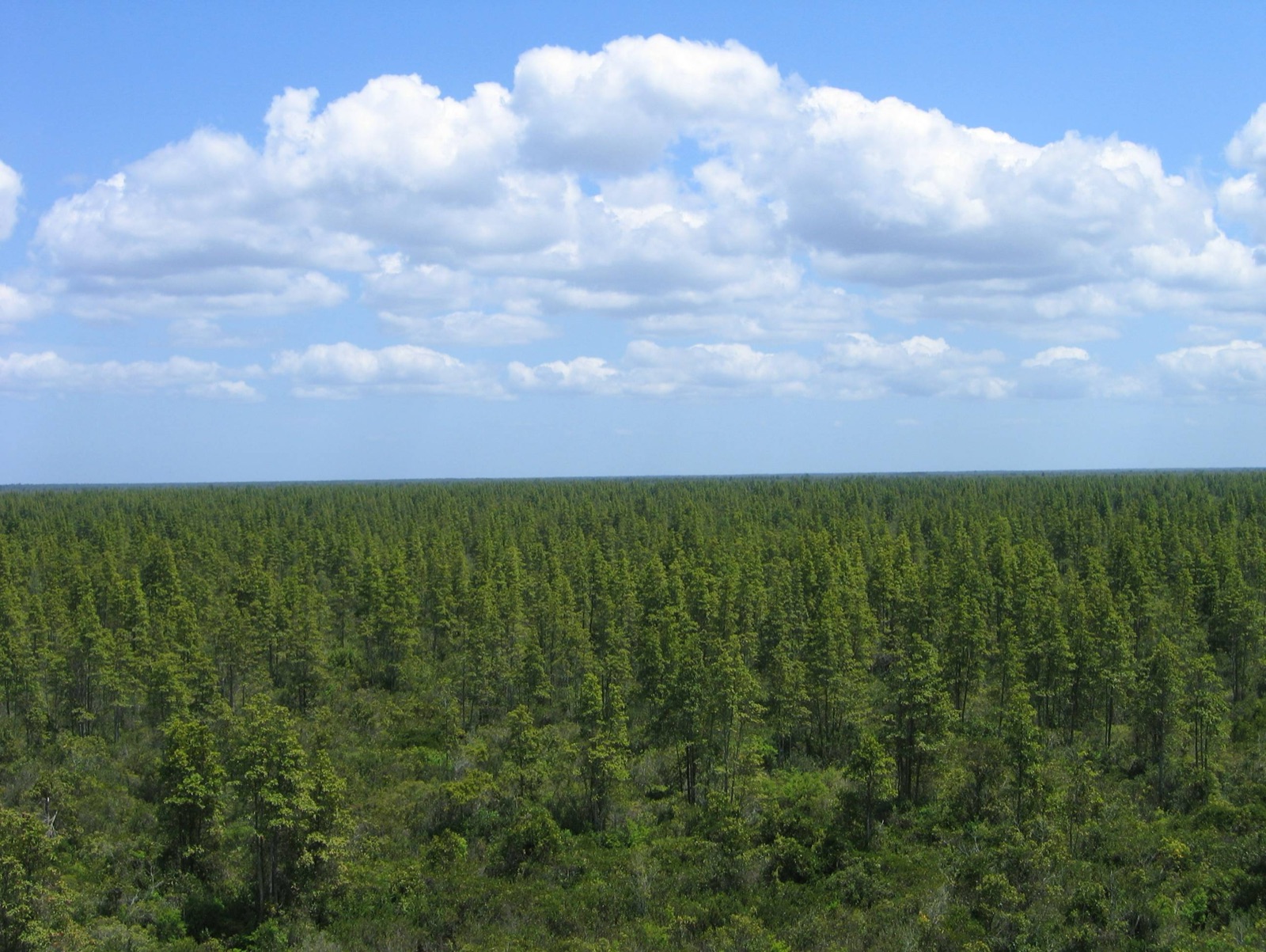
Tundra swans and snow geese in North CarolinaWildlife refuge
75 mi · Sat: Partly Sunny then Showers And Thunderstorms Likely
Season: November to FebruaryU.S. Fish and Wildlife Service ↗
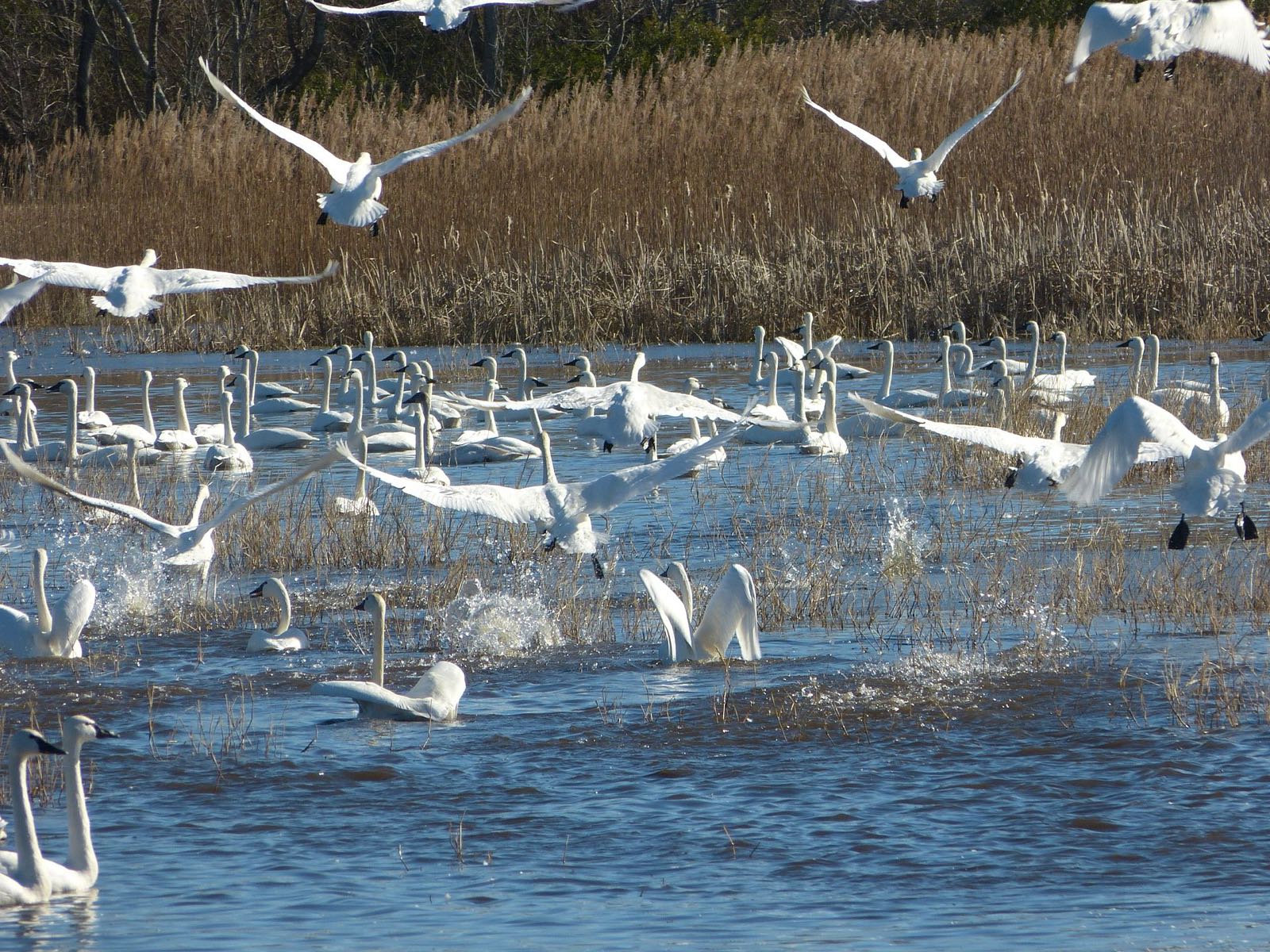
Tundra swans, geese and ducks in North CarolinaWildlife refuge
86 mi · Sat: Mostly Cloudy then Chance Showers And Thunderstorms
Usual peak: November through FebruaryU.S. Fish and Wildlife Service ↗
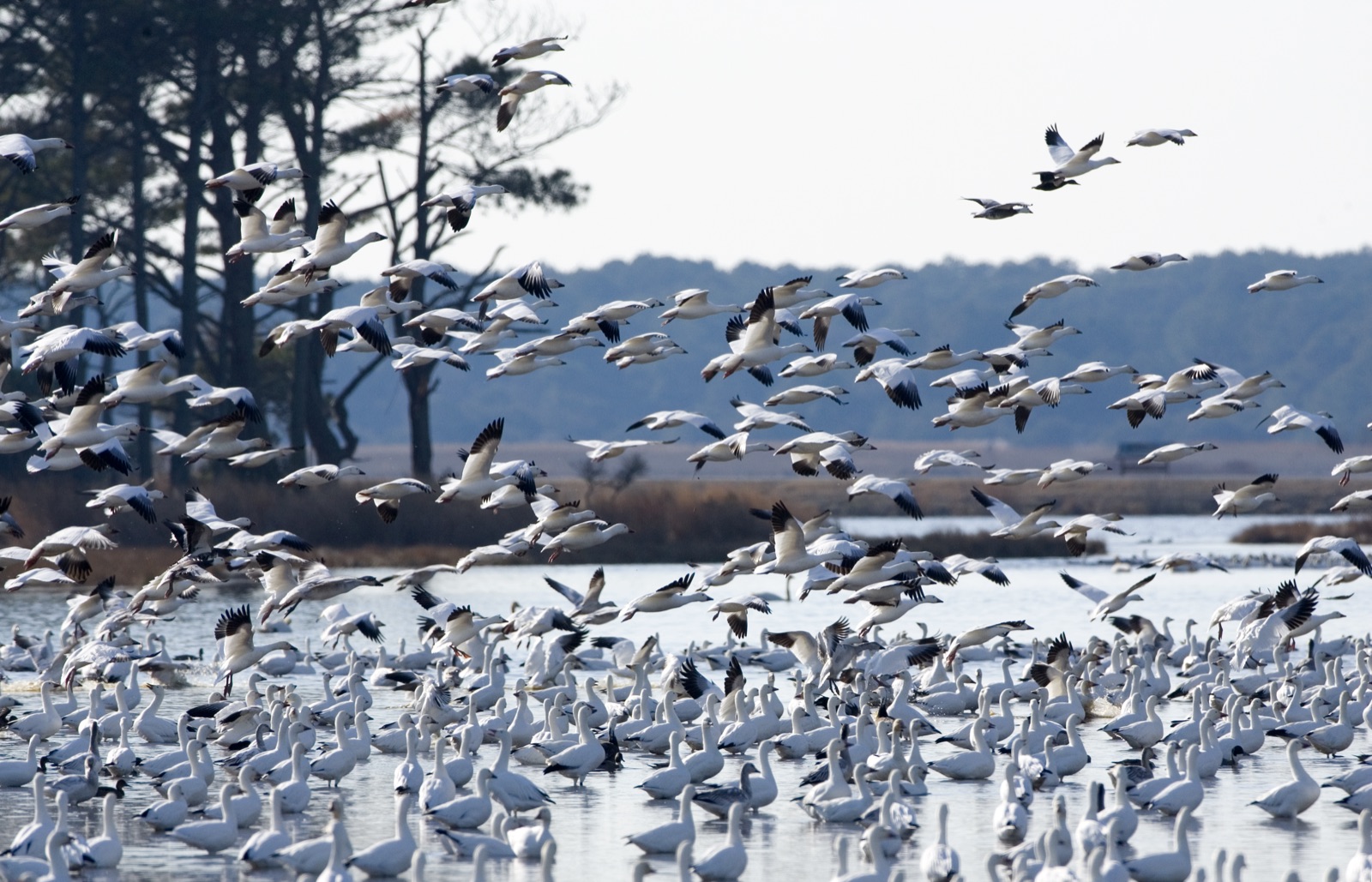
Snow geese and ducks in VirginiaWildlife refuge
91 mi · Sat: Chance Rain Showers
Season: November and DecemberU.S. Fish and Wildlife Service ↗
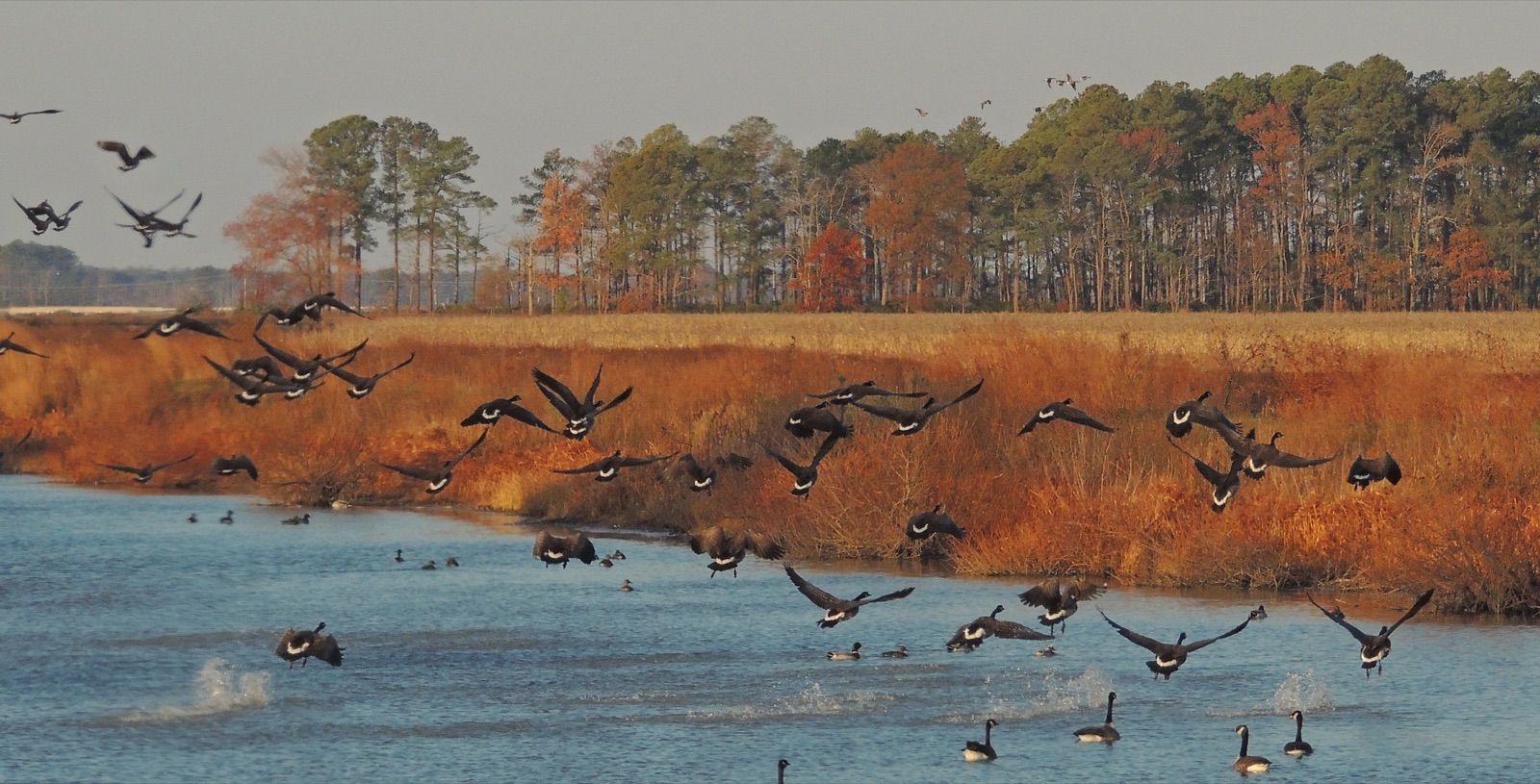
Geese, swans and ducks in MarylandWildlife refuge
123 mi · Sat: Chance Rain Showers
Season: January and FebruaryU.S. Fish and Wildlife Service ↗
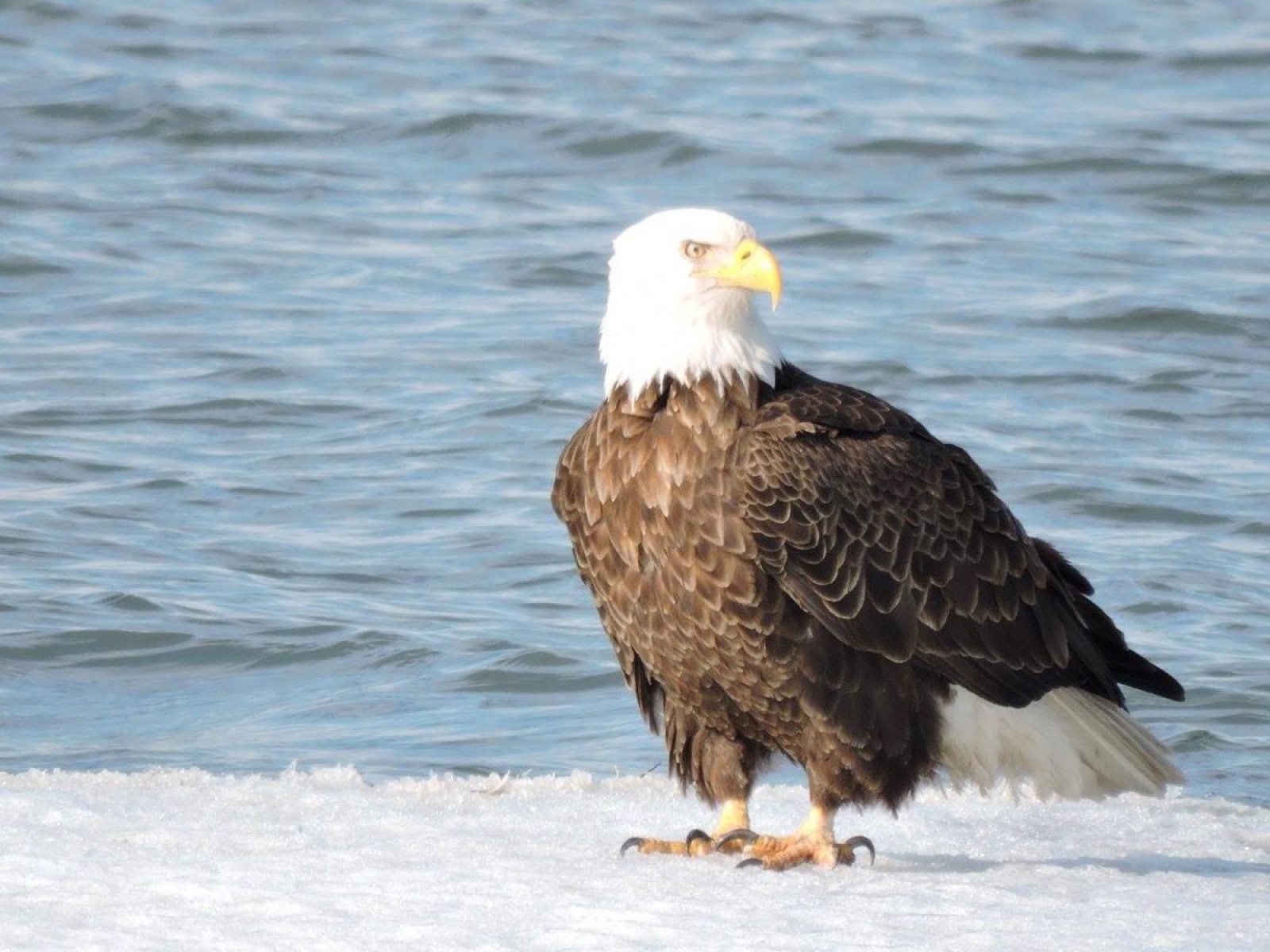
Tundra swans in MarylandWildlife refuge
163 mi · Sat: Chance Rain Showers then Partly Sunny
Season: Mid- to late November to the end of MarchU.S. Fish and Wildlife Service ↗
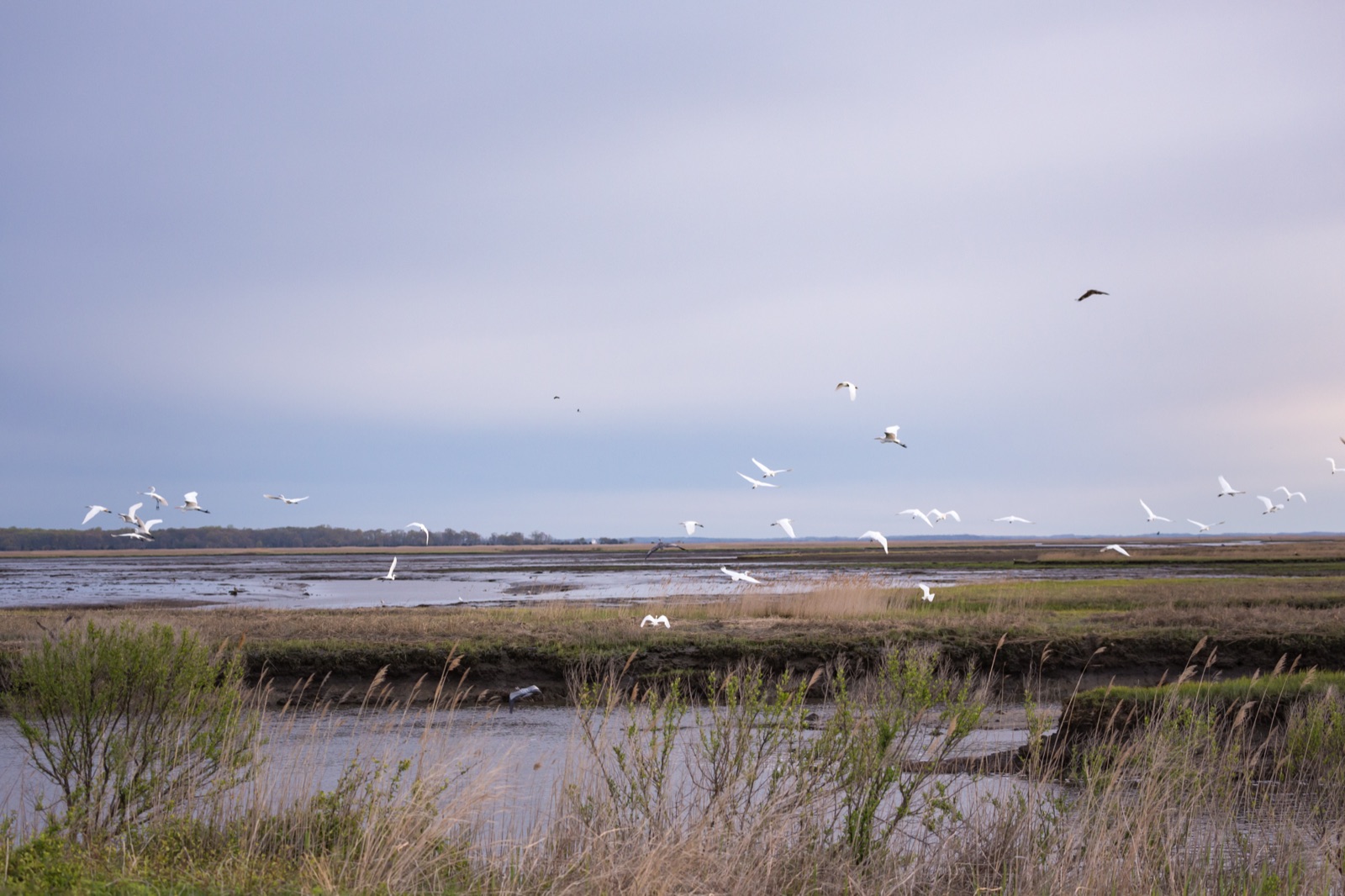
Waterfowl in DelawareWildlife refuge
181 mi · Sat: Slight Chance Rain Showers then Partly Sunny
Season: Nov–DecU.S. Fish and Wildlife Service ↗
The year at Back Bay Refuge
- Shorebirds and migrating songbirds like indigo buntingsspring and fall
- Thousands of tundra swans, snow and Canada geese on fall migrationNowfall/winter migration
- Tundra swans, black ducks, gadwall and buffleheadswinter
Questions people ask
When is the best time to see wildlife at Back Bay National Wildlife Refuge?
Tundra swans, American black ducks, gadwall, buffleheads and many other ducks during the winter months, per the Fish and Wildlife Service (a season, not a peak): during the winter months. That's general timing for this place, not a peak date or a forecast.
Is it wildlife season at Back Bay National Wildlife Refuge right now?
Not now: its usual winter wildlife window for this year has passed. Next time: during the winter months, local timing.
Can I hike to False Cape State Park in winter?
Only along the beach: both the East and West Dike Trails close November 1 through March 31 to protect wintering ducks, geese and swans.Source: U.S. Fish and Wildlife Service, Back Bay National Wildlife Refuge ↗ (opens in a new tab)
Is the beach open?
About three miles of beach are open all year for walking, wildlife watching and surf fishing (no swimming or sunbathing); the North Mile and all dunes are closed.Source: U.S. Fish and Wildlife Service, Back Bay National Wildlife Refuge ↗ (opens in a new tab)
What should I wear?
Layers: there's almost always a breeze on the coast, and in winter it can be chilly.Source: U.S. Fish and Wildlife Service, Back Bay National Wildlife Refuge ↗ (opens in a new tab)
Why was Back Bay set up?
In 1938, to protect habitat for migrating and wintering ducks, geese and swans; its freshwater pools are managed for them in winter.Sources: U.S. Fish and Wildlife Service, Back Bay National Wildlife Refuge ↗ (opens in a new tab), U.S. Fish and Wildlife Service, Back Bay National Wildlife Refuge ↗ (opens in a new tab)
Where are the best spots in Back Bay National Wildlife Refuge?
Sunset Point Overlook Loop: a raised boardwalk 0.25 miles along Back Bay to a viewing platform facing south and west; Kuralt Trail: a 0.1-mile walk through shrubby trees to a platform over a cove of Back Bay: a great place for ducks and swans in winter.
What is Back Bay National Wildlife Refuge like through the year?
Tundra swans, black ducks, gadwall and buffleheads (Dec–Feb), Shorebirds and migrating songbirds like indigo buntings (Mar–May) and Thousands of tundra swans, snow and Canada geese on fall migration (Sep–Nov).
How we know · Sources (5)
How we know
U.S. Fish and Wildlife Service, Back Bay National Wildlife Refuge (opens in a new tab) (Oct 2) · U.S. Fish and Wildlife Service, Back Bay National Wildlife Refuge (opens in a new tab) (Oct 2) · U.S. Fish and Wildlife Service, Back Bay National Wildlife Refuge (opens in a new tab) (Oct 2) · U.S. Fish and Wildlife Service, Back Bay National Wildlife Refuge (opens in a new tab) (Oct 2) · U.S. Fish and Wildlife Service, Sunset Point Overlook (opens in a new tab) (Oct 2)