Eastern Neck Refugewinter wildlife
Tundra swans begin arriving by mid- to late November, sometimes earlier, and have typically left by the end of March, per the Fish and Wildlife Service (Nov 15–Mar 31). No official report yet this season.
Right now in Eastern Neck Refuge · September
- Southbound songbird migration peaks, late September to October · Sep–Oct
48days to the next winter wildlife seasonNov 15–Mar 31, local timing
Eastern Neck National Wildlife Refuge through the year
- Mar: Ospreys return around St. Patrick's DayMar
- Jul: Butterflies at their peakJul
- Southbound songbird migration peaks, late September to OctoberNowSep–Oct
- Tundra swans, from mid- to late November to the end of MarchNov–Mar
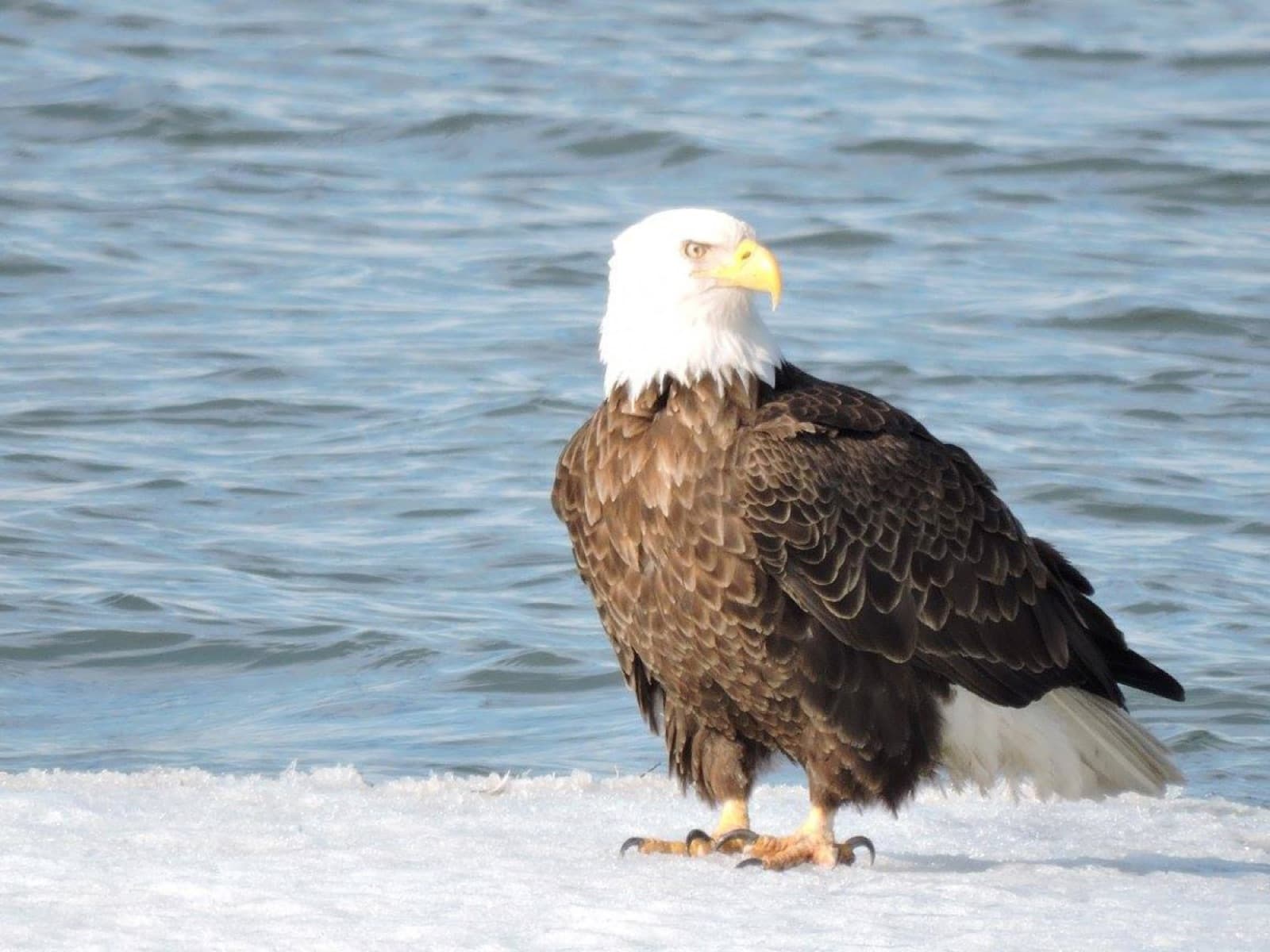
- Bald eagles build nests (December and January) and lay eggs through FebruaryDec–Feb
Where to watch
- Boxes Point Trail1.1 miles round trip, from the Tubby Cove parking area; waterfowl, tundra swans included, often show here in late fall, winter and early spring. It may close seasonally for nesting bald eagles
- Duck Inn TrailOne mile round trip from the parking area on Bogle's Wharf Road, ending on the bank of the Chester River, where waterfowl may be seen in late fall, winter and early spring
Eastern Neck Refuge in pictures
How we know
U.S. Fish and Wildlife Service, Eastern Neck NWR: Species (Seasons of Wildlife) (opens in a new tab) (Sep 28) · U.S. Fish and Wildlife Service, Eastern Neck NWR: Visit Us (opens in a new tab) (Sep 28) · U.S. Fish and Wildlife Service, Eastern Neck NWR: Trails (opens in a new tab) (Sep 28) · National Weather Service forecast and alerts (opens in a new tab) (Sep 28)
Questions people ask
When is the best time to see winter wildlife at Eastern Neck National Wildlife Refuge?
Tundra swans begin arriving by mid- to late November, sometimes earlier, and have typically left by the end of March, per the Fish and Wildlife Service: Nov 15–Mar 31. That's general timing for this place, not a peak date or a forecast.
Is it wildlife season at Eastern Neck National Wildlife Refuge right now?
Not now: the winter wildlife season is over for this year. The next one starts in about 48 days (Nov 15–Mar 31, local timing).
When is the refuge open?
The outdoor areas are open every day of the year from dawn to dusk, except on posted hunt days. The Visitor Contact Station, in a historic hunting lodge, opens Friday to Sunday, 11 am to 3 pm, and can close during those hours for bad weather, high water or staffing shortages.Source: U.S. Fish and Wildlife Service, Eastern Neck NWR: Visit Us ↗ (opens in a new tab)
Is the refuge closed on any days this fall?
As of September 2026, the refuge is closed to the public for deer management hunts on October 3, 7 and 8, 14 and 15, and 21 and 22, 2026. Boaters can still reach Bogles Wharf to launch on those days.Source: U.S. Fish and Wildlife Service, Eastern Neck NWR: Visit Us ↗ (opens in a new tab)
Can I bring my dog?
Yes: dog walking is one of the refuge's listed activities, and its trail pages mark Boxes Point and Duck Inn as dog friendly.Sources: U.S. Fish and Wildlife Service, Eastern Neck NWR: Visit Us ↗ (opens in a new tab), U.S. Fish and Wildlife Service, Eastern Neck NWR: Trails ↗ (opens in a new tab)
How do I get there?
From Rock Hall, follow Route 445 (Main Street) about 8 miles to a small bridge; across it you're on the refuge, with an information kiosk at the first pull-off. The address is 1730 Eastern Neck Road, Rock Hall, MD.Source: U.S. Fish and Wildlife Service, Eastern Neck NWR: Visit Us ↗ (opens in a new tab)
Can I walk off the trails to get closer?
No. To protect wildlife and habitat, visitors have to stay on the designated trails and roads.Source: U.S. Fish and Wildlife Service, Eastern Neck NWR: Visit Us ↗ (opens in a new tab)
Where are the best spots in Eastern Neck National Wildlife Refuge?
Boxes Point Trail: 1.1 miles round trip, from the Tubby Cove parking area; waterfowl, tundra swans included, often show here in late fall, winter and early spring. It may close seasonally for nesting bald eagles; Duck Inn Trail: one mile round trip from the parking area on Bogle's Wharf Road, ending on the bank of the Chester River, where waterfowl may be seen in late fall, winter and early spring.
What is Eastern Neck National Wildlife Refuge like through the year?
Tundra swans, from mid- to late November to the end of March (Nov–Mar), Bald eagles build nests (December and January) and lay eggs through February (Dec–Feb), Ospreys return around St. Patrick's Day (Mar), Butterflies at their peak (Jul) and Southbound songbird migration peaks, late September to October (Sep–Oct).