Camas Refugespring migration
Waterbird migration (waterfowl and shorebirds): the peak runs from March through mid-May, per the Fish and Wildlife Service. This year's season is over; the next is in 2027.
Right now in Camas Refuge · September
- Elk rut and bugling, about mid-September · Sep
153days to the next spring migration seasonMarch through mid-May, local timing
Camas National Wildlife Refuge through the year
- Waterfowl and shorebird migration peak, March through mid-MayMar–May
- Mar: Snow geese resting on their way north: large numbers from mid-March, as many as 15,000 to 20,000 at the height of the migrationMar
- Songbirds heading north to breed: peak time late May through mid-JuneMay–Jun
- Waterfowl broods, elk calves and deer fawns, July through AugustJul–Aug
- Sep: Elk rut and bugling, about mid-SeptemberNowSep
- Snow on the ground in some years, from late October through AprilOct–Apr
- Bald eagles flying in to their night roost at headquarters, late November through MarchNov–Mar
Where to watch
- Auto-tour routeA drive past the refuge wetlands: the short loop is about 3.5 miles, the long loop about 7 miles with more ponds, a larger variety of wildlife and interpretive signs; open with the refuge, half an hour before sunrise to half an hour after sunset
- Birding TrailAn easy 1.8-mile gravel trail through the trees around headquarters, built through the refuge's best areas for songbirds; it starts in the headquarters parking lot behind the vault restrooms and is open year-round, though not maintained in winter
Camas Refuge in pictures
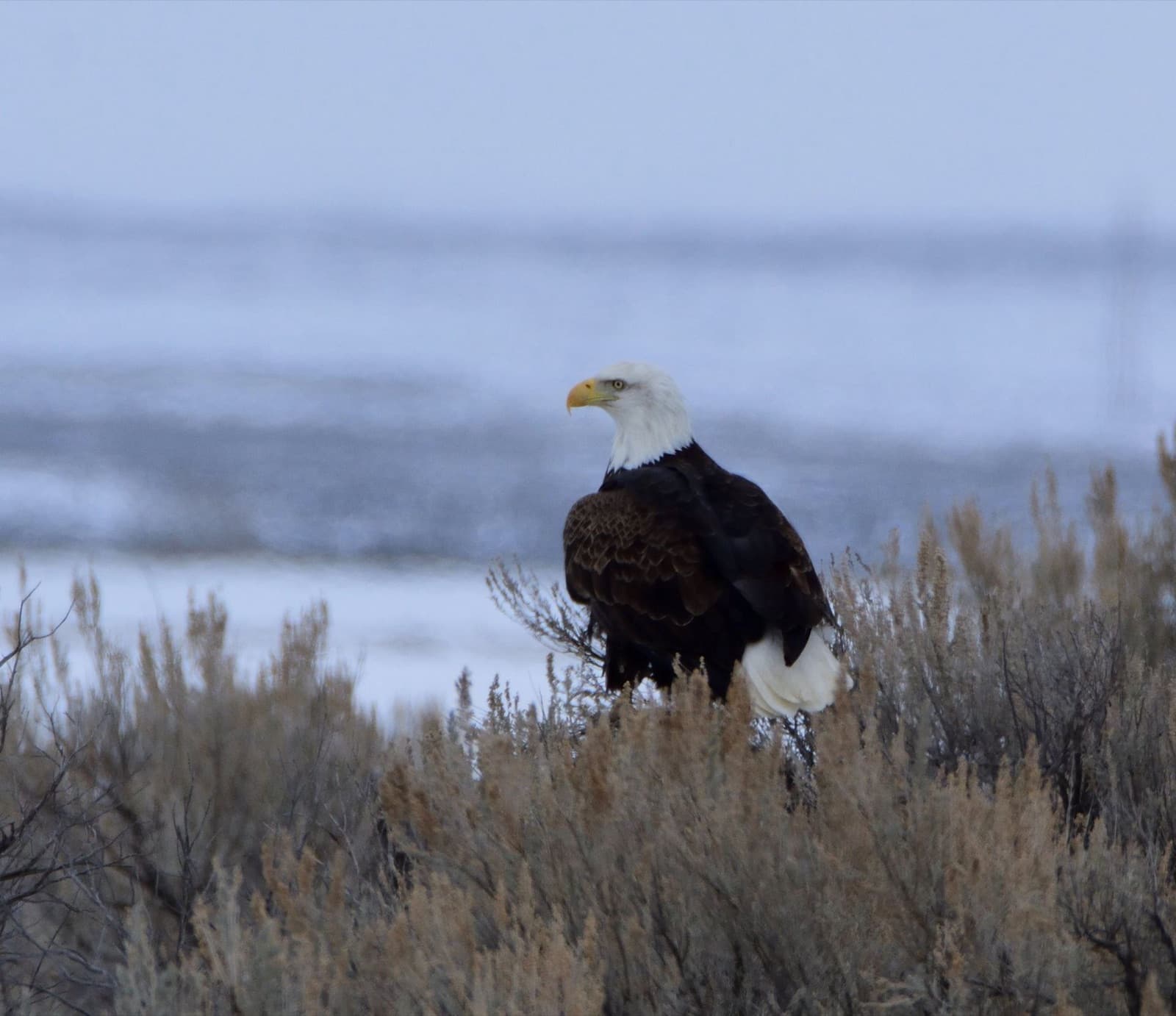
How we know
U.S. Fish and Wildlife Service, Camas NWR: Species (Seasons of Wildlife) (opens in a new tab) (Sep 29) · U.S. Fish and Wildlife Service, Camas NWR: Visit Us (opens in a new tab) (Sep 29) · U.S. Fish and Wildlife Service, Camas NWR: Rules and Policies (opens in a new tab) (Sep 29) · National Weather Service forecast and alerts (opens in a new tab) (Sep 29)
Questions people ask
When is the best time to see spring migration at Camas National Wildlife Refuge?
Waterbird migration (waterfowl and shorebirds): the peak runs from March through mid-May, per the Fish and Wildlife Service: March through mid-May. That's general timing for this place, not a peak date or a forecast.
Is spring migration under way at Camas National Wildlife Refuge right now?
Not now: the spring migration season is over for this year. The next one starts in about 153 days (March through mid-May, local timing).
When is the refuge open?
Every day from half an hour before sunrise to half an hour after sunset, but the refuge's hours list says it is closed on all federal holidays. The headquarters office keeps weekday hours (Monday to Thursday 7 a.m. to 4 p.m., Friday 7 a.m. to 3 p.m.) and may be empty when staff are out in the field.Source: U.S. Fish and Wildlife Service, Camas NWR: Visit Us ↗ (opens in a new tab)
Can I walk or drive off the roads?
No. Apart from hunting in the hunting unit, everything happens from the refuge road system, with no off-road travel, and nothing natural may be taken away, shed antlers included.Sources: U.S. Fish and Wildlife Service, Camas NWR: Visit Us ↗ (opens in a new tab), U.S. Fish and Wildlife Service, Camas NWR: Rules and Policies ↗ (opens in a new tab)
Where can I get gas and food?
Not in Hamer, which has no services. The nearest gas is in Roberts, 20 miles south on I-15, or Dubois, 17 miles north; Dubois also has food and lodging.Source: U.S. Fish and Wildlife Service, Camas NWR: Visit Us ↗ (opens in a new tab)
How do I find it?
Take I-15 exit 150 to Hamer, turn left at the stop sign, go north about 3 miles on the Old Butte Highway, then turn left and head west at the overpass; headquarters is about two miles on, and signs mark the way. Refuge brochures with a map are in the headquarters parking lot.Source: U.S. Fish and Wildlife Service, Camas NWR: Visit Us ↗ (opens in a new tab)
Where are the best spots in Camas National Wildlife Refuge?
Auto-tour route: a drive past the refuge wetlands: the short loop is about 3.5 miles, the long loop about 7 miles with more ponds, a larger variety of wildlife and interpretive signs; open with the refuge, half an hour before sunrise to half an hour after sunset; Birding Trail: an easy 1.8-mile gravel trail through the trees around headquarters, built through the refuge's best areas for songbirds; it starts in the headquarters parking lot behind the vault restrooms and is open year-round, though not maintained in winter.
What is Camas National Wildlife Refuge like through the year?
Waterfowl and shorebird migration peak, March through mid-May (Mar–May), Snow geese resting on their way north: large numbers from mid-March, as many as 15,000 to 20,000 at the height of the migration (Mar), Songbirds heading north to breed: peak time late May through mid-June (May–Jun), Waterfowl broods, elk calves and deer fawns, July through August (Jul–Aug), Elk rut and bugling, about mid-September (Sep), Bald eagles flying in to their night roost at headquarters, late November through March (Nov–Mar) and Snow on the ground in some years, from late October through April (Oct–Apr).