Bear River Refugespring migration
Spring shorebird migration lasts from early April through mid-May, per the Fish and Wildlife Service. This year's season is over; the next is in 2027.
Right now in Bear River Refuge · September
184days to the next spring migration seasonearly April through mid-May, local timing
Bear River Migratory Bird Refuge through the year
- Mar: Geese and ducks begin to arrive, early MarchMar
- Spring shorebird migration, early April through mid-MayApr–May
- Young birds: Canada goose goslings from May, then ducklings and young avocets and stilts in June and JulyMay–Jul
- Fall shorebird migration from late July, with numbers peaking in mid-AugustJul–Aug
- Over 30,000 tundra swans, arriving in mid-October and staying through DecemberOct–Dec
- Northern harriers, rough-legged hawks and prairie falcons hunting the marsh, December to MarchDec–Mar
Where to watch
- Auto Tour RouteA one-way, 12-mile gravel drive out onto the Bear River Delta that starts 12 miles west of I-15 exit 363 (36 miles round trip), open sunrise to sunset year-round, weather permitting; leave your car only in designated areas, and use the restrooms at the start, as there are none after it
- Wetland Wonders TrailA short nature trail just outside the visitor center, a quarter mile west of I-15 exit 363, open sunrise to sunset every day of the year; it links with the Bulrush Bridge and Marsh Meander trails for longer walks
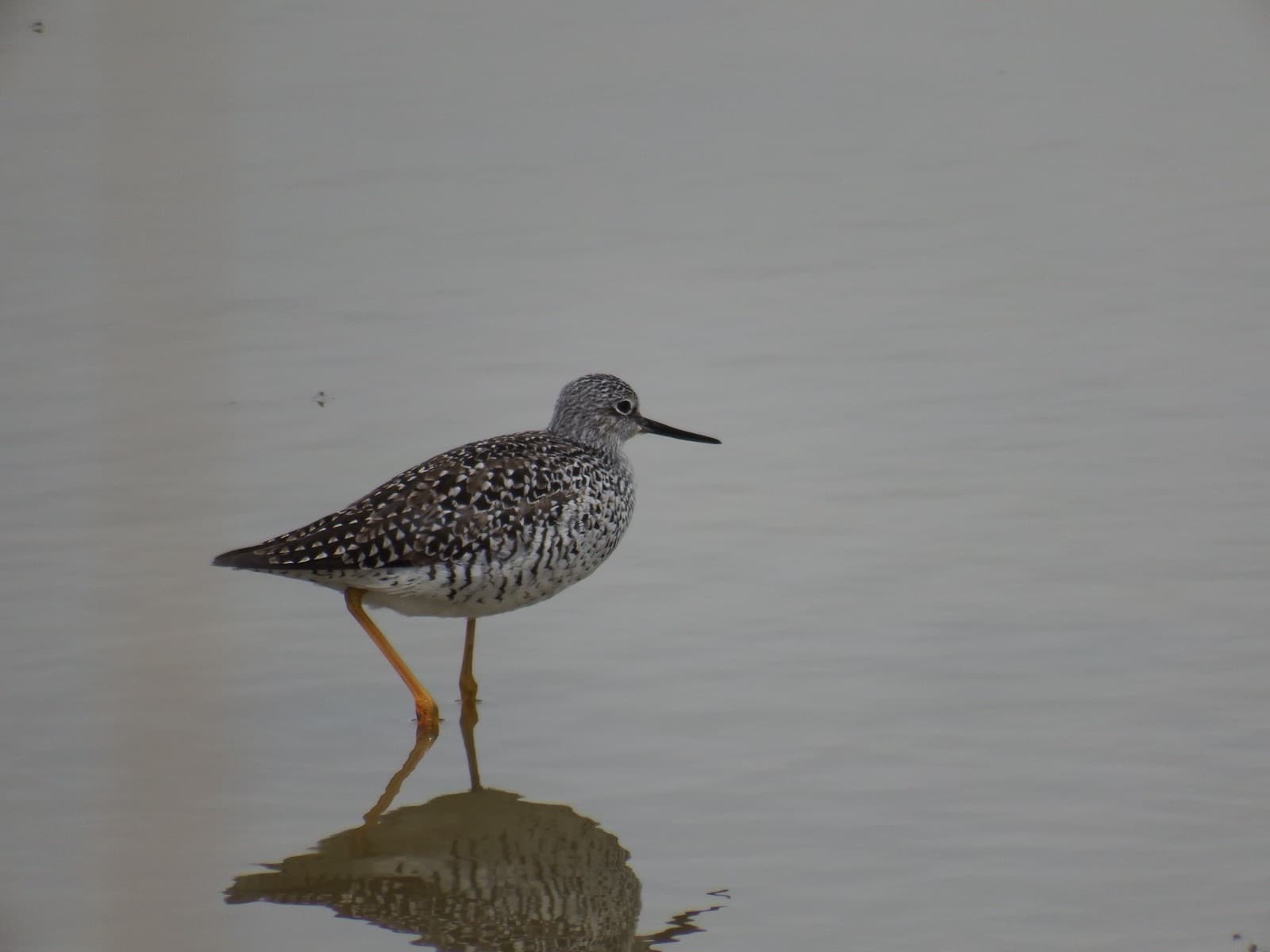
Bear River Refuge in pictures
How we know
U.S. Fish and Wildlife Service, Bear River Migratory Bird Refuge: Species (Seasons of Wildlife) (opens in a new tab) (Sep 29) · U.S. Fish and Wildlife Service, Bear River Migratory Bird Refuge: Visit Us (opens in a new tab) (Sep 29) · U.S. Fish and Wildlife Service, Bear River Migratory Bird Refuge: Auto Tour (opens in a new tab) (Sep 29) · U.S. Fish and Wildlife Service, Bear River Migratory Bird Refuge: Rules and Policies (opens in a new tab) (Sep 29) · National Weather Service forecast and alerts (opens in a new tab) (Sep 29)
Questions people ask
When is the best time to see spring migration at Bear River Migratory Bird Refuge?
Spring shorebird migration lasts from early April through mid-May, per the Fish and Wildlife Service: early April through mid-May. That's general timing for this place, not a peak date or a forecast.
Is spring migration under way at Bear River Migratory Bird Refuge right now?
Not now: the spring migration season is over for this year. The next one starts in about 184 days (early April through mid-May, local timing).
When is the visitor center open?
Tuesday to Saturday, 10 a.m. to 4 p.m.; it's closed Mondays and federal holidays. The Auto Tour Route and the trails are open sunrise to sunset all year, weather permitting.Source: U.S. Fish and Wildlife Service, Bear River Migratory Bird Refuge: Visit Us ↗ (opens in a new tab)
Can I get out of my car on the Auto Tour Route?
Only in designated areas: watching and photographing wildlife is allowed from the designated trails, the route itself and designated pullouts and parking. The route is one-way at 25 mph, so pull over to let others pass.Sources: U.S. Fish and Wildlife Service, Bear River Migratory Bird Refuge: Auto Tour ↗ (opens in a new tab), U.S. Fish and Wildlife Service, Bear River Migratory Bird Refuge: Rules and Policies ↗ (opens in a new tab)
Can I bring my dog?
Yes. Dogs must be under the direct control of a responsible person at all times, and on the Auto Tour Route pets may be outside the car only on a leash.Sources: U.S. Fish and Wildlife Service, Bear River Migratory Bird Refuge: Rules and Policies ↗ (opens in a new tab), U.S. Fish and Wildlife Service, Bear River Migratory Bird Refuge: Auto Tour ↗ (opens in a new tab)
Will my car or RV manage the road?
Yes: the route is gravel and can be bumpy, especially in winter, but buses, two-wheel-drive cars and RVs can drive it year-round. Camping and overnight parking, RVs included, aren't allowed on the refuge.Sources: U.S. Fish and Wildlife Service, Bear River Migratory Bird Refuge: Auto Tour ↗ (opens in a new tab), U.S. Fish and Wildlife Service, Bear River Migratory Bird Refuge: Rules and Policies ↗ (opens in a new tab)
Where are the best spots in Bear River Migratory Bird Refuge?
Auto Tour Route: a one-way, 12-mile gravel drive out onto the Bear River Delta that starts 12 miles west of I-15 exit 363 (36 miles round trip), open sunrise to sunset year-round, weather permitting; leave your car only in designated areas, and use the restrooms at the start, as there are none after it; Wetland Wonders Trail: a short nature trail just outside the visitor center, a quarter mile west of I-15 exit 363, open sunrise to sunset every day of the year; it links with the Bulrush Bridge and Marsh Meander trails for longer walks.
Are there closures or permits to know about in Bear River Migratory Bird Refuge?
Auto Tour Route: a one-way, 12-mile gravel drive out onto the Bear River Delta that starts 12 miles west of I-15 exit 363 (36 miles round trip), open sunrise to sunset year-round, weather permitting; leave your car only in designated areas, and use the restrooms at the start, as there are none after it.
What is Bear River Migratory Bird Refuge like through the year?
Geese and ducks begin to arrive, early March (Mar), Spring shorebird migration, early April through mid-May (Apr–May), Young birds: Canada goose goslings from May, then ducklings and young avocets and stilts in June and July (May–Jul), Fall shorebird migration from late July, with numbers peaking in mid-August (Jul–Aug), Over 30,000 tundra swans, arriving in mid-October and staying through December (Oct–Dec) and Northern harriers, rough-legged hawks and prairie falcons hunting the marsh, December to March (Dec–Mar).