Nebraska
When to catch Boyer Chute Refugeat its best
Boyer Chute Refuge through the year: spring migration (local timing: In early spring (typically early March)) and winter wildlife (3 separate phases, from late October through early December, the peak months). Each has its own page with spots, sources and the latest reports.
RIGHT NOW · SEP 30
- Latest reportNo dated report this season; the posters below show each usual window.
- This weekend (NWS)Sat sunny, 68°F · Sun sunny, 67°F
- Park alertsCheck the managing agency before you go
When are you going?
Fall at Boyer Chute Refuge
Good in fall
- Peak waterfowl use, late October through early December
From each place's own sources; no peak claimed.
Winter at Boyer Chute Refuge
Also good in winter
- Bald eagle numbers peak in December
From each place's own sources; no peak claimed.
Spring at Boyer Chute Refuge
- SEASON · SPRING MIGRATIONBoyer Chute RefugeIn early spring (typically early March)Nebraska
“In early spring (typically early March)” · U.S. Fish and Wildlife Service ↗
Also good in spring
- Waterfowl move through, typically early March
From each place's own sources; no peak claimed.
Summer at Boyer Chute Refuge
Our sources name nothing here for summer; the other seasons above have what they do.
Where to go at Boyer Chute Refuge
- Boyer Chute RefugeLocal timing: In early spring (typically early March)This page
- DeSoto RefugeLocal timing: early December, and again in late February and early March
Best spots
Spring migration
- Sauger Parking Lot observation platformA stop on the auto tour route: a short paved trail from the Sauger Parking Lot leads to a platform that reaches out over the chute, with a good view of the restored waterwayU.S. Fish and Wildlife Service ↗
- North Island TrailA 3.6-mile mowed-grass trail, open all year, that starts just east of the bridge from the main parking lot and heads north across Boyer Island to views of the Missouri River and the restored backwaters; during migration, look for waterfowl and eagles along the river's edgeU.S. Fish and Wildlife Service ↗
Winter wildlife
- North Island TrailA 3.6-mile mowed-grass trail, open all year, that starts just east of the bridge from the main parking lot and heads north across Boyer Island to views of the Missouri River and the restored backwaters; during migration, look for waterfowl and eagles along the river's edgeU.S. Fish and Wildlife Service ↗
- South Chute Confluence TrailAn easy 0.65-mile mowed-grass trail with a wooden bridge section from the South Chute Parking Lot, following the edge of the chute to where it meets the Missouri River; open all yearU.S. Fish and Wildlife Service ↗
Next 7 days at Boyer Chute Refuge
- TodayShowers And Thunderstorms72° / 63°98% rain
- ThuSlight Chance Rain Showers67° / 49°20% rain
- FriSunny65° / 50°–
- SatSunny68° / 53°1% rain
- SunSunny67° / 48°1% rain
- MonSunny64° / 54°2% rain
- TueMostly Sunny69° / 58°5% rain
Today: sunrise 7:20 a.m., sunset 7:09 p.m., light until 7:37 p.m. · moon waning gibbous, 78% lit (our calculation)
Nearby, and when they peak
- SEASON · WINTER WILDLIFELoess Bluffs RefugeFrom mid-October, peaking in mid- to late November103 mi
“from mid-October, peaking in mid- to late November” · U.S. Fish and Wildlife Service ↗
- SEASON · WINTER WILDLIFEDeSoto RefugeEarly December, and again in late February and early March7 mi
“early December, and again in late February and early March” · U.S. Fish and Wildlife Service ↗
Towns nearby
- Omaha, NE14 mi
- Columbus, NE73 mi
- Des Moines, IA122 mi
- Ames, IA127 mi
- St. Joseph, MO131 mi
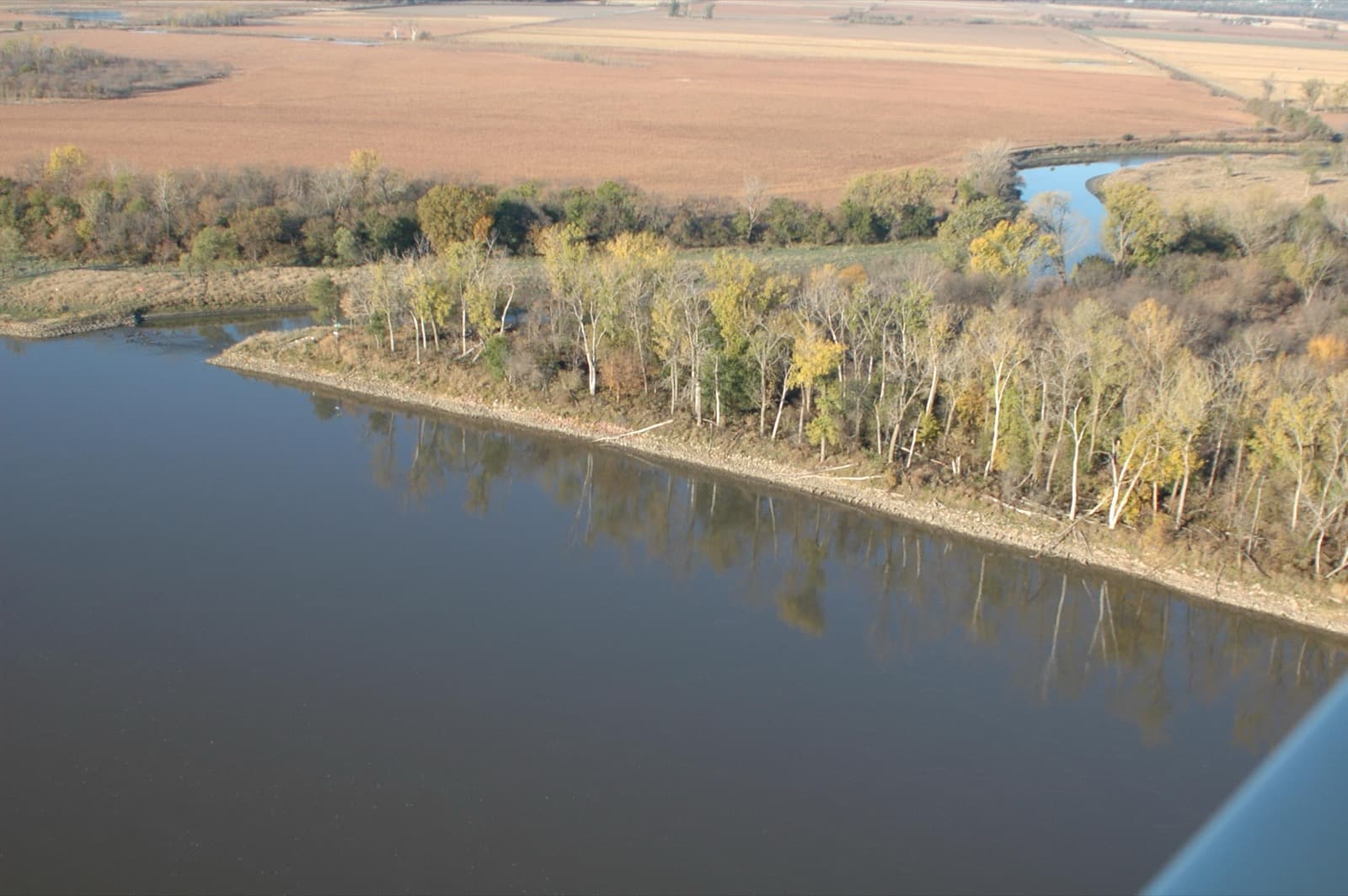
Boyer Chute Refuge in pictures
Questions people ask
Can flooding affect a visit?
Yes. The refuge sits on the Missouri River, flooding is a frequent issue and can limit access, so check the refuge's status before you go.Source: U.S. Fish and Wildlife Service, Boyer Chute NWR: Visit Us ↗ (opens in a new tab)
What should I bring?
Good footwear and clothes for the weather, plus water, food, binoculars, field guides, a hat, sunscreen and insect repellent. Mornings and evenings are best for wildlife.Source: U.S. Fish and Wildlife Service, Boyer Chute NWR: Visit Us ↗ (opens in a new tab)
Where do the first northbound waterfowl stop?
In the restored chute and the Missouri River backwaters, typically in early March, per the refuge.Source: U.S. Fish and Wildlife Service, Boyer Chute NWR: Species ↗ (opens in a new tab)
Is spring migration all in that first wave?
No. The refuge says shorebirds and songbirds follow later in spring, using its wetlands, prairie and bottomland; it gives no month for that later wave.Source: U.S. Fish and Wildlife Service, Boyer Chute NWR: Species ↗ (opens in a new tab)
How we know
- Sep 29Park ServiceSeasons of wildlife: early-March waterfowl, fall waterfowl peak, December and late-February eagle peaksSource (opens U.S. Fish and Wildlife Service, Boyer Chute NWR: Species in a new tab)
- Sep 29Park ServiceTrails, the Sauger Parking Lot platform, hours, fees, restrooms and flooding notesSource (opens U.S. Fish and Wildlife Service, Boyer Chute NWR: Visit Us in a new tab)