Boyer Chute Refugespring migration
In early spring, typically early March, waterfowl move through along the chute and restored backwaters, per the Fish and Wildlife Service. Its usual window for this year has passed.
Right now at Boyer Chute Refuge
Right now in Boyer Chute Refuge · September
- Seasonal refuge units open, April 15 to October 14 · Apr–Oct
Next 7 days at Boyer Chute Refuge
- TodayShowers And Thunderstorms72° / 63°98% rain
- ThuSlight Chance Rain Showers67° / 49°20% rain
- FriSunny65° / 50°–
- SatSunny68° / 53°1% rain
- SunSunny67° / 48°1% rain
- MonSunny64° / 54°2% rain
- TueMostly Sunny69° / 58°5% rain
Today: sunrise 7:20 a.m., sunset 7:09 p.m., light until 7:37 p.m. · moon waning gibbous, 78% lit (our calculation)
Your guide to the area
Where to watch
- Sauger Parking Lot observation platformA stop on the auto tour route: a short paved trail from the Sauger Parking Lot leads to a platform that reaches out over the chute, with a good view of the restored waterway
- North Island TrailA 3.6-mile mowed-grass trail, open all year, that starts just east of the bridge from the main parking lot and heads north across Boyer Island to views of the Missouri River and the restored backwaters; during migration, look for waterfowl and eagles along the river's edge
Nearby
- Loess Bluffs Refuge103 mifrom mid-February, peaking in mid-MarchSatSunny
- Swan Lake Refuge191 miApril and MaySatSunny
- Flint Hills Refuge217 miApril and May are the best time of yearSatSunny
- Port Louisa Refuge251 miApril to MaySatSunny
- Litchfield Wetland District260 mispring (March-May)SatChance Rain Showers
- Minnesota Valley Refuge271 miApril - MaySatPartly Sunny then Chance Rain Showers
The year at Boyer Chute Refuge
- Feb: Bald eagles peak again in late FebruaryFeb
- Mar: Waterfowl move through, typically early MarchMar
- Seasonal refuge units open, April 15 to October 14NowApr–Oct
- Peak waterfowl use, late October through early DecemberOct–Dec
- Dec: Bald eagle numbers peak in DecemberDec
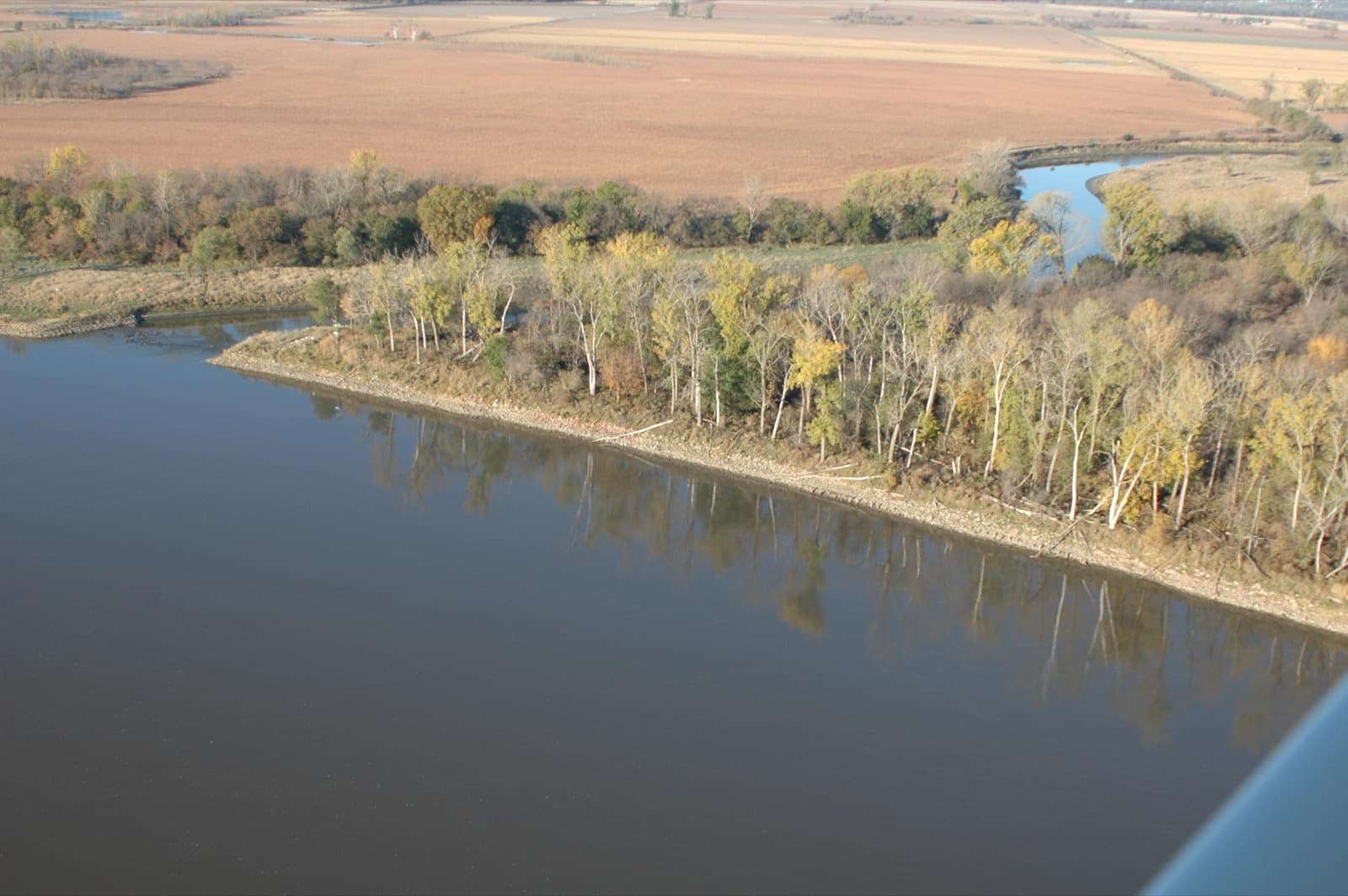
Boyer Chute Refuge in pictures
Questions people ask
When is the best time to see spring migration at Boyer Chute National Wildlife Refuge?
In early spring, typically early March, waterfowl move through along the chute and restored backwaters, per the Fish and Wildlife Service: In early spring (typically early March). That's general timing for this place, not a peak date or a forecast.
Is spring migration under way at Boyer Chute National Wildlife Refuge right now?
Not now: its usual spring migration window for this year has passed. Next time: In early spring (typically early March), local timing.
Can flooding affect a visit?
Yes. The refuge sits on the Missouri River, flooding is a frequent issue and can limit access, so check the refuge's status before you go.Source: U.S. Fish and Wildlife Service, Boyer Chute NWR: Visit Us ↗ (opens in a new tab)
What should I bring?
Good footwear and clothes for the weather, plus water, food, binoculars, field guides, a hat, sunscreen and insect repellent. Mornings and evenings are best for wildlife.Source: U.S. Fish and Wildlife Service, Boyer Chute NWR: Visit Us ↗ (opens in a new tab)
Where do the first northbound waterfowl stop?
In the restored chute and the Missouri River backwaters, typically in early March, per the refuge.Source: U.S. Fish and Wildlife Service, Boyer Chute NWR: Species ↗ (opens in a new tab)
Is spring migration all in that first wave?
No. The refuge says shorebirds and songbirds follow later in spring, using its wetlands, prairie and bottomland; it gives no month for that later wave.Source: U.S. Fish and Wildlife Service, Boyer Chute NWR: Species ↗ (opens in a new tab)
Which habitats are worth a songbird walk?
The bottomland forest and the grasslands: the refuge names meadowlarks, warblers, dickcissels, orioles and short-eared owls among the birds using them.Source: U.S. Fish and Wildlife Service, Boyer Chute NWR: Species ↗ (opens in a new tab)
Where are the best spots in Boyer Chute National Wildlife Refuge?
Sauger Parking Lot observation platform: a stop on the auto tour route: a short paved trail from the Sauger Parking Lot leads to a platform that reaches out over the chute, with a good view of the restored waterway; North Island Trail: a 3.6-mile mowed-grass trail, open all year, that starts just east of the bridge from the main parking lot and heads north across Boyer Island to views of the Missouri River and the restored backwaters; during migration, look for waterfowl and eagles along the river's edge.
What is Boyer Chute National Wildlife Refuge like through the year?
Waterfowl move through, typically early March (Mar), Peak waterfowl use, late October through early December (Oct–Dec), Bald eagle numbers peak in December (Dec), Bald eagles peak again in late February (Feb) and Seasonal refuge units open, April 15 to October 14 (Apr–Oct).