State guide
When to catch Nebraskathrough the year
We follow 2 places in Nebraska for spring migration, winter wildlife and wildflowers: winter at Boyer Chute Refuge, spring at Boyer Chute Refuge and summer at Crescent Lake Refuge. Each timing below is the place's own source, in its words; none is a forecast.
When are you going?
Fall in Nebraska
Good in fall
- Boyer Chute RefugePeak waterfowl use, late October through early December
From each place's own sources; no peak claimed.
Winter in Nebraska
Also good in winter
- Boyer Chute RefugeBald eagle numbers peak in December
From each place's own sources; no peak claimed.
Spring in Nebraska
- SEASON · SPRING MIGRATIONBoyer Chute RefugeIn early spring (typically early March)Nebraska
“In early spring (typically early March)” · U.S. Fish and Wildlife Service ↗
Also good in spring
- Boyer Chute RefugeWaterfowl move through, typically early March
- Crescent Lake RefugeWaterfowl migration begins in March, peaking in early April
From each place's own sources; no peak claimed.
Summer in Nebraska
Also good in summer
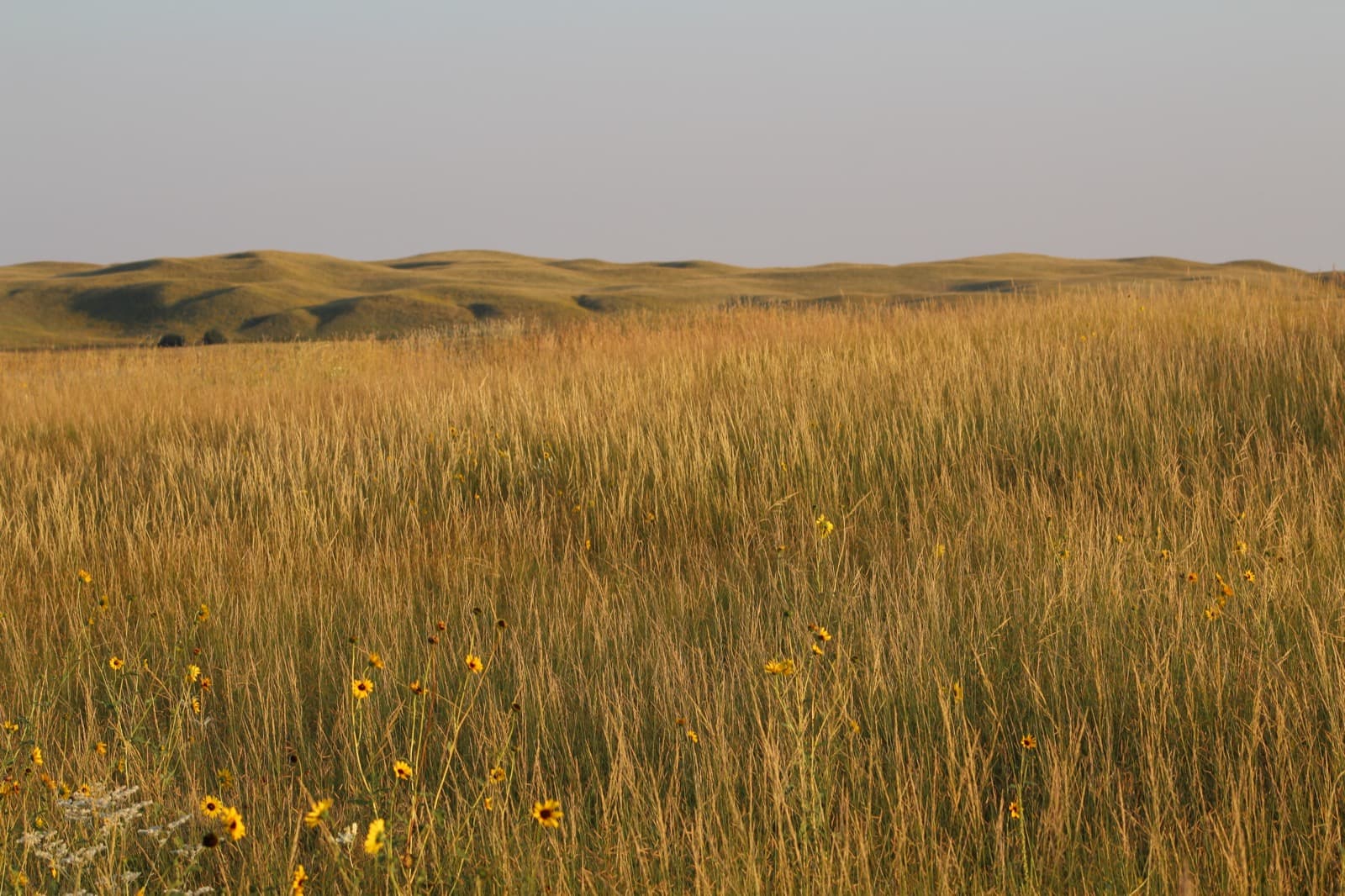
- Crescent Lake RefugeSpiderwort, yucca, prickly pear and the endangered blowout penstemon bloom in June
From each place's own sources; no peak claimed.
Places in Nebraska
- Boyer Chute RefugeLocal timing: In early spring (typically early March)
- Crescent Lake RefugeLocal timing: bloom in June
Planning a Nebraska trip
Towns to stay in
- Omaha, NEBoyer Chute Refuge · 14 mi
- Columbus, NEDeSoto Refuge · 69 mi
Nearest place we follow, straight-line miles.
Browse by season and event
- Spring migration · 1 place hereSpring migration, everywhere →
- Winter wildlife · 1 place hereWinter wildlife, everywhere →
- Wildflowers · 1 place hereWildflowers, everywhere →
Questions people ask
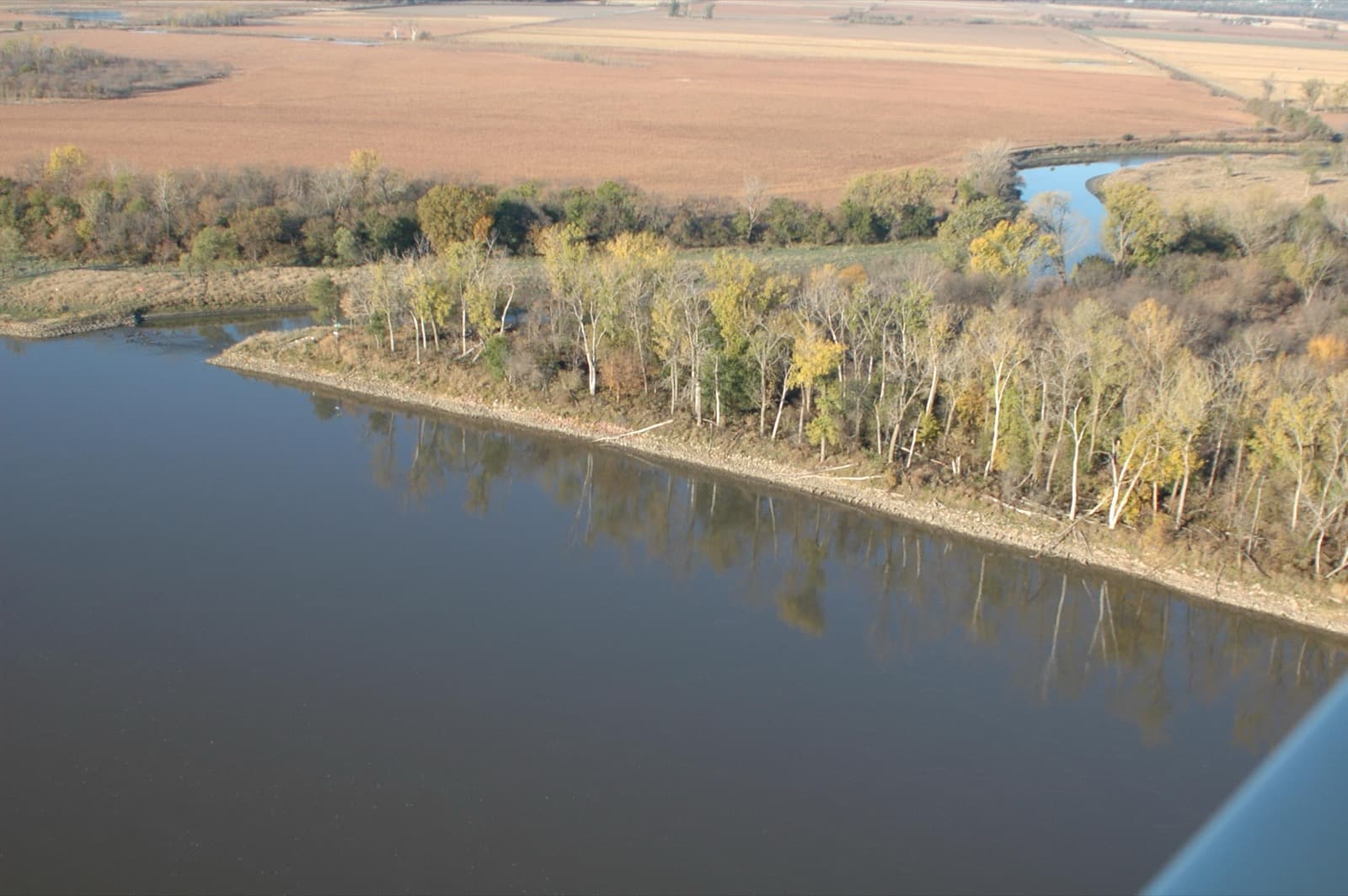
Can flooding affect a visit at Boyer Chute Refuge?
Yes. The refuge sits on the Missouri River, flooding is a frequent issue and can limit access, so check the refuge's status before you go.Source: U.S. Fish and Wildlife Service, Boyer Chute NWR: Visit Us ↗ (opens in a new tab)
What should I bring at Boyer Chute Refuge?
Good footwear and clothes for the weather, plus water, food, binoculars, field guides, a hat, sunscreen and insect repellent. Mornings and evenings are best for wildlife.Source: U.S. Fish and Wildlife Service, Boyer Chute NWR: Visit Us ↗ (opens in a new tab)
Is there a fee at Boyer Chute Refuge?
No, there is no charge to visit.Source: U.S. Fish and Wildlife Service, Boyer Chute NWR: Visit Us ↗ (opens in a new tab)
When is it open at Boyer Chute Refuge?
The auto tour and trails are open daily from half an hour before sunrise to half an hour after sunset, all year. Some outlying refuge units open only April 15 to October 14.Source: U.S. Fish and Wildlife Service, Boyer Chute NWR: Visit Us ↗ (opens in a new tab)
Can I drive the refuge roads right now at Crescent Lake Refuge?
Take care: as of September 2026 the refuge warns that after a recent wildfire and extreme dry conditions, its trails and roads may be impassable even with four-wheel drive. Use extreme caution if you leave the county roads.Source: U.S. Fish and Wildlife Service, Crescent Lake NWR: Visit Us ↗ (opens in a new tab)
Nearby state guides: South Dakota · Kansas · Iowa
Nebraska in pictures
How we know
- Sep 29Park ServiceSeasons of wildlife: early-March waterfowl, fall waterfowl peak, December and late-February eagle peaksSource (opens U.S. Fish and Wildlife Service, Boyer Chute NWR: Species in a new tab)
- Sep 29Park ServiceTrails, the Sauger Parking Lot platform, hours, fees, restrooms and flooding notesSource (opens U.S. Fish and Wildlife Service, Boyer Chute NWR: Visit Us in a new tab)
- Sep 29Park ServiceSeasonal calendar: spring waterfowl migration, April grouse and goslings, June flowers, August tealSource (opens U.S. Fish and Wildlife Service, Crescent Lake NWR: Species in a new tab)