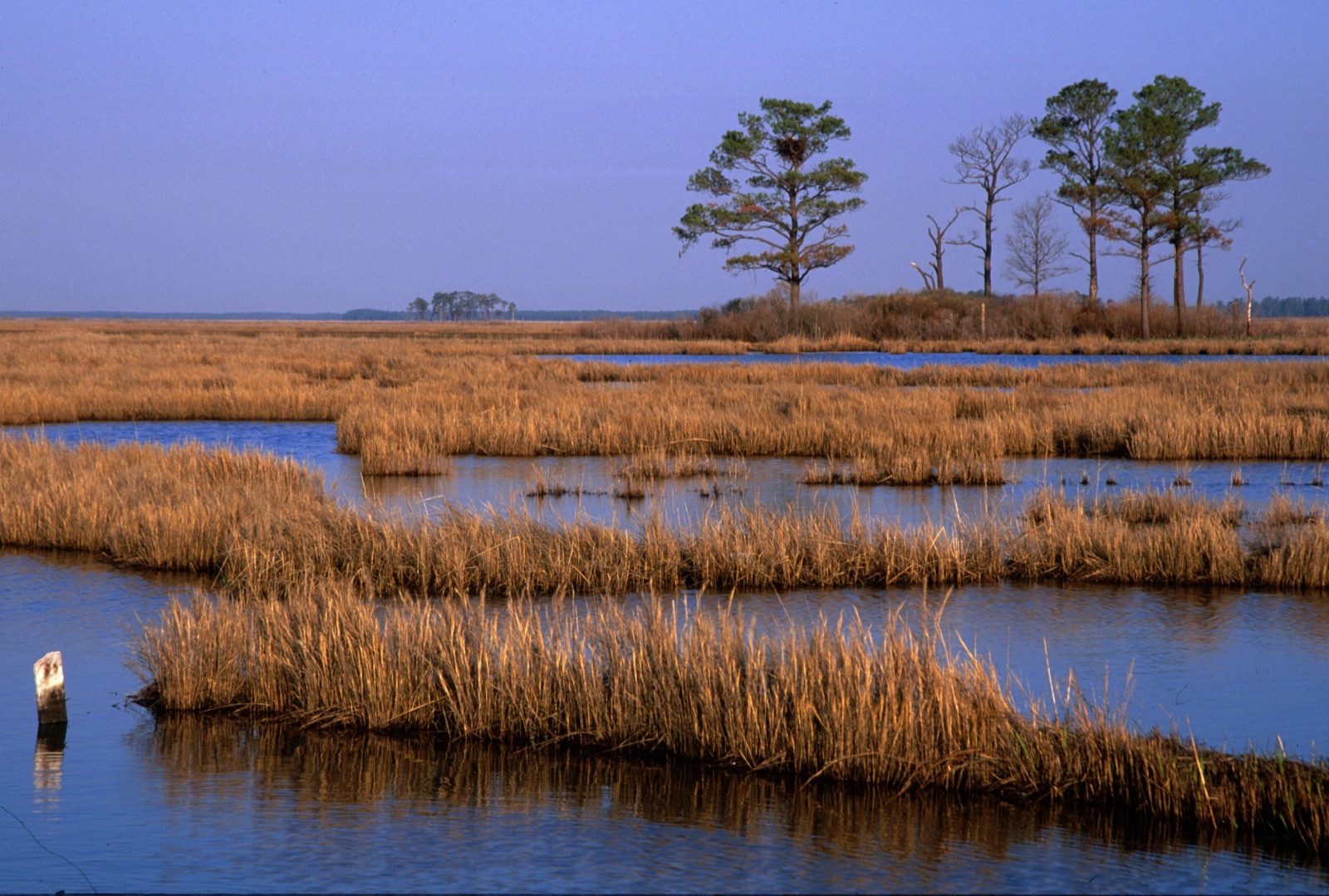
Photo: USFWS · Public Domain, cropped; resized
Blackwater Refugewildlife
Wildlife refugeSouthbound songbirds usually peak in late September and early October, per the Fish and Wildlife Service: usually late September and early October. No official report yet this season.
Sources for this timing ↓About Blackwater Refuge
- What it is
- A wildlife refuge in Maryland
- What you'll see
- Southbound songbirds · usual peak Sep–Oct
Next 7 days at Blackwater Refuge
- TodayMostly Sunny85° / 61°48% rain
- SatChance Rain Showers66° / 57°48% rain
- SunRain Showers Likely64° / 58°72% rain
- MonSlight Chance Rain Showers then Partly Sunny68° / 51°20% rain
- TueSunny61° / 47°–
- WedSunny62° / 53°2% rain
Today: sunrise 7:02 a.m., sunset 6:47 p.m., light until 7:14 p.m. · moon last quarter, 56% lit (our calculation)
Your guide to the area
- Blackwater RefugeUsually: late September and early OctoberThis page
- Cape May RefugeJune, July, and August is the time when our feathered families are raised and fledged81 mi
Where to watch
- Wildlife DriveA 3.6-mile drive, popular with photographers and birders
- Butterfly and Beneficial Insect GardenOutside the visitor center, with walking paths and picnic tables
Worth the drive
- Cape May RefugeWildlife refuge81 miJune, July, and August is the time when our feathered families are raised and fledgedSatChance Rain Showers
- Forsythe RefugeWildlife refuge114 miin spring (March, April, and May)SatChance Rain Showers then Mostly Cloudy
- Fire IslandSeashore222 mifrom March to SeptemberSatChance Rain Showers then Mostly Sunny
- Target Rock RefugeWildlife refuge223 miin the spring and summer months (March – September)SatSlight Chance Rain Showers then Mostly Sunny
- Wertheim RefugeWildlife refuge237 miin the spring and summer months (March – September)SatChance Rain Showers then Mostly Sunny
- Morton RefugeWildlife refuge266 miin the spring and summer months (March – September)SatChance Rain Showers then Mostly Sunny
The year at Blackwater Refuge
- Mar: Most migratory waterfowl leave for the northMar
- Biting insects on the trails, mid-April to late SeptemberApr–Sep
- Peak shorebird migration, late April and early MayApr–May
- Jul: Marsh hibiscus begins to bloom, end of JulyJul
- Autumn colors peak (sometime October–December)NowOct–Dec
- Bald eagle numbers rise as migrants arrive from the northNowOct–Dec
- Nov: Tundra swans arrive from northwest Canada, usually in early NovemberNov
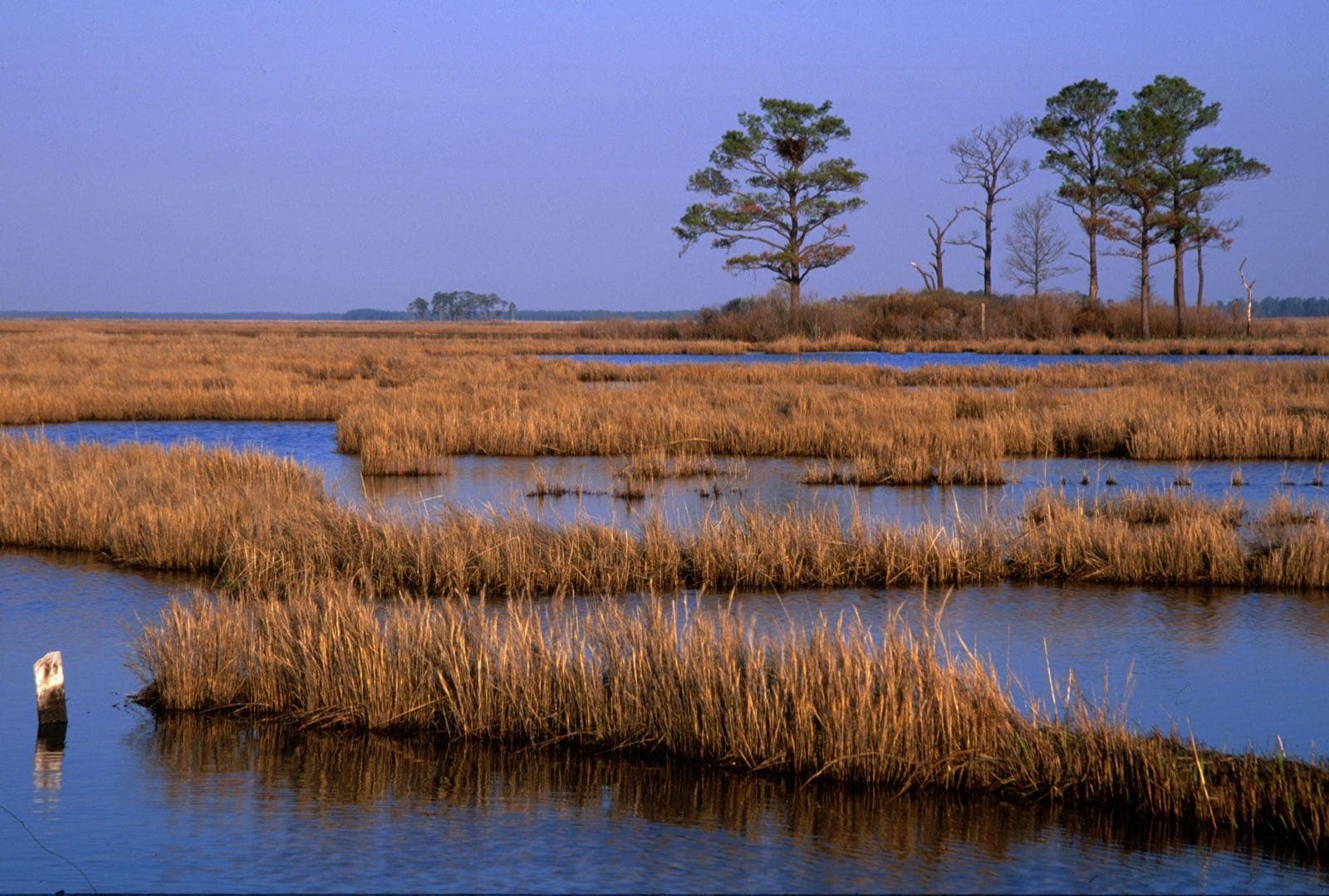
Blackwater Refuge in pictures
Questions people ask
When is the best time to see wildlife at Blackwater National Wildlife Refuge?
Southbound songbirds usually peak in late September and early October, per the Fish and Wildlife Service: late September and early October. That's the usual peak in the source's own words, not a forecast.
Is it the season at Blackwater National Wildlife Refuge right now?
There's no official report yet this season.
Where are the best spots in Blackwater National Wildlife Refuge?
Wildlife Drive: a 3.6-mile drive, popular with photographers and birders; Butterfly and Beneficial Insect Garden: outside the visitor center, with walking paths and picnic tables.
What is Blackwater National Wildlife Refuge like through the year?
Peak shorebird migration, late April and early May (Apr–May), Marsh hibiscus begins to bloom, end of July (Jul), Autumn colors peak (sometime October–December) (Oct–Dec), Bald eagle numbers rise as migrants arrive from the north (Oct–Dec), Tundra swans arrive from northwest Canada, usually in early November (Nov), Most migratory waterfowl leave for the north (Mar) and Biting insects on the trails, mid-April to late September (Apr–Sep).