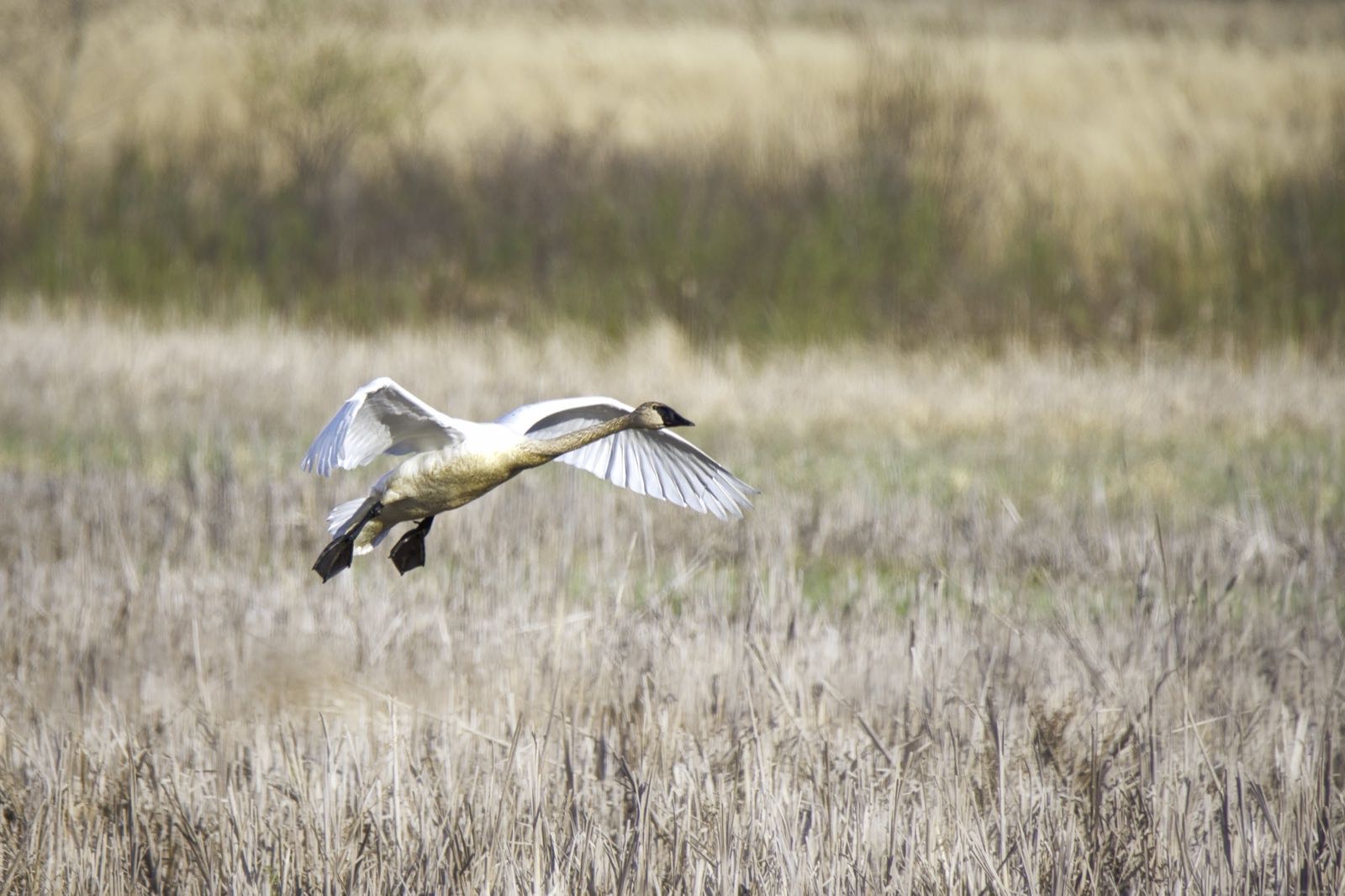
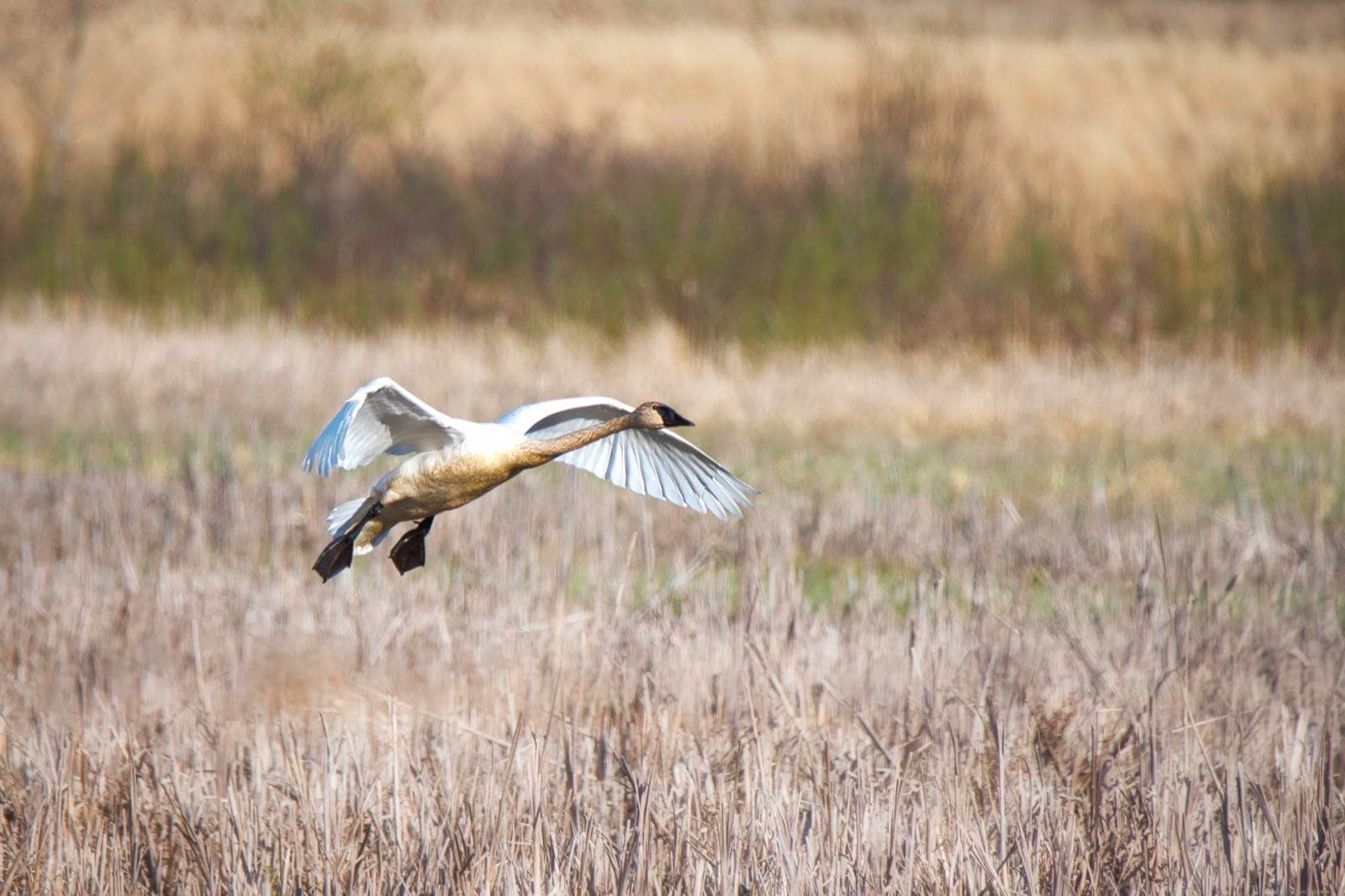
Photo: Jim Dostal/USFWS · Public Domain, cropped; resized
Sherburne Refugewildlife
Wildlife refugeAt Sherburne National Wildlife Refuge, the timing for wildlife comes in 2 separate phases, each its own display, neither a peak: Wildlife with young, June – August; and Migrant monarch butterflies refueling at flowers on their way to Mexico, September. Its usual window for this year has passed.
Updated
Sources for this timing ↓- June–AugustWildlife with youngJune – August
- SeptemberMigrant monarch butterflies refueling at flowers on their way to MexicoSeptember
About Sherburne Refuge
- What it is
- A wildlife refuge in Minnesota
- What you'll see
- Young wildlife and monarchs · June – August
- Before you go
- Do I need a permit to photograph wildlife for my business? Not for commercial still photography without sets, props or models, as long as the images aren't used for promotion. Refuge rules still apply, and you can't block public spaces.What otter signs might I see in February? Long, straight slide tracks in the snow. They're signs of otters, not a promise of seeing one.Wildlife sanctuary: only the Wildlife Drive, trails, canoe route and fishing access points open
Right now at Sherburne Refuge
Right now in Sherburne Refuge · October
- Wildlife Drive open to cars (not during the November firearm deer season) · Apr–Nov
- Staging sandhill cranes, usually best in the last two weeks of October · Oct
- Fall colors at their peak: maples, sumac, oaks and aspen · Oct
- Eagle's Nest Nature Store open Thursdays and Saturdays, 10 a.m.–2 p.m. (closed January to March) · Apr–Dec
- Bald eagles and hawks migrating south · Oct
- Service roads and off-trail hiking open, September 1 to February 28 · Sep–Feb
Next 7 days at Sherburne Refuge
- TodayAreas Of Frost then Sunny63° / 37°10% rain
- SatPartly Sunny then Chance Rain Showers65° / 47°49% rain
- SunSunny64° / 39°–
- MonSunny63° / 48°–
- TueMostly Sunny71° / 52°3% rain
- WedMostly Sunny70° / 49°4% rain
- ThuMostly Sunny68° / –4% rain
Heads up: Windy (winds up to 20 mph): Saturday.
Today: sunrise 7:15 a.m., sunset 6:55 p.m., light until 7:24 p.m. · moon last quarter, 55% lit (our calculation)
Your guide to the area
- Sherburne RefugeJune – AugustThis page
- Rice Lake RefugeLocal timing: June through August75 mi
Where to watch
Black Bear Loop Trail and observation blind
Best spot
A one-mile accessible loop through oak savanna, prairie, forest and wetland, with an observation blind over School House Pool (first come, first served); starts at the parking lot on Black Bear Loop Access Road
Prairie’s Edge Wildlife Drive
Best spot
Seven miles through oak savanna, prairie and wetland to bike or drive (cars April 1 to November 30 as weather allows); purple and white asters bloom along it in September
Worth the drive
Wildlife with young in MinnesotaWildlife refuge
75 mi · Sat: Partly Sunny then Chance Rain Showers
Best viewing: June through AugustU.S. Fish and Wildlife Service ↗
Upper Mississippi River Refuge
Frogs and toads in MinnesotaWildlife refuge
142 mi · Sat: Mostly Sunny
Season: From April to AugustU.S. Fish and Wildlife Service ↗
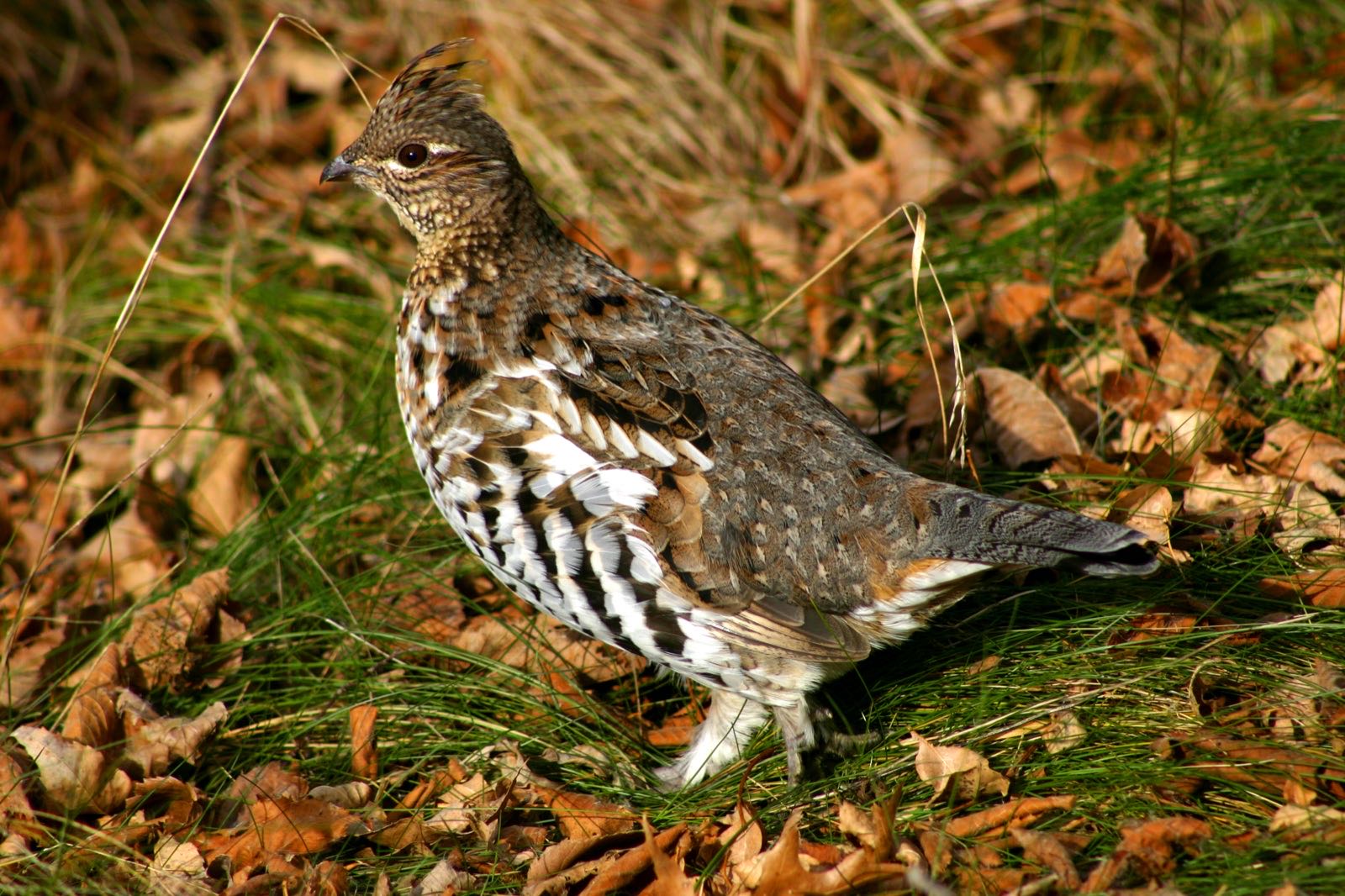
Wildlife families in MinnesotaWildlife refuge
188 mi · Sat: Slight Chance Rain Showers then Partly Sunny
Season: From June to JulyU.S. Fish and Wildlife Service ↗
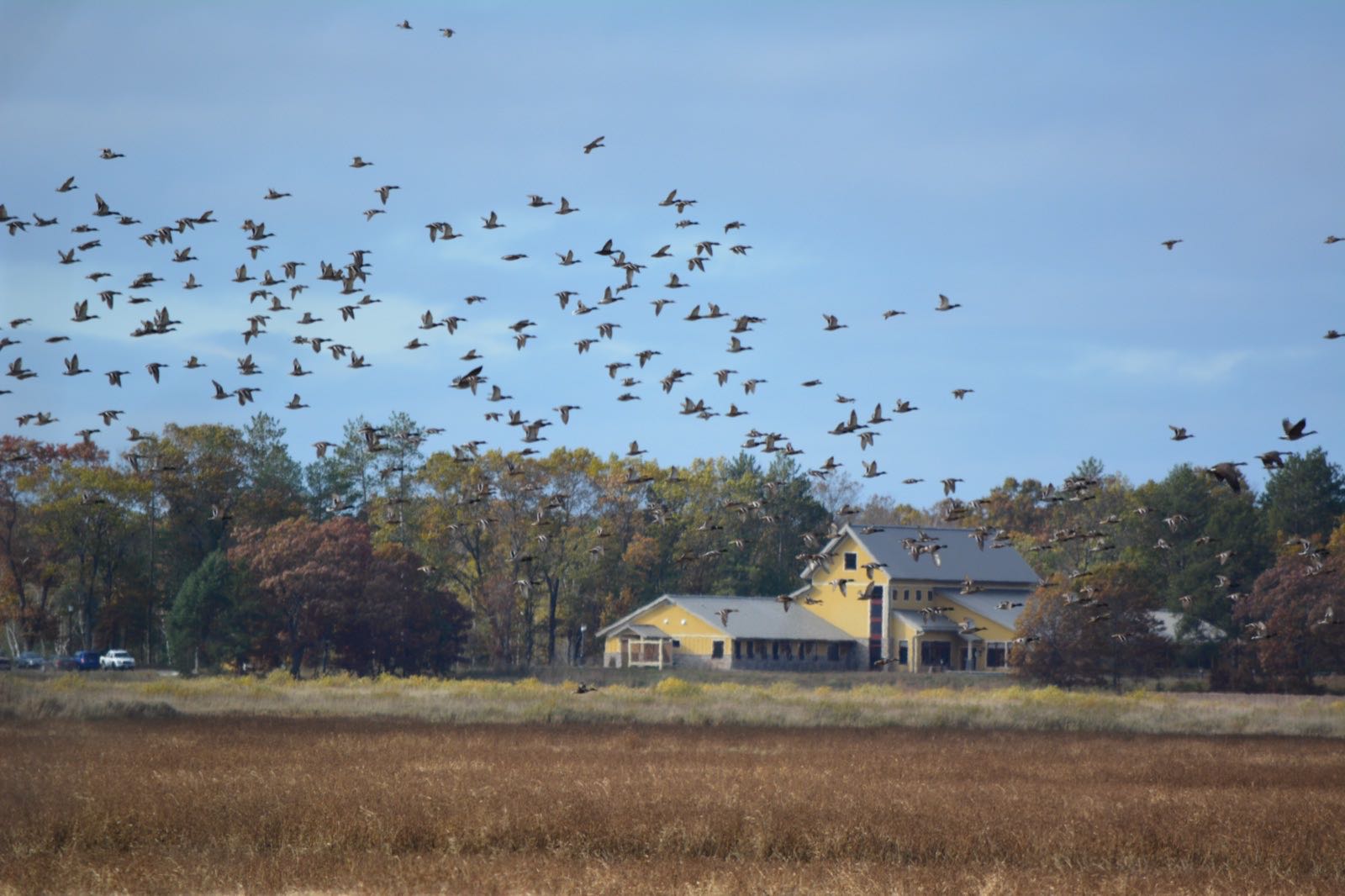
Karner blue butterflies in WisconsinWildlife refuge
199 mi · Sat: Mostly Sunny
In stages: Late MayU.S. Fish and Wildlife Service ↗
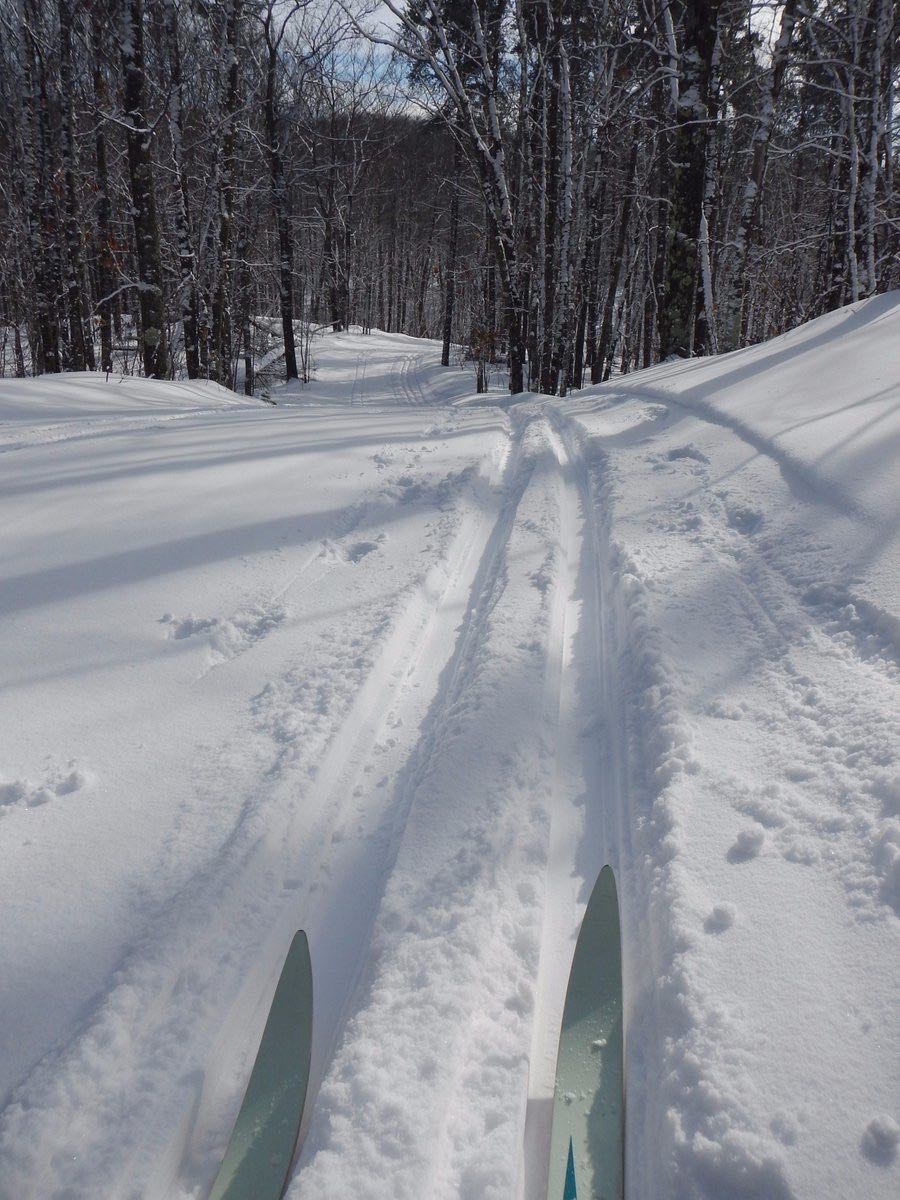
Butterflies at Catwillow in WisconsinNational forest
223 mi · Sat: Widespread Frost then Chance Rain Showers
Best viewing: JulyUSDA Forest Service ↗
Fall geese, ducks and cranes in WisconsinWildlife refuge
283 mi
Season: FallU.S. Fish and Wildlife Service ↗
The year at Sherburne Refuge
- Woodpeckers drumming (January); great horned owls and bald eagles courting (February)Jan–Feb
- Wildlife sanctuary: only the Wildlife Drive, trails, canoe route and fishing access points openMar–Aug
- Mar: Red-winged blackbirds back in the wetlands; returning sandhill cranes bugleMar
- Eagle's Nest Nature Store open Thursdays and Saturdays, 10 a.m.–2 p.m. (closed January to March)NowApr–Dec
- Wildlife Drive open to cars (not during the November firearm deer season)NowApr–Nov
- Apr: Loons and wood ducks arrive as the ice leaves; returning songbirds in full songApr
- May: Best month for spring migratory birdsMay
- May: First Canada goose goslings hatchMay
- Biting insects: bug spray and long sleeves, June through mid-AugustJun–Aug
- Jun: Wild lupine at peak bloom, early to mid-June, on the Prairie TrailJun
- Jun: Loon chicks ride their parents' backs, fawns hide in the woods, and turtles lay eggs on the Wildlife Drive's sandy edgesJun
- Jul: Black-eyed Susan, coneflower and prairie clover in the prairie openings; water lilies in the wetlandsJul
- Jul: Monarch caterpillars feed on common milkweedJul
- Aug: First blazing star and goldenrodAug
- Aug: Grasses and leaves start drying as the fall color change subtly beginsAug
- Sep: Asters along the Wildlife Drive and the Blue Hill TrailSep
- Sep: Migrant monarchs sip nectar at flowers on their way to MexicoSep
- Sep: Flocks of migrating white pelicans spiral overheadSep
- Service roads and off-trail hiking open, September 1 to February 28NowSep–Feb
- Oct: Staging sandhill cranes, usually best in the last two weeks of OctoberNowOct
- Oct: Fall colors at their peak: maples, sumac, oaks and aspenNowOct
- Oct: Bald eagles and hawks migrating southNowOct
- Wildlife Drive closed to cars (still open to hiking, biking, snowshoeing and skiing), December 1 to March 31Dec–Mar
Sherburne Refuge in pictures
Questions people ask
When is the best time to see wildlife at Sherburne National Wildlife Refuge?
In 2 separate phases, each at its own spot: Wildlife with young, June – August and Migrant monarch butterflies refueling at flowers on their way to Mexico, September. They're separate displays, not one long season, and neither is a peak.
Is it the season at Sherburne National Wildlife Refuge right now?
Not now: its usual wildlife window for this year has passed. Next time: Wildlife with young, June – August.
Is there a blind for watching young wildlife?
Yes. The wildlife observation blind off the Black Bear Loop looks over School House Pool; it's first come, first served.Source: U.S. Fish and Wildlife Service, Sherburne NWR: Visit Us ↗ (opens in a new tab)
Where do monarchs refuel in September?
At flowers during the day. In September, look for purple and white asters in bloom along the Wildlife Drive and the Blue Hill Trail.Source: U.S. Fish and Wildlife Service, Sherburne NWR: Species (Seasons of Wildlife) ↗ (opens in a new tab)
Can I fly a drone to film wildlife?
No. Launching, landing or disturbing wildlife with drones isn't allowed on the refuge, for fun or for business.Source: U.S. Fish and Wildlife Service, Sherburne NWR: Visit Us ↗ (opens in a new tab)
Do I need a permit to photograph wildlife for my business?
Not for commercial still photography without sets, props or models, as long as the images aren't used for promotion. Refuge rules still apply, and you can't block public spaces.Source: U.S. Fish and Wildlife Service, Sherburne NWR: Visit Us ↗ (opens in a new tab)
What otter signs might I see in February?
Long, straight slide tracks in the snow. They're signs of otters, not a promise of seeing one.Source: U.S. Fish and Wildlife Service, Sherburne NWR: Species (Seasons of Wildlife) ↗ (opens in a new tab)
Which turtles leave the wetlands in May?
Female Blanding's turtles, heading to upland nest sites. Give them room and don't disturb them.Source: U.S. Fish and Wildlife Service, Sherburne NWR: Species (Seasons of Wildlife) ↗ (opens in a new tab)
What small wildlife is on the plants in July?
Spittlebug nests, which the refuge calendar identifies as young plant-hoppers.Source: U.S. Fish and Wildlife Service, Sherburne NWR: Species (Seasons of Wildlife) ↗ (opens in a new tab)
Where are the best spots in Sherburne National Wildlife Refuge?
Black Bear Loop Trail and observation blind: a one-mile accessible loop through oak savanna, prairie, forest and wetland, with an observation blind over School House Pool (first come, first served); starts at the parking lot on Black Bear Loop Access Road; Prairie’s Edge Wildlife Drive: seven miles through oak savanna, prairie and wetland to bike or drive (cars April 1 to November 30 as weather allows); purple and white asters bloom along it in September.
Are there closures or permits to know about in Sherburne National Wildlife Refuge?
Wildlife sanctuary: only the Wildlife Drive, trails, canoe route and fishing access points open (Mar–Aug); Wildlife Drive closed to cars (still open to hiking, biking, snowshoeing and skiing), December 1 to March 31 (Dec–Mar).
What is Sherburne National Wildlife Refuge like through the year?
Wild lupine at peak bloom, early to mid-June, on the Prairie Trail (Jun), Black-eyed Susan, coneflower and prairie clover in the prairie openings; water lilies in the wetlands (Jul), First blazing star and goldenrod (Aug), Asters along the Wildlife Drive and the Blue Hill Trail (Sep), Wildlife sanctuary: only the Wildlife Drive, trails, canoe route and fishing access points open (Mar–Aug), Wildlife Drive open to cars (not during the November firearm deer season) (Apr–Nov), Best month for spring migratory birds (May), Biting insects: bug spray and long sleeves, June through mid-August (Jun–Aug), Staging sandhill cranes, usually best in the last two weeks of October (Oct), Fall colors at their peak: maples, sumac, oaks and aspen (Oct), Grasses and leaves start drying as the fall color change subtly begins (Aug), Red-winged blackbirds back in the wetlands; returning sandhill cranes bugle (Mar), Loons and wood ducks arrive as the ice leaves; returning songbirds in full song (Apr), Eagle's Nest Nature Store open Thursdays and Saturdays, 10 a.m.–2 p.m. (closed January to March) (Apr–Dec), First Canada goose goslings hatch (May), Loon chicks ride their parents' backs, fawns hide in the woods, and turtles lay eggs on the Wildlife Drive's sandy edges (Jun), Monarch caterpillars feed on common milkweed (Jul), Migrant monarchs sip nectar at flowers on their way to Mexico (Sep), Flocks of migrating white pelicans spiral overhead (Sep), Bald eagles and hawks migrating south (Oct), Woodpeckers drumming (January); great horned owls and bald eagles courting (February) (Jan–Feb), Wildlife Drive closed to cars (still open to hiking, biking, snowshoeing and skiing), December 1 to March 31 (Dec–Mar) and Service roads and off-trail hiking open, September 1 to February 28 (Sep–Feb).
How we know · Sources (4)
How we know
National Weather Service forecast and alerts (opens in a new tab) (Oct 2) · U.S. Fish and Wildlife Service, Sherburne NWR: Visit Us (opens in a new tab) (Sep 28) · U.S. Fish and Wildlife Service, Sherburne NWR: Species (Seasons of Wildlife) (opens in a new tab) (Sep 28) · U.S. Fish and Wildlife Service, Sherburne NWR: Trails (opens in a new tab) (Sep 28)