Forsythe Refugewinter wildlife
From December through February, hundreds and often thousands of American black ducks winter at the refuge, and they show in large numbers from the Wildlife Drive, per the Fish and Wildlife Service (Dec 1–Feb 28). No official report yet this season.
Right now in Forsythe Refuge · September
- Ducks and geese start heading south to spend the winter here · Sep–Nov
64days to the next winter wildlife seasonDec 1–Feb 28, local timing
Edwin B. Forsythe National Wildlife Refuge through the year
- Ospreys return from the southMar–May
- Holgate Wilderness Area (Long Beach Island unit) closed for nesting birdsApr–Aug
- Ducks and geese start heading south to spend the winter hereNowSep–Nov
- American black ducks winter here in the hundreds, often thousandsDec–Feb
- Atlantic brant winter here in the hundreds, often thousandsDec–Feb
- Diving waterfowl active in the back baysDec–Feb
Where to watch
- Wildlife DriveAn 8-mile self-guided drive through salt marsh, freshwater habitat and upland forest, with observation towers at Gull Pond and Turtle Cove; open year-round, sunrise to sunset, $4 per car
- Leeds Eco-Trail and BoardwalkOpen year-round at the headquarters: a 400-foot boardwalk over the tidal salt marsh plus a quarter-mile (one way) path through maritime forest; wheelchair friendly
Forsythe Refuge in pictures
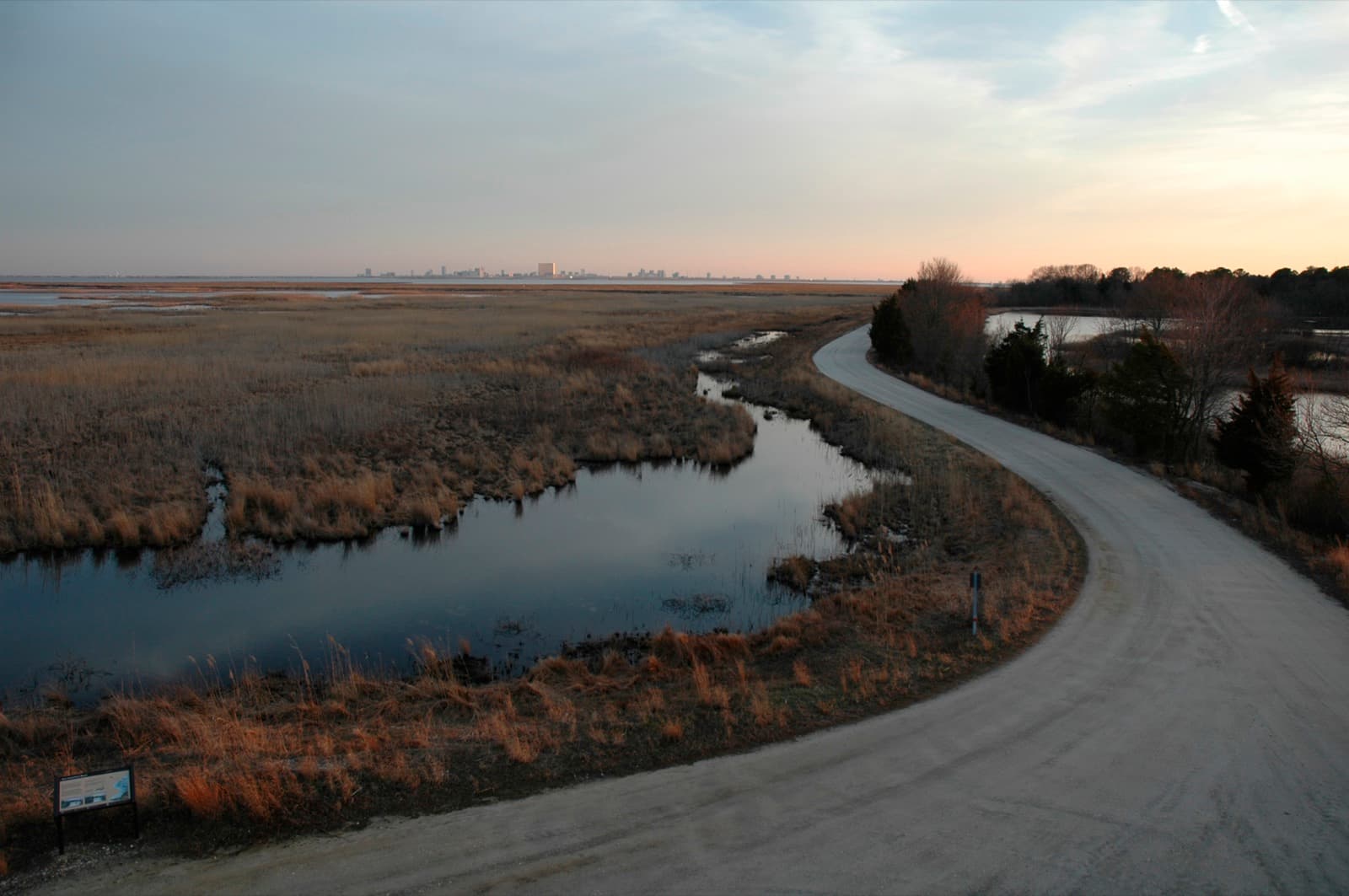
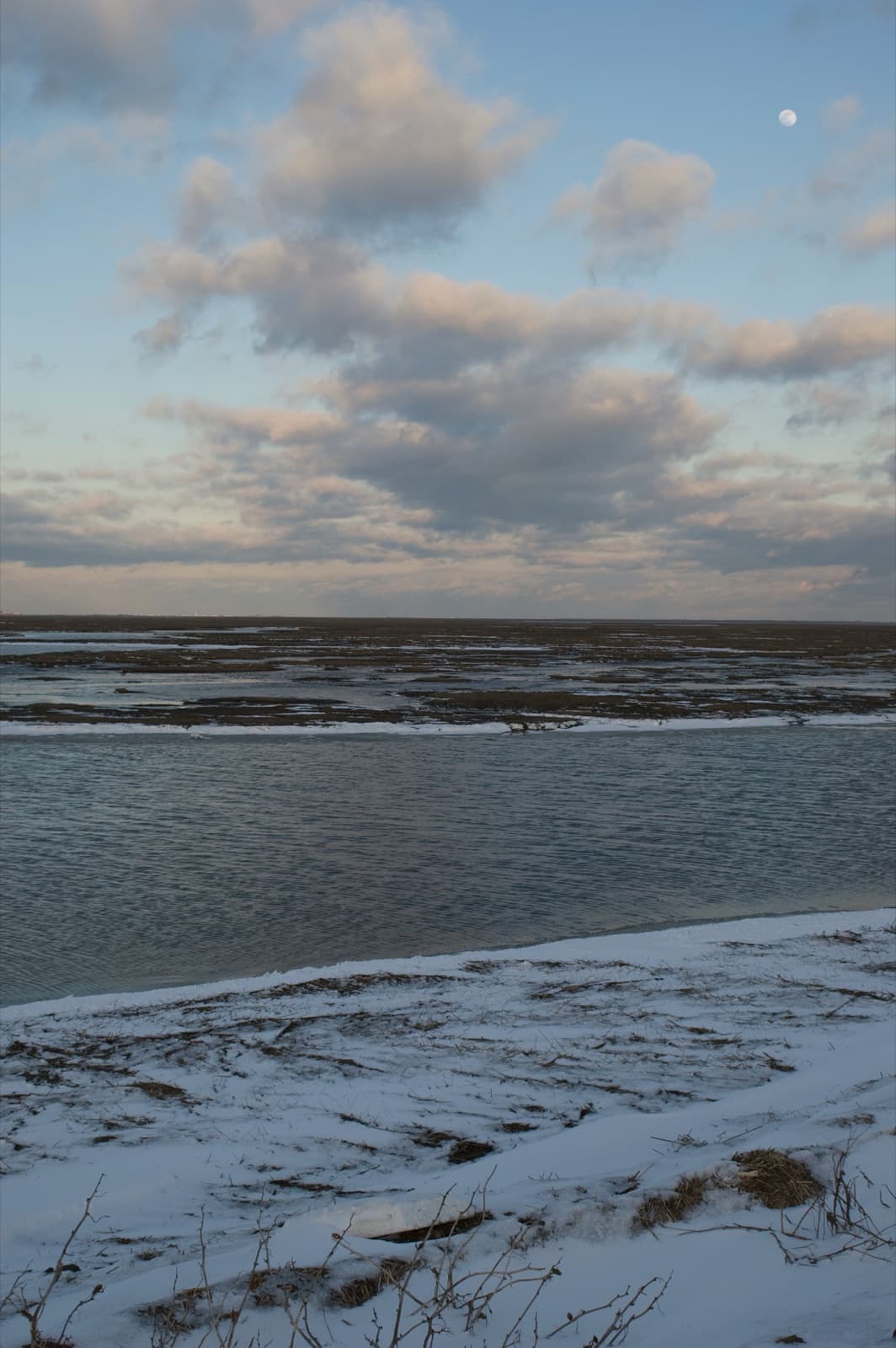
How we know
U.S. Fish and Wildlife Service, Edwin B. Forsythe NWR: Species (Seasons of Wildlife) (opens in a new tab) (Sep 28) · U.S. Fish and Wildlife Service, Edwin B. Forsythe NWR: Visit Us (opens in a new tab) (Sep 28) · U.S. Fish and Wildlife Service, Edwin B. Forsythe NWR: Trails (opens in a new tab) (Sep 28) · National Weather Service forecast and alerts (opens in a new tab) (Sep 28)
Questions people ask
When is the best time to see winter wildlife at Edwin B. Forsythe National Wildlife Refuge?
From December through February, hundreds and often thousands of American black ducks winter at the refuge, and they show in large numbers from the Wildlife Drive, per the Fish and Wildlife Service: Dec 1–Feb 28. That's general timing for this place, not a peak date or a forecast.
Is it wildlife season at Edwin B. Forsythe National Wildlife Refuge right now?
Not now: the winter wildlife season is over for this year. The next one starts in about 64 days (Dec 1–Feb 28, local timing).
How much does it cost?
The Wildlife Drive costs $4 per car or motorcycle for the day, and $2 on foot or by bike. Passes are sold at the Visitor Information Center (cash or check only; it's open Wednesday to Sunday, 10 am to 2 pm), and most can also be bought online.Source: U.S. Fish and Wildlife Service, Edwin B. Forsythe NWR: Visit Us ↗ (opens in a new tab)
What are the hours?
The refuge, its trails and the Wildlife Drive are open every day of the year from sunrise to sunset. The gate at the end of Great Creek Road opens at sunrise and closes at sunset.Source: U.S. Fish and Wildlife Service, Edwin B. Forsythe NWR: Visit Us ↗ (opens in a new tab)
What should I expect in winter?
Snow and icy patches are often on the roads and trails, so drive and walk carefully. Any closures or safety alerts are posted on the refuge's home page, and the Visitor Information Center has the latest on trails, the boardwalk and the drive.Sources: U.S. Fish and Wildlife Service, Edwin B. Forsythe NWR: Species (Seasons of Wildlife) ↗ (opens in a new tab), U.S. Fish and Wildlife Service, Edwin B. Forsythe NWR: Visit Us ↗ (opens in a new tab)
Can I bike the Wildlife Drive?
Yes. Bikes are allowed on the Wildlife Drive (and the Cedar Bonnet Island Trail), but not on the hiking trails.Source: U.S. Fish and Wildlife Service, Edwin B. Forsythe NWR: Visit Us ↗ (opens in a new tab)
Are there restrooms?
Yes, accessible restrooms at the headquarters area in Oceanville, where the Wildlife Drive begins; pets are allowed on some trails.Source: U.S. Fish and Wildlife Service, Edwin B. Forsythe NWR: Trails ↗ (opens in a new tab)
Where are the best spots in Edwin B. Forsythe National Wildlife Refuge?
Wildlife Drive: an 8-mile self-guided drive through salt marsh, freshwater habitat and upland forest, with observation towers at Gull Pond and Turtle Cove; open year-round, sunrise to sunset, $4 per car; Leeds Eco-Trail and Boardwalk: open year-round at the headquarters: a 400-foot boardwalk over the tidal salt marsh plus a quarter-mile (one way) path through maritime forest; wheelchair friendly.
Are there closures or permits to know about in Edwin B. Forsythe National Wildlife Refuge?
Holgate Wilderness Area (Long Beach Island unit) closed for nesting birds (Apr–Aug).
What is Edwin B. Forsythe National Wildlife Refuge like through the year?
American black ducks winter here in the hundreds, often thousands (Dec–Feb), Atlantic brant winter here in the hundreds, often thousands (Dec–Feb), Diving waterfowl active in the back bays (Dec–Feb), Ducks and geese start heading south to spend the winter here (Sep–Nov), Ospreys return from the south (Mar–May) and Holgate Wilderness Area (Long Beach Island unit) closed for nesting birds (Apr–Aug).