Rydell Refugewinter wildlife
At Rydell National Wildlife Refuge, the timing for winter wildlife comes in 2 separate phases, each its own display, neither a peak: Fall migration of waterfowl and songbirds, September and October; and Resident winter wildlife, From December to February. No official report yet this season.
- September–OctoberFall migration of waterfowl and songbirdsSeptember and October
- December–FebruaryResident winter wildlifeFrom December to February
Your guide to the area
Where to watch
- Rice Lake TrailHalf a paved mile, linked to the Round Lake and Golden Pond trails, beside a wetland that fills with wild rice in late summer and with waterfowl in fall migration
- Golden Pond TrailA 1.5-mile paved and boardwalk loop from the visitor contact station past forest, prairie, a wetland and Swan Lake; walking and biking spring to fall, snowshoeing and cross-country skiing in winter
Nearby
- Rice Lake Refuge153 mi2 separate phases, from September and October are the best months for fall migratory birds
- Sherburne Refuge188 mi3 separate phases, from September and October are the best months for fall migratory birdsSatChance Rain Showers
- Litchfield Wetland District194 mi2 separate phases, from fall (July-November)
- Minnesota Valley Refuge238 miDecember - MarchSatMostly Sunny
- Necedah Refuge378 mi2 separate phases, from September through November; the last few cranes, ducks and swans depart by mid-NovemberSatMostly Sunny
- DeSoto Refuge423 miearly December, and again in late February and early MarchSatSunny
The year at Rydell Refuge
- Spring migration in full swing, up to 100 species a dayApr–May
- Wildlife families: broods on the wetlands, fawns in the prairieJun–Jul
- Fall migration: thousands of waterfowl on the refuge's wetlands and lakesNowSep–Oct
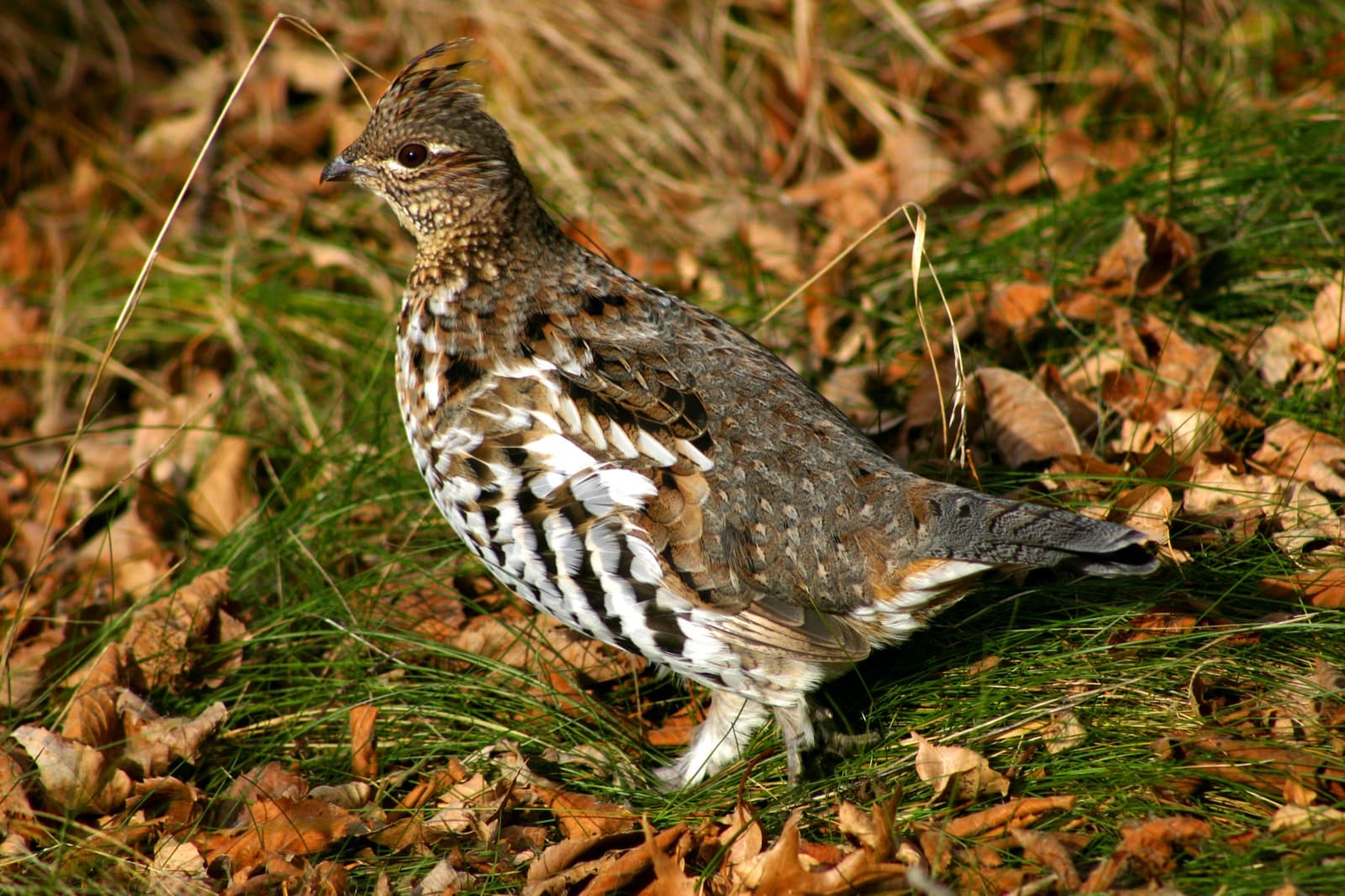
- Resident wildlife (deer, red fox, ruffed grouse, nuthatches, woodpeckers), December to FebruaryDec–Feb
Rydell Refuge in pictures
Questions people ask
When is the best time to see winter wildlife at Rydell National Wildlife Refuge?
In 2 separate phases, each at its own spot: Fall migration of waterfowl and songbirds, September and October and Resident winter wildlife, From December to February. They're separate displays, not one long season, and neither is a peak.
Is it wildlife season at Rydell National Wildlife Refuge right now?
There's no official report yet this season.
Can I ski or snowshoe?
Yes: all five trails are open for snowshoeing and cross-country skiing in winter.Source: U.S. Fish and Wildlife Service, Rydell NWR: Visit Us ↗ (opens in a new tab)
Where can I watch wildlife in winter?
Many of the resident species can be seen from the visitor center and the trails, and observation blinds and gazebos along the trails help for watching and photographing.Sources: U.S. Fish and Wildlife Service, Rydell NWR: Species ↗ (opens in a new tab), U.S. Fish and Wildlife Service, Rydell NWR: Visit Us ↗ (opens in a new tab)
Do the trails close for hunting?
They're open every day from half an hour before sunrise to sunset, except during scheduled deer hunts.Source: U.S. Fish and Wildlife Service, Rydell NWR: Visit Us ↗ (opens in a new tab)
What are the year-round animals doing in fall?
Black bears, ruffed grouse and white-tailed deer feed heavily to store fat for the winter.Source: U.S. Fish and Wildlife Service, Rydell NWR: Species ↗ (opens in a new tab)
Where are the best spots in Rydell National Wildlife Refuge?
Rice Lake Trail: half a paved mile, linked to the Round Lake and Golden Pond trails, beside a wetland that fills with wild rice in late summer and with waterfowl in fall migration; Golden Pond Trail: a 1.5-mile paved and boardwalk loop from the visitor contact station past forest, prairie, a wetland and Swan Lake; walking and biking spring to fall, snowshoeing and cross-country skiing in winter.
What is Rydell National Wildlife Refuge like through the year?
Resident wildlife (deer, red fox, ruffed grouse, nuthatches, woodpeckers), December to February (Dec–Feb), Spring migration in full swing, up to 100 species a day (Apr–May), Wildlife families: broods on the wetlands, fawns in the prairie (Jun–Jul) and Fall migration: thousands of waterfowl on the refuge's wetlands and lakes (Sep–Oct).