Dungeness Refugewinter wildlife
Wildlife refugeSea ducks and other waterfowl feed and shelter from storms in Dungeness Bay in winter, and brant winter here, per the Fish and Wildlife Service (a season, not a peak). Its usual window for this year has passed.
Updated
Sources for this timing ↓About Dungeness Refuge
- What it is
- A wildlife refuge in Washington
- A little history
- It was set up by executive order on January 20, 1915, as the Dungeness Spit Reservation.
- What you'll see
- Brant and winter sea ducks · in winter
- Before you go
- What are the hours? Open daily from sunrise to half an hour before sunset; closing times are posted at the trailhead.Can I bring my dog or bike? No: pets, bicycles, kites, ball games, camping and fires aren't allowed, to keep the birds undisturbed; some areas close seasonally.
Your guide to the area
Places on this map, as a list
Where to watch
Main Trail and upper viewing platform
Best spot
The 0.63-mile Main Trail from the kiosk plaza by the parking lot (fee required), with a viewing platform on the way to the spit
Dungeness Spit
Best spot
Five miles out to the New Dungeness Lighthouse, 11 miles round trip from the parking lot; eelgrass beds draw brant
Worth the drive
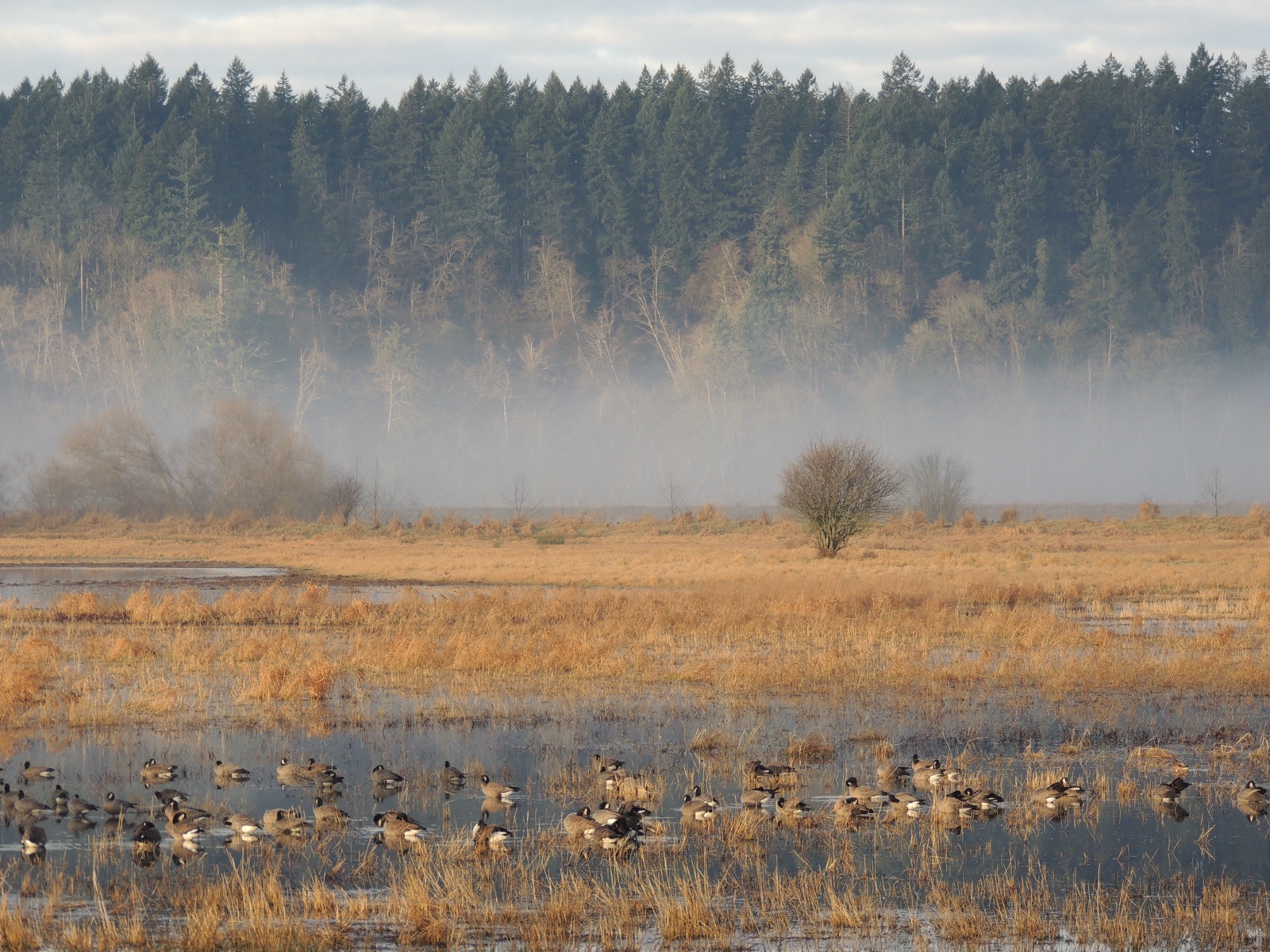
Geese and ducks in WashingtonWildlife refuge
77 mi · Sat: Patchy Fog then Partly Sunny
Season: December and JanuaryU.S. Fish and Wildlife Service ↗
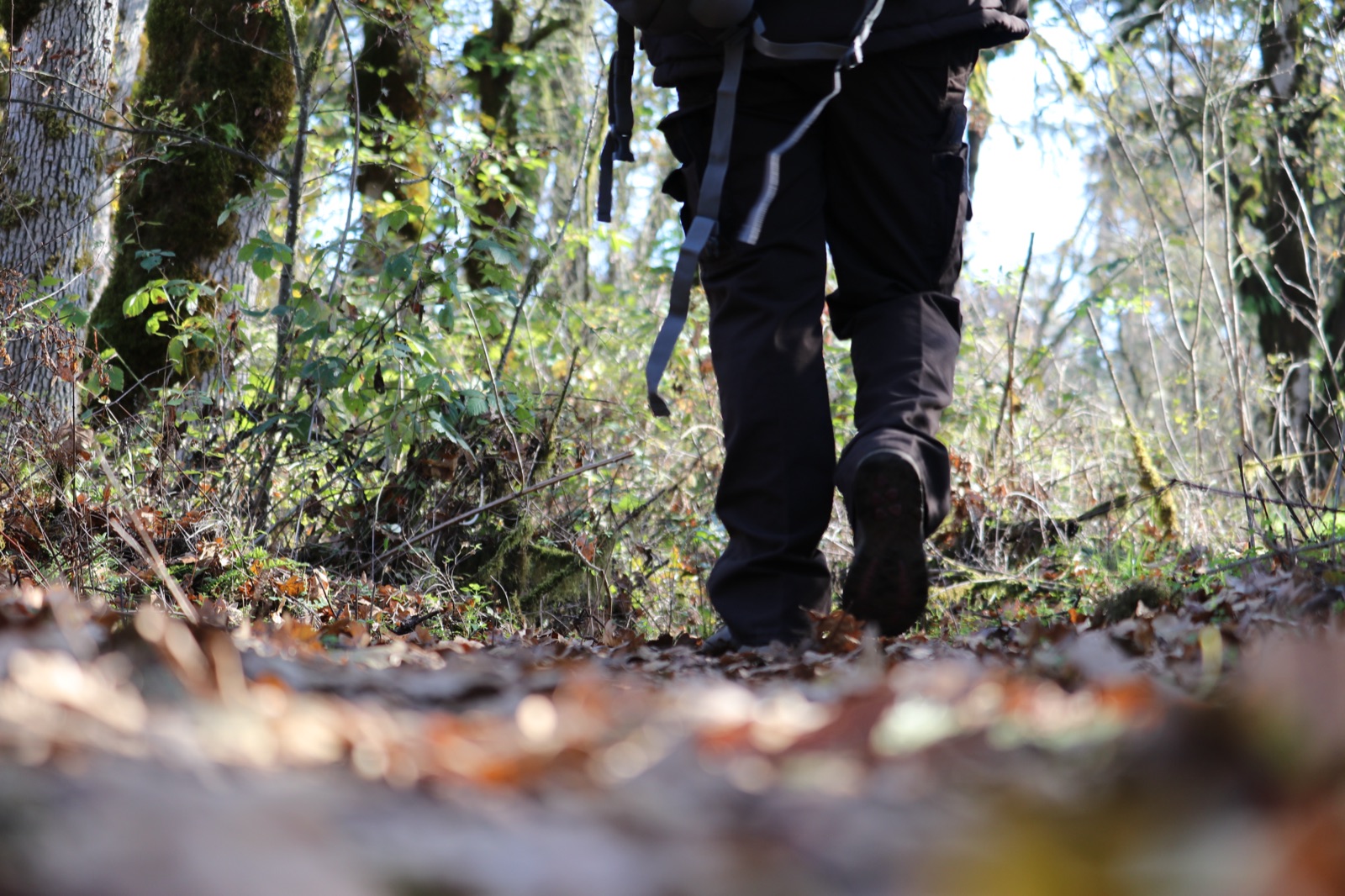
Ducks, geese and cranes in WashingtonWildlife refuge
161 mi · Sat: Sunny
Season: September through DecemberU.S. Fish and Wildlife Service ↗
Midwinter waterfowl in OregonWildlife refuge
191 mi
Season: Mid-winterU.S. Fish and Wildlife Service ↗
Wintering white-cheeked geese in OregonWildlife refuge
209 mi
Best viewing: Late October to early AprilU.S. Fish and Wildlife Service ↗
Winter waterfowl in OregonWildlife refuge
221 mi
Season: In the winterU.S. Fish and Wildlife Service ↗
Winter waterfowl in OregonWildlife refuge
231 mi
Season: During the winterU.S. Fish and Wildlife Service ↗
The year at Dungeness Refuge
- Shorebirds on the shores and mudflatsspring and fall migrations
- Nesting songbirds; harbor seals hauling out with their pupssummer
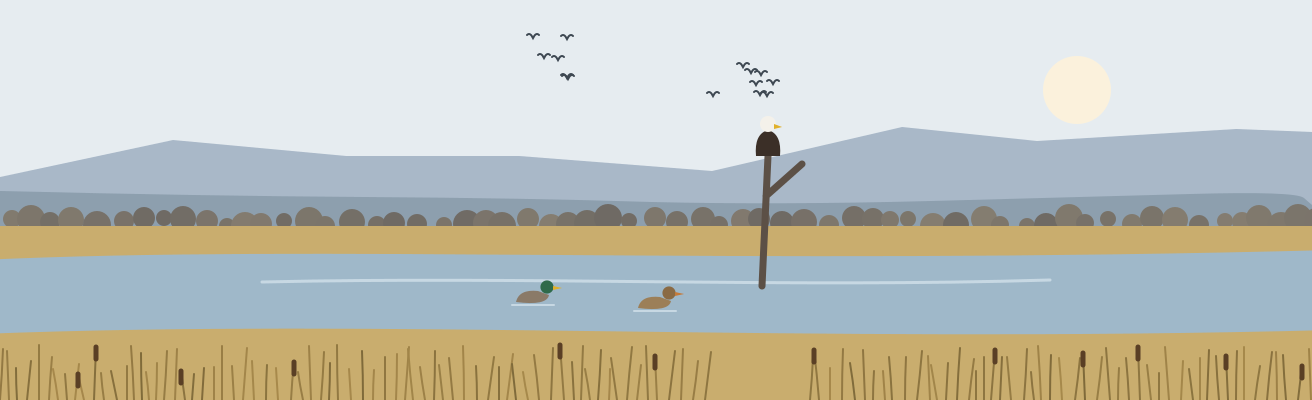
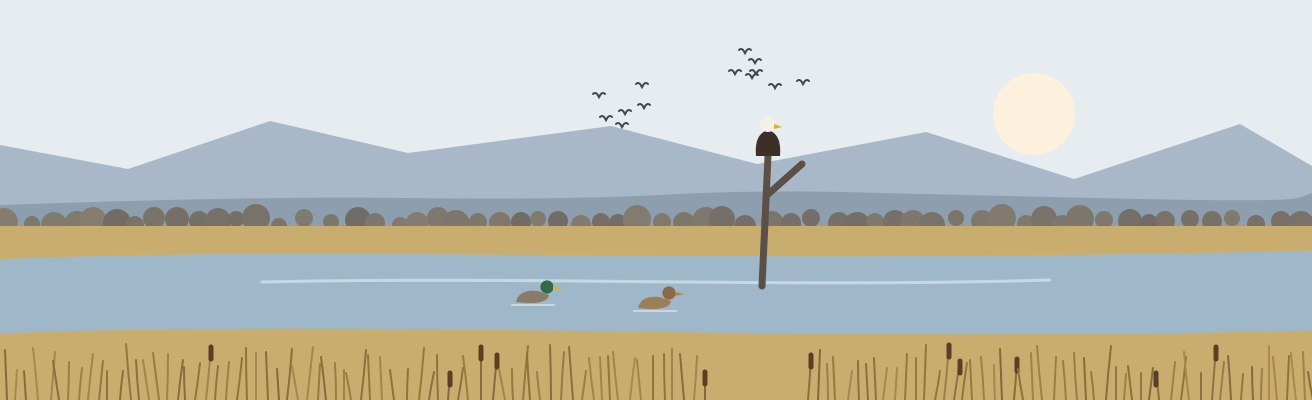
- Sea ducks and wintering brant in Dungeness Baywinter
Questions people ask
When is the best time to see wildlife at Dungeness National Wildlife Refuge?
Sea ducks and other waterfowl feed and shelter from storms in Dungeness Bay in winter, and brant winter here, per the Fish and Wildlife Service (a season, not a peak): in winter. That's general timing for this place, not a peak date or a forecast.
Is it wildlife season at Dungeness National Wildlife Refuge right now?
Not now: its usual winter wildlife window for this year has passed. Next time: in winter, local timing.
What is Dungeness best known for?
Its brant, though it supports many other ducks and geese; in winter sea ducks feed and shelter from storms in the bay.Source: U.S. Fish and Wildlife Service, Dungeness National Wildlife Refuge ↗ (opens in a new tab)
What are the hours?
Open daily from sunrise to half an hour before sunset; closing times are posted at the trailhead.Source: U.S. Fish and Wildlife Service, Dungeness National Wildlife Refuge ↗ (opens in a new tab)
Can I bring my dog or bike?
No: pets, bicycles, kites, ball games, camping and fires aren't allowed, to keep the birds undisturbed; some areas close seasonally.Source: U.S. Fish and Wildlife Service, Dungeness National Wildlife Refuge ↗ (opens in a new tab)
How do I get there?
Navigate to 600 Voice of America Road, Sequim; the refuge's mailing address won't get you there.Source: U.S. Fish and Wildlife Service, Dungeness National Wildlife Refuge ↗ (opens in a new tab)
How old is the refuge?
It was set up by executive order on January 20, 1915, as the Dungeness Spit Reservation.Source: U.S. Fish and Wildlife Service, Dungeness National Wildlife Refuge ↗ (opens in a new tab)
Where are the best spots in Dungeness National Wildlife Refuge?
Main Trail and upper viewing platform: the 0.63-mile Main Trail from the kiosk plaza by the parking lot (fee required), with a viewing platform on the way to the spit; Dungeness Spit: five miles out to the New Dungeness Lighthouse, 11 miles round trip from the parking lot; eelgrass beds draw brant.
What is Dungeness National Wildlife Refuge like through the year?
Sea ducks and wintering brant in Dungeness Bay (Dec–Feb), Shorebirds on the shores and mudflats (Mar–May) and Nesting songbirds; harbor seals hauling out with their pups (Jun–Aug).
How we know · Sources (6)
How we know
U.S. Fish and Wildlife Service, Dungeness National Wildlife Refuge (opens in a new tab) (Oct 2) · U.S. Fish and Wildlife Service, Dungeness National Wildlife Refuge (opens in a new tab) (Oct 2) · U.S. Fish and Wildlife Service, Dungeness National Wildlife Refuge (opens in a new tab) (Oct 2) · U.S. Fish and Wildlife Service, Upper platform (opens in a new tab) (Oct 2) · U.S. Fish and Wildlife Service, Dungeness Spit Trailhead (opens in a new tab) (Oct 2) · U.S. Fish and Wildlife Service, Dungeness National Wildlife Refuge (opens in a new tab) (Sep 30)