Illustration
Illustration
Washington
When to catch Nisqually Refugeat its best
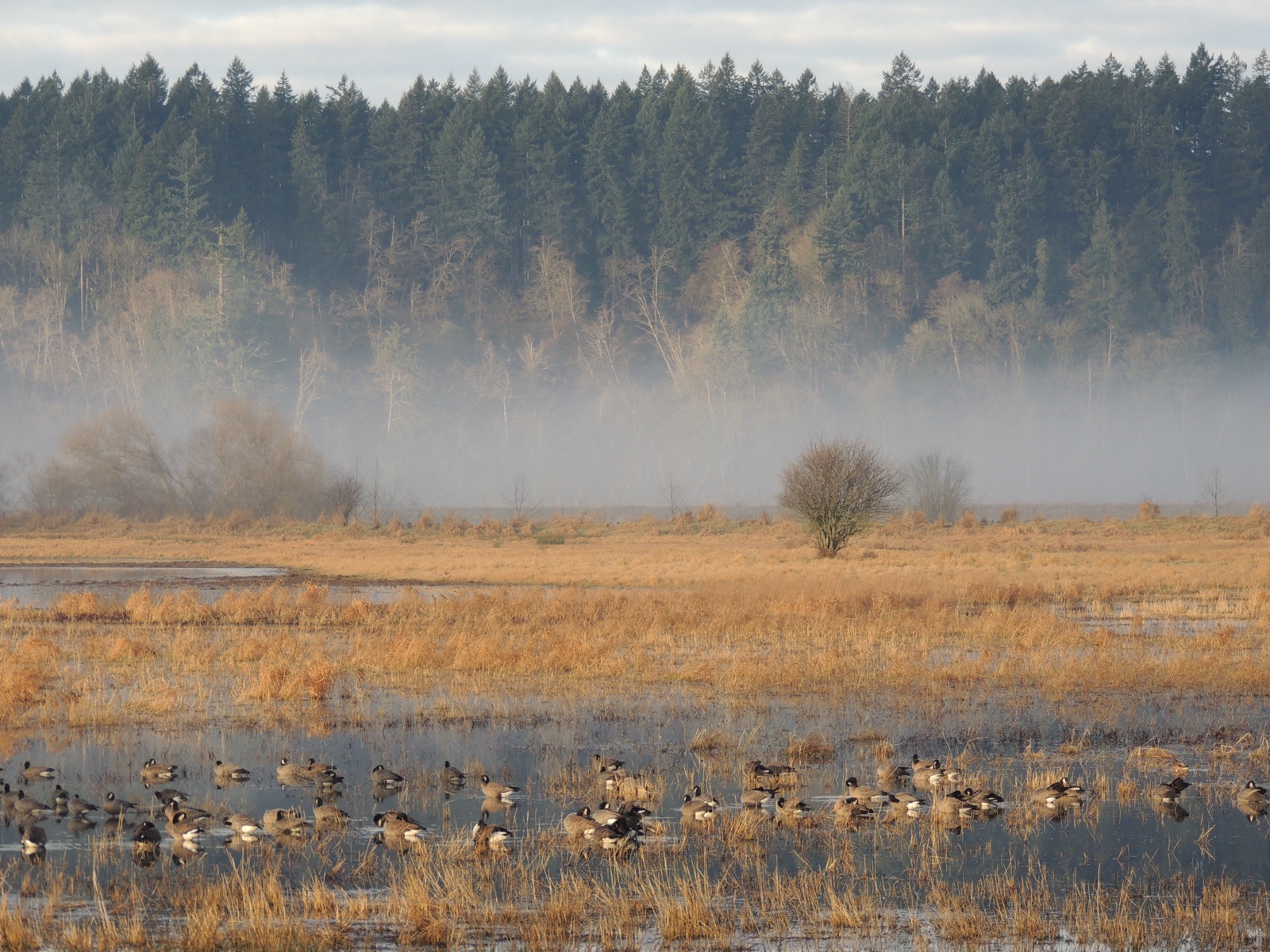
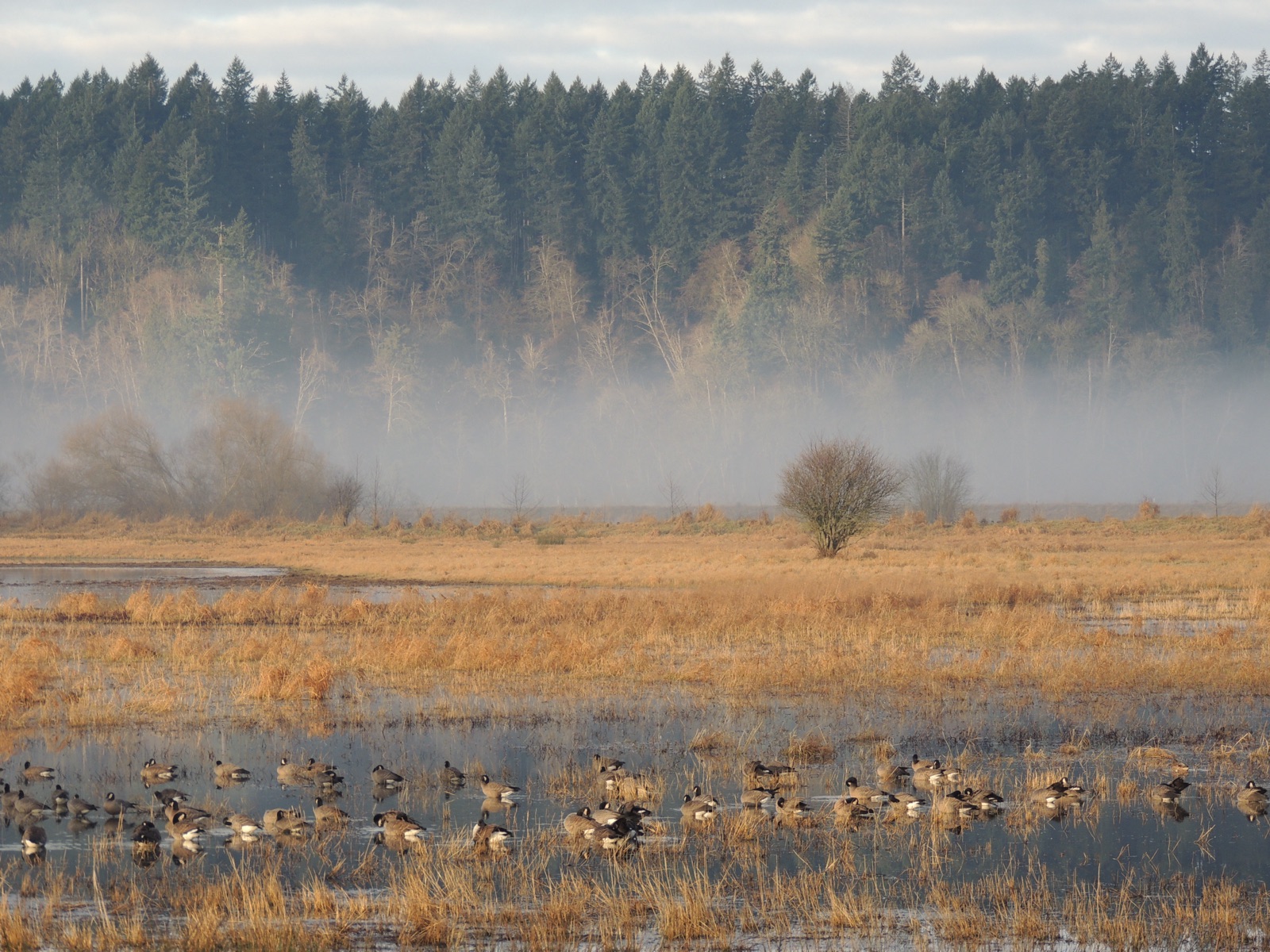
Nisqually Refuge through the year: sandpipers and dunlin (local timing: Late April and early May) and geese and ducks (local timing: December and January). Each has its own page with spots, sources and the latest reports.
Updated
About Nisqually Refuge
- What it is
- A wildlife refuge in Washington
- A little history
- In 1974, approved by the Migratory Bird Conservation Commission. It protects the Nisqually River Delta for migratory birds, salmon and resident wildlife.On December 18, 2015, it was renamed to honor Billy Frank, Jr., a Nisqually Tribal leader (Public Law 114-101).
- What you'll see
- Sandpipers and dunlin · late April and early MayGeese and ducks · December and January
- Before you go
- Can I bring my dog? No. Pets are not allowed anywhere on the refuge, from the entrance road and parking areas on, and can't be left in vehicles.Can I play bird calls to bring birds closer? No. Calling in birds with recordings or a phone isn't allowed on national wildlife refuges, and federal rules prohibit disturbing wildlife.What should I bring? Raingear and water, depending on the season and the forecast; most visitors spend about two hours on the trails. Watch for stinging nettle, which grows beside the trails and can hang over the rails.
Sources (4)
- U.S. Fish and Wildlife Service, Billy Frank Jr. Nisqually National Wildlife Refuge ↗
- U.S. Fish and Wildlife Service, Billy Frank Jr. Nisqually NWR: Rules and Policies ↗
- U.S. Fish and Wildlife Service, Billy Frank Jr. Nisqually NWR: Trails ↗
- U.S. Fish and Wildlife Service, Billy Frank Jr. Nisqually NWR: Species ↗
RIGHT NOW · OCT 2
- Latest reportNo dated report this season; the posters below show each usual window.
- This weekend (NWS)Sat patchy fog then partly sunny, 70°F · Sun mostly sunny, 73°F
- Park alertsCheck the managing agency before you go
When are you going?
Fall at Nisqually Refuge
Nearby in fall

Winter at Nisqually Refuge
Spring at Nisqually Refuge
Summer at Nisqually Refuge
Good in summer
- Chinook salmon moving up the Nisqually River to spawn, June to September
From each place's own sources; no peak claimed.
Nearby in summer
Where to go at Nisqually Refuge
Spots, visitor points and places nearby
- Spring
- Summer
- Fall
- Winter
Visitor points on this map: Environmental Education Center (0.1 mi) · Freshwater Wetlands Overlook (0.2 mi) · Nisqually River Overlook (0.4 mi)
Places on this map, as a list
Best spots
Where each event's source says to go
Nisqually Estuary Boardwalk
Best spot
A 1.05-mile elevated boardwalk over salt marsh, mudflats and a tidal river, with covered shelters and viewing scopes at both ends; what you see depends on the tide, it can be windy and exposed, and the walk to its far end is about 4 miles round trip
Good for: Sandpipers and dunlin · Geese and ducksU.S. Fish and Wildlife Service ↗
Nisqually Estuary Trail
Best spot
A 0.59-mile packed-gravel levee between the estuary and the freshwater wetlands, linking the Twin Barns Loop to the boardwalk, with wide-open views; no shade and no benches, and the nearest restrooms are the portables at the Twin Barns
Good for: Sandpipers and dunlinU.S. Fish and Wildlife Service ↗
Road to Twin Barns Trail
Best spot
0.67 mi of packed gravel to the Twin Barns, with freshwater wetland on the west side for winter waterfowl; no benches
Good for: Geese and ducksU.S. Fish and Wildlife Service ↗
Next 7 days at Nisqually Refuge
Forecast: National Weather Service
- TodayPartly Sunny71° / 51°3% rain
- SatPatchy Fog then Partly Sunny70° / 50°–
- SunMostly Sunny73° / 51°–
- MonPartly Sunny69° / 51°3% rain
- TuePartly Sunny67° / 48°1% rain
- WedMostly Sunny68° / 47°1% rain
- ThuMostly Sunny69° / –3% rain
Today: sunrise 7:12 a.m., sunset 6:50 p.m., light until 7:20 p.m. · moon last quarter, 54% lit (our calculation)
Nearby, and when they peak
Straight-line miles; roads are longer
Worth the drive · more than 60 miles
Illustration
Wintering white-cheeked geese in OregonNestucca Bay Refuge
Wildlife refuge
Best viewing
Late October to early April
Illustration
Illustration
- Ducks, geese and cranes in Washington
Ridgefield Refuge
Wildlife refuge
Season
September through December
Illustration
Illustration
Illustration
Illustration
Illustration
Also nearby: Willapa National Wildlife Refuge 78 mi · San Juan Island National Historical Park 97 mi
Towns nearby
Straight-line miles; each town page has frost dates and its nature year
Illustration
Illustration
Illustration
Illustration
Illustration
Illustration


Frost dates: NOAA 1991–2020 normals at each town's nearest station. Snow possible: our calculation from NOAA normals. Photos show the nearest place we follow, named on the photo.
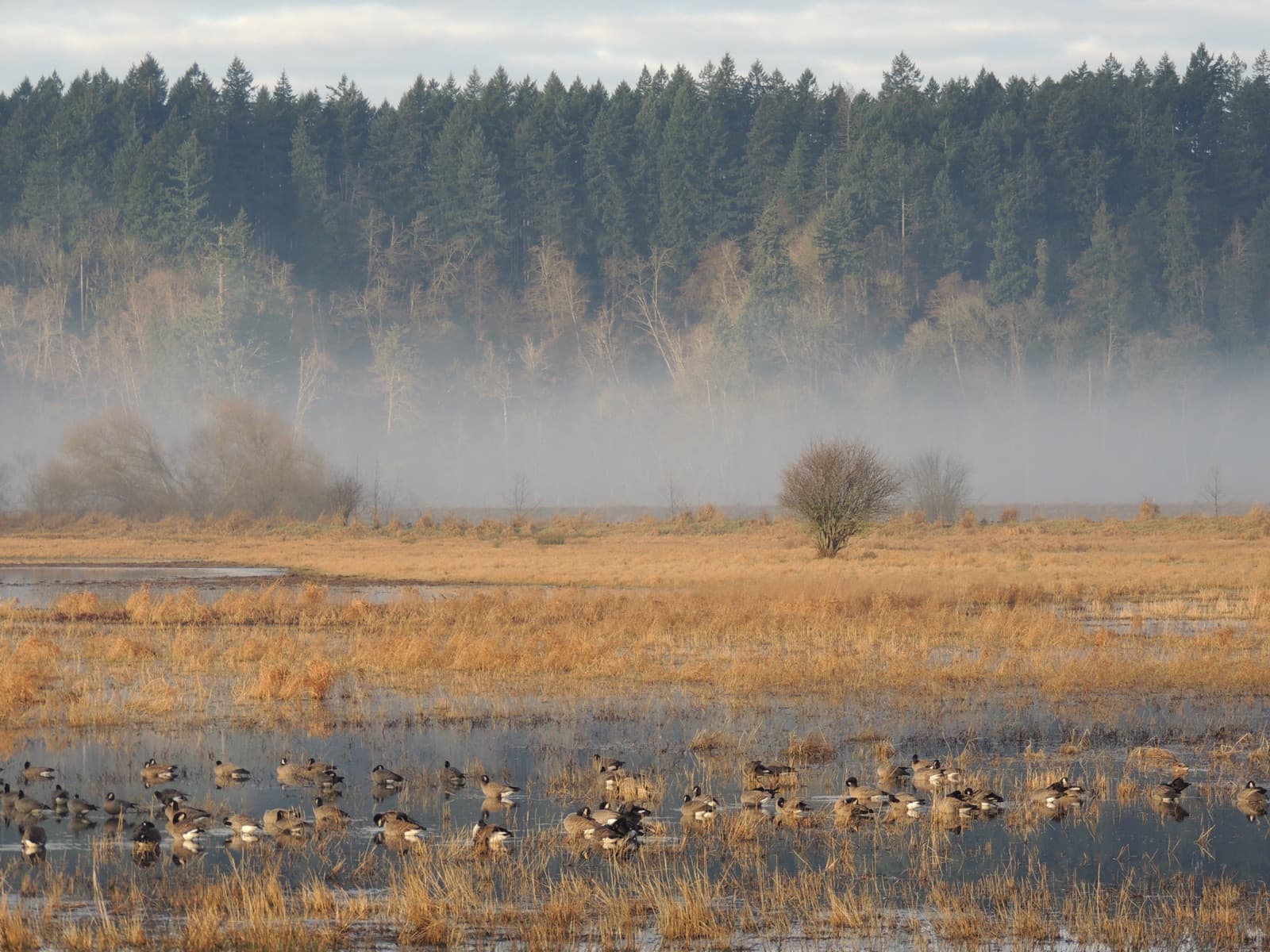
Nisqually Refuge in pictures
Illustrative photos, not current conditions
Questions people ask
Does the tide matter for shorebirds?
Yes. Tides of 10 feet or less expose lots of mud, which is good for herons, shorebirds and dabbling ducks; at 10-11 feet the water covers most of the mudflats around the Estuary Boardwalk. Check the tide before you go.Source: U.S. Fish and Wildlife Service, Billy Frank Jr. Nisqually NWR: Visit Us ↗ (opens in a new tab)
Can I bring my dog?
No. Pets are not allowed anywhere on the refuge, including the entrance road and parking areas, and can't be left in vehicles. Trained service animals are welcome on a leash.Source: U.S. Fish and Wildlife Service, Billy Frank Jr. Nisqually NWR: Rules and Policies ↗ (opens in a new tab)
Can I run or bike the trails?
No, the trails are for walking only. Cyclists can arrive by road and use the bike rack across from the Norm Dicks Visitor Center.Source: U.S. Fish and Wildlife Service, Billy Frank Jr. Nisqually NWR: Rules and Policies ↗ (opens in a new tab)
What else arrives in spring besides the shorebirds?
Spring migrants start arriving in March, and the last week of March may be the best time to see and hear them. Rufous hummingbirds come back too, feeding on the early flowers of salmonberry and Indian-plum.Source: U.S. Fish and Wildlife Service, Billy Frank Jr. Nisqually NWR: Species ↗ (opens in a new tab)
How we know
Every timing above, from these pages; checked Sep 28
- Sep 28Park ServiceSeasons of wildlife month by month: winter waterfowl, February sea ducks, spring shorebirds, salmonSource (opens U.S. Fish and Wildlife Service, Billy Frank Jr. Nisqually NWR: Species in a new tab)