Leaves. Opposite, compound leaves, usually with 5 to 9 firm leaflets 2 to 4 inches long. Flowers come before the leaves; each seed has a single wing.
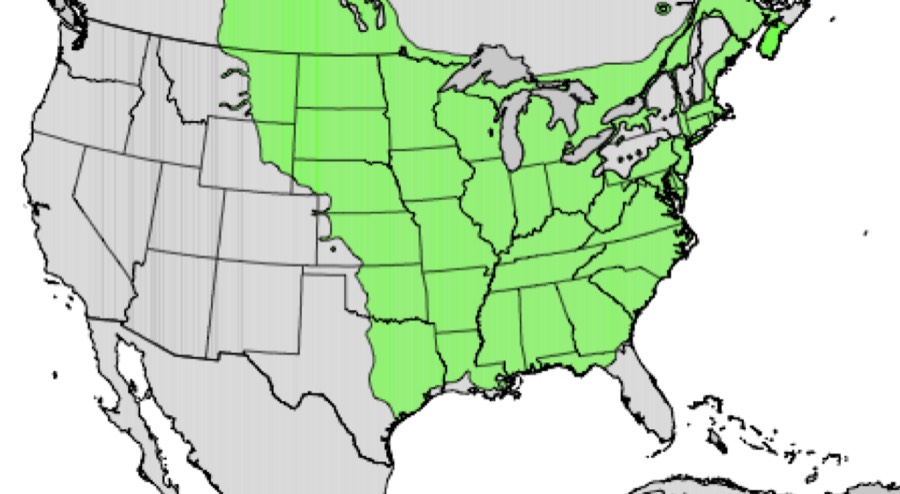
Where it grows. Widespread in the United States and Canada, from Nova Scotia west to southeastern Alberta and south to Texas and Florida.
Size. Up to 100 feet in the South, typically about half that in the North; the national champion, in Cass County, Michigan, measured 95 feet when last checked in 1995. Old-growth trees of 200 to 250 years stand in Mississippi's Green Ash Research Natural Area. The emerald ash borer, an introduced insect, mainly attacks green ash.
In the Upper Midwest. Coloring from about Sep 22–28; most color Oct 6–12 (59% of observations half or more colored).
Watched most in Minnesota and Wisconsin
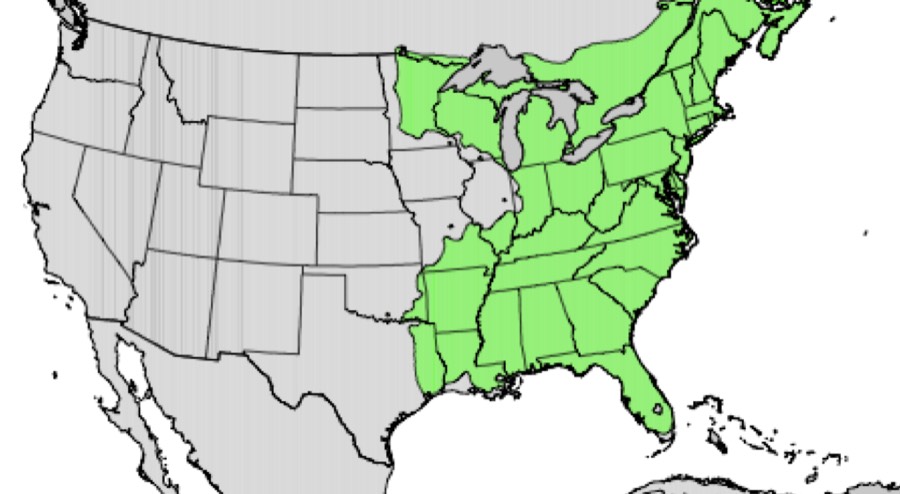
Where it grows. One of the most widely distributed trees in eastern North America: from Newfoundland and Nova Scotia west to Minnesota, and south to Texas and southern Florida.
Size. Usually 30 to 90 feet tall, with a trunk up to 4 feet across. Outlives most of the quick trees that move into open, disturbed ground, but usually drops out as a forest grows old. It can bear seed as young as 4.
In the Upper Midwest. Coloring from about Sep 29–Oct 5; most color Sep 29–Oct 5 (43% of observations half or more colored).
Watched most in Minnesota, Wisconsin and Michigan
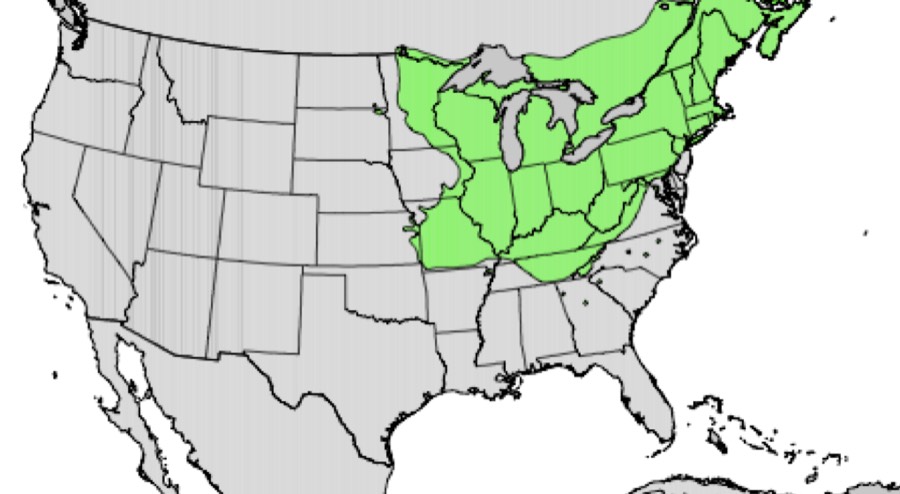
Where it grows. From Nova Scotia and New Brunswick west to Manitoba, south to northeastern Texas and Georgia, and up the Appalachians into New England.
Size. Usually 90 to 120 feet tall with a trunk 30 to 36 inches across; the biggest pass 130 feet and 5 feet across. Long-lived: trees can reach 300 to 400 years.
In the Upper Midwest. Coloring from about Sep 29–Oct 5; most color Oct 6–12 (51% of observations half or more colored).
Watched most in Wisconsin and Minnesota
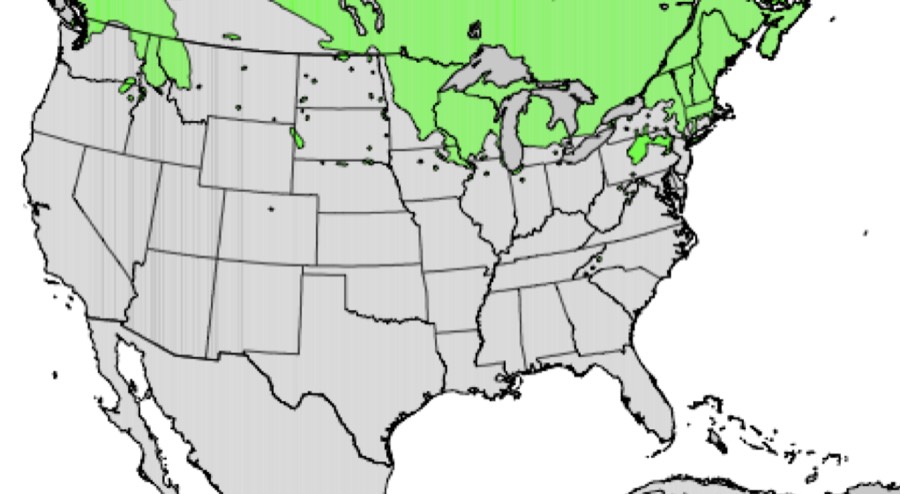
Where it grows. Right across northern North America, from Newfoundland and Labrador to Alaska, south through the Lake States to New England, with outlying stands in the Appalachians as far as western North Carolina.
Size. Mature trees are usually 70 to 80 feet tall with trunks 10 to 12 inches across, now and then up to 30 inches. In Alaska they are smaller, commonly 20 to 60 feet. Short-lived: it stops growing taller at about 60 to 70 years, and few trees live past 140.
In the Upper Midwest. Coloring from about Sep 29–Oct 5; most color Oct 13–19 (66% of observations half or more colored). This fall, Sep 15–21: 4%, against a typical 2%.
Watched most in Minnesota, Wisconsin and Michigan
Leaves. Simple, smooth-edged, opposite leaves, mostly oval, 2 to 6 inches long. The berry-like fruits are white to blue.
Where it grows. Most common in the north, from Alaska and northern Canada south to Virginia, southern California and Mexico; in the south, mostly along streams and other moist places.
Size. A many-stemmed shrub 3 to 20 feet tall and often as wide, forming clumps and thickets from rooting stems.
In the Upper Midwest. Coloring from about Sep 29–Oct 5; most color Oct 20–26 (59% of observations half or more colored).
Watched most in Minnesota
Leaves. Alternate, double-toothed leaves, 2 to 5 inches long.
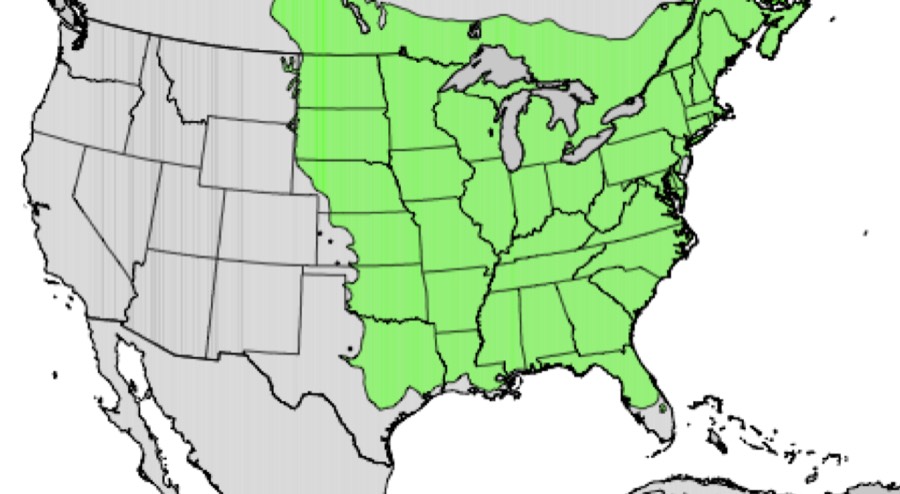
Where it grows. Throughout eastern North America, from southern Newfoundland west into Saskatchewan and south to central Texas and Florida.
Size. In dense forest it can pass 100 feet with a trunk 4 to 5 feet across; 80 feet is common on average sites, 40 to 60 feet on very wet or dry soil. Trees in the open fork 10 to 20 feet up into a wide, arching crown. Fast-growing and long-lived: 175 to 200 years, some to 300.
In the Upper Midwest. Coloring from about Oct 6–12; most color Oct 20–26 (42% of observations half or more colored). This fall, Sep 15–21: 4%, against a typical 15%.
Watched most in Minnesota and Wisconsin
Leaves. Large, up to 12 inches long, and usually deeply lobed; shiny deep green above and white-hairy beneath.
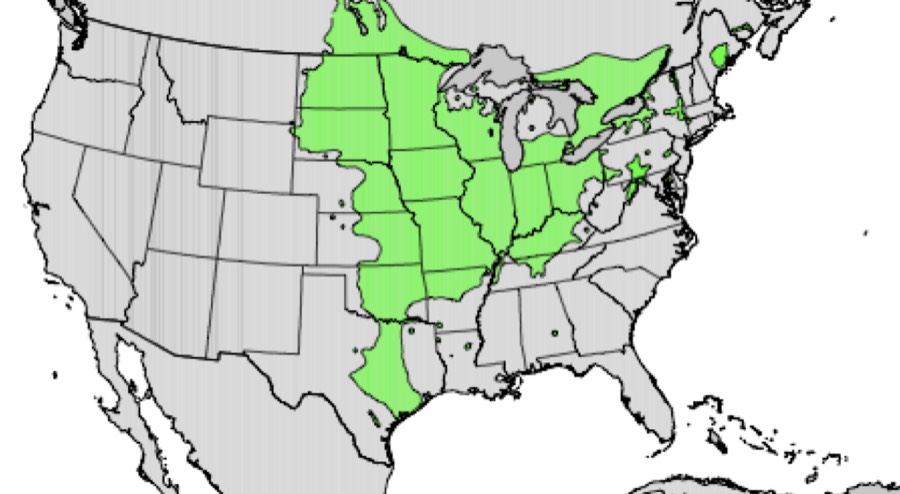
Where it grows. The most widely distributed North American oak, and the one that grows farthest north.
Size. Typically a large, spreading tree up to 130 feet tall, with trunks up to 8.5 feet across; on dry uplands and bluffs it can be a shrub under 16 feet. Long-lived: remnant trees of 300 to 400 years are common, and one in a Kentucky savanna was put at about 440.
In the Upper Midwest. Coloring from about Oct 6–12; most color Oct 27–Nov 2 (63% of observations half or more colored).
Watched most in Minnesota and Wisconsin
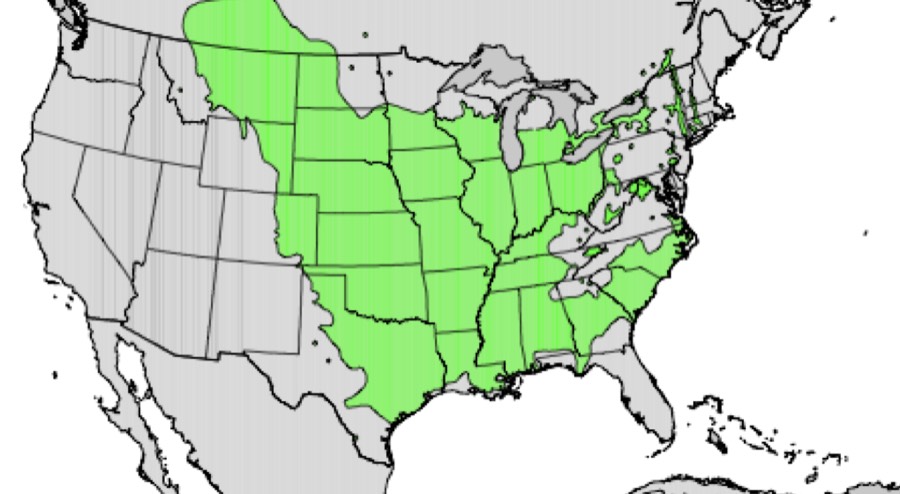
Where it grows. From Alberta east to Quebec, and south to Florida, Texas, Arizona and northern Mexico.
Size. 36 to 190 feet tall, with a trunk from under a foot to more than 6 feet across; tall and straight in stands, wide-crowned in the open. About 100 to 200 years. The western plains cottonwood, the fastest-growing tree of the Great Plains, lives about 90.
In the Upper Midwest. Coloring from about Oct 13–19; most color Oct 27–Nov 2 (51% of observations half or more colored).
Watched most in Minnesota and Wisconsin
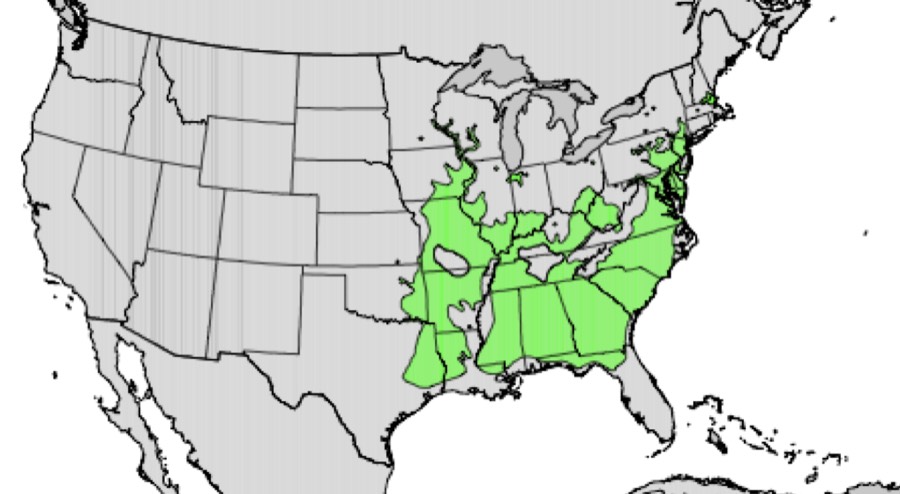
Where it grows. Across the southeastern United States on river-bottom soils, from southern New York west to Wisconsin and south to eastern Texas and northern Florida, but not in the Appalachian mountains.
Size. Usually 50 to 80 feet tall with a trunk 24 to 36 inches across; single trees have reached 100 feet. In Wisconsin it is usually a small tree with several stems. Fairly short-lived.
In the Upper Midwest. Coloring from about Oct 13–19; most color Oct 27–Nov 2 (71% of observations half or more colored). This fall, Sep 15–21: 5%, against a typical 0%.
Watched most in Minnesota and Wisconsin
Leaves. Leaves like a chestnut's: shallowly lobed, with toothed edges.
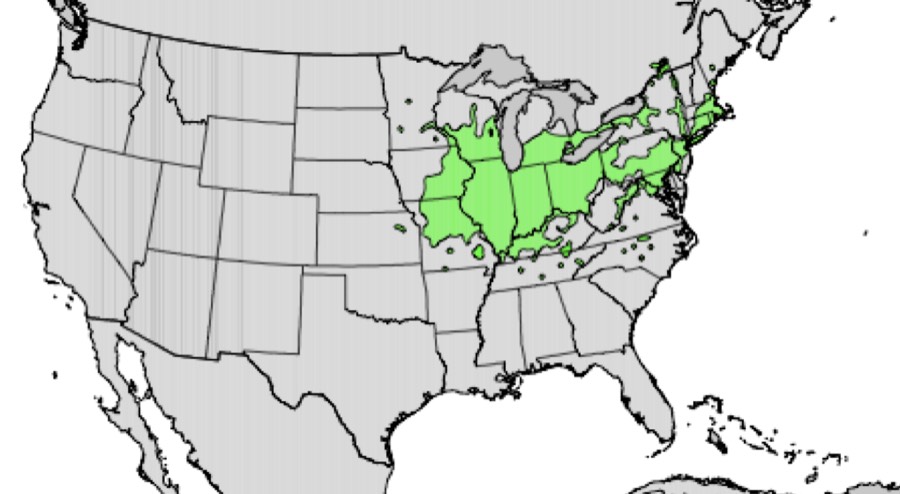
Where it grows. Mainly the Midwest, from Iowa, southern Wisconsin, Michigan and Ohio south to northern Kentucky, with isolated stands in New England.
Size. 50 to 70 feet tall with a trunk 2 to 3 feet across, a limby trunk and an open, irregular crown.
In the Upper Midwest. Coloring from about Oct 20–26; most color Nov 3–9 (62% of observations half or more colored). This fall, Sep 15–21: 0%, against a typical 2%.
Watched most in Minnesota and Wisconsin
Leaf drawings are ours, simplified. Colors, leaves, ranges and sizes from the Forest Service pages above, in our own words; range maps from Little's Atlas of United States Trees (Forest Service FEIS). Where a source says nothing, the card shows only our observations.